How Poor Sleep Affects Heart Health: Hidden Risks You Shouldn’t Ignore

Sleep is not just rest—it’s a vital process that supports your body’s recovery, especially your heart. Poor sleep habits are increasingly linked to serious cardiovascular issues, making it essential to understand how sleep impacts heart health and what risks you may be overlooking.

 Why Sleep is Essential for Heart Health

During sleep, your body regulates blood pressure, heart rate, and stress hormones. Consistent sleep deprivation disrupts these processes, increasing strain on the heart and blood vessels. Over time, this can lead to long-term damage and reduced cardiovascular efficiency.

 Hidden Risks of Poor Sleep

1. Increased Risk of Hypertension

Lack of quality sleep can lead to high blood pressure, as the body fails to relax and reset overnight. Persistent elevation increases the risk of heart attack and stroke.

2. Higher Chances of Heart Disease

People with irregular sleep patterns are more prone to developing cardiovascular disease, including coronary artery problems and heart failure.

3. Impact on Blood Sugar Levels

Poor sleep affects insulin sensitivity, increasing the risk of diabetes and heart health complications, which directly burden the cardiovascular system.

4. Weight Gain and Obesity

Sleep loss alters hunger hormones, leading to overeating and obesity risk factors, which significantly contribute to heart-related conditions.

5. Increased Stress and Inflammation

Insufficient rest raises cortisol levels and promotes chronic inflammation, both of which damage blood vessels and increase cardiac risk.

The Connection Between Sleep Disorders and the Heart

Conditions like insomnia and sleep apnea are strongly linked with sleep disorders and heart health. Sleep apnea, in particular, causes repeated interruptions in breathing, lowering oxygen levels and putting immense strain on the heart.

 Signs Your Sleep is Affecting Your Heart

  • Constant fatigue or daytime drowsiness

  • Irregular heartbeat or palpitations

  • Morning headaches

  • Difficulty concentrating

  • Increased blood pressure levels

Tips to Improve Sleep for Better Heart Health

  • Maintain a consistent sleep schedule

  • Avoid caffeine before bedtime

  • Create a calm sleeping environment

  • Limit screen time at night

  • Practice relaxation techniques like meditation

 When to Seek Medical Help

If you experience persistent sleep issues or symptoms related to heart problems, consult healthcare experts. Early intervention can prevent serious complications. Visit our KHIMS Hospitals for expert guidance and advanced care.

Conclusion

Poor sleep is a silent threat that gradually damages your heart. Ignoring sleep issues can lead to serious long-term health complications. Prioritizing rest is essential for a healthy life.

Improving sleep habits can significantly reduce cardiovascular risks. Simple lifestyle changes can protect your heart and enhance overall well-being.


 Top 10 Lifestyle Changes to Keep Your Heart Healthy After 40

As you cross 40, your heart needs extra care due to natural metabolic and hormonal changes. Adopting the right daily habits can significantly reduce the risk of cardiovascular disease and improve longevity. Below are the most effective lifestyle changes recommended by experts for maintaining long-term cardiac wellness.

1. Follow a Heart-Friendly Diet

A balanced plate rich in fruits, vegetables, whole grains, lean proteins, and healthy fats supports heart health. Reducing sodium, processed foods, and refined sugar helps control blood pressure and cholesterol levels naturally.

2. Stay Physically Active Every Day

Regular exercise improves circulation, strengthens the heart muscle, and maintains healthy body weight. Brisk walking, cycling, swimming, or yoga for at least 30 minutes daily is ideal after midlife.

3. Manage Stress Effectively

Chronic stress raises cortisol levels, increasing heart strain. Practicing meditation, deep breathing, or mindfulness reduces emotional pressure and supports cardiovascular balance.

4. Prioritize Quality Sleep

Poor sleep affects blood sugar regulation and increases inflammation. Aim for 7–8 hours of uninterrupted rest to help the heart recover and function efficiently.

5. Maintain a Healthy Body Weight

Excess weight places additional pressure on the heart. Gradual weight management through diet and activity lowers the risk of hypertension and metabolic disorders.

6. Quit Smoking and Limit Alcohol

Smoking damages blood vessels, while excessive alcohol raises triglycerides. Eliminating tobacco and moderating alcohol intake significantly lowers heart attack risk.

7. Monitor Blood Pressure Regularly

High blood pressure often shows no symptoms but causes silent heart damage. Routine monitoring ensures early detection and timely lifestyle correction.

8. Control Blood Sugar Levels

Uncontrolled glucose damages arteries and accelerates heart disease. Balanced meals and regular checkups help prevent diabetes-related complications.

9. Schedule Preventive Health Checkups

Routine screenings help identify risk factors early. Timely medical guidance can prevent serious cardiac events and promote preventive cardiology.

10. Stay Socially and Mentally Active

Strong social connections and mental engagement reduce depression and improve overall heart resilience as you age.

Conclusion

Making small but consistent lifestyle adjustments after 40 can greatly improve heart strength and overall vitality. Prevention is always more effective than treatment when it comes to cardiac care.

Regular monitoring, healthy habits, and timely medical support together form the foundation of a strong heart. Visit our KHIMS Hospitals for expert cardiac guidance and preventive care.

గుండె ఆరోగ్యాన్ని కాపాడుకోవడానికి రోజువారీ అలవాట్లు

మన గుండె మన జీవితానికి ఇంజిన్ లాంటిది. గుండె ఆరోగ్యంగా ఉంటేనే మనం చురుకుగా, ఉత్సాహంగా జీవించగలం. కానీ నేటి జీవనశైలి, ఆహారపు అలవాట్లు, ఒత్తిడి కారణంగా గుండె సంబంధిత సమస్యలు రోజురోజుకీ పెరుగుతున్నాయి. అయితే కొన్ని చిన్న కానీ కీలకమైన రోజువారీ అలవాట్లు పాటిస్తే గుండె ఆరోగ్యాన్ని కాపాడుకోవచ్చు.

1️⃣ ఆరోగ్యకరమైన ఆహారం తీసుకోవాలి

గుండె ఆరోగ్యానికి ఆహారం చాలా ముఖ్యమైన పాత్ర పోషిస్తుంది.

  • పండ్లు, కూరగాయలు, ఆకుకూరలు ఎక్కువగా తినాలి
  • తక్కువ నూనె, తక్కువ ఉప్పు ఉన్న ఆహారాన్ని ఎంచుకోవాలి
  • ఫాస్ట్ ఫుడ్, బేకరీ ఐటమ్స్, ప్యాకెట్ ఫుడ్స్‌ను వీలైనంత తగ్గించాలి
  • చేపలు, గింజలు, వేరుశనగలు వంటి ఒమెగా-3 ఫ్యాటీ యాసిడ్స్ ఉన్న ఆహారం మంచిది

2️⃣ రోజూ కొంత సమయం వ్యాయామానికి కేటాయించాలి

రోజూ కనీసం 30 నిమిషాలు నడక, యోగా లేదా లైట్ ఎక్సర్సైజ్ చేయడం వల్ల గుండె బలంగా ఉంటుంది.

  • రక్త ప్రసరణ మెరుగుపడుతుంది
  • కొలెస్ట్రాల్ నియంత్రణలో ఉంటుంది
  • గుండెపోటు ప్రమాదం తగ్గుతుంది

3️⃣ పొగ త్రాగడం & మద్యం దూరంగా ఉంచాలి

పొగ త్రాగడం గుండెకు అతిపెద్ద శత్రువు.

  • రక్తనాళాల్లో బ్లాకేజెస్ పెరుగుతాయి
  • గుండెపోటు వచ్చే అవకాశం ఎక్కువ అవుతుంది
    మద్యం కూడా పరిమితికి మించి తీసుకుంటే గుండెపై చెడు ప్రభావం చూపుతుంది.

4️⃣ ఒత్తిడిని (స్ట్రెస్) నియంత్రించాలి

ఎక్కువ ఒత్తిడి రక్తపోటును పెంచి గుండెపై భారాన్ని పెడుతుంది.

  • ధ్యానం, ప్రాణాయామం చేయండి
  • సరిపడా విశ్రాంతి తీసుకోండి
  • మీకు ఇష్టమైన పనులకు సమయం కేటాయించండి

5️⃣ సరిపడ నిద్ర అవసరం

రోజుకు 7–8 గంటల నిద్ర గుండె ఆరోగ్యానికి చాలా అవసరం.
తక్కువ నిద్ర వల్ల

  • రక్తపోటు పెరుగుతుంది
  • గుండె జబ్బుల ప్రమాదం అధికమవుతుంది

6️⃣ బరువు & షుగర్ నియంత్రణలో ఉంచాలి

అధిక బరువు, డయాబెటిస్ ఉన్నవారిలో గుండె సమస్యలు ఎక్కువగా కనిపిస్తాయి.

  • BMI ని నియంత్రించాలి
  • బ్లడ్ షుగర్, బీపీని క్రమం తప్పకుండా చెక్ చేయించాలి

7️⃣ క్రమం తప్పకుండా గుండె పరీక్షలు చేయించుకోవాలి

లక్షణాలు లేకపోయినా కూడా

  • ECG
  • ECHO
  • లిపిడ్ ప్రొఫైల్ వంటి పరీక్షలు చేయించుకోవడం మంచిది.
    ఇవి గుండె సమస్యలను ముందుగానే గుర్తించడంలో సహాయపడతాయి.

హై బీపీ మీ గుండెపై చూపే ప్రభావం

ఈరోజుల్లో చాలామంది ఎదుర్కొంటున్న ప్రధాన ఆరోగ్య సమస్యల్లో హై బీపీ (High Blood Pressure) ఒకటి. చాలామందికి ఎలాంటి లక్షణాలు లేకుండానే ఇది గుండెను నెమ్మదిగా దెబ్బతీస్తుంది. అందుకే దీనిని “సైలెంట్ కిల్లర్” అని అంటారు.

హై బీపీ అంటే ఏమిటి?

రక్తం ధమనుల్లో సాధారణం కంటే ఎక్కువ ఒత్తిడితో ప్రవహించడాన్ని హై బీపీ అంటారు. ఈ ఒత్తిడి ఎక్కువ కాలం కొనసాగితే, గుండెపై తీవ్రమైన ప్రభావం చూపుతుంది.

హై బీపీ గుండెపై ఎలా ప్రభావం చూపుతుంది?

1. గుండె ఎక్కువగా పని చేయాల్సి వస్తుంది

బీపీ ఎక్కువగా ఉన్నప్పుడు రక్తాన్ని పంపేందుకు గుండె ఎక్కువ శక్తి ఉపయోగించాలి. దీనివల్ల గుండె కండరాలు మందంగా మారుతాయి.

2. గుండె విస్తరించడం (Heart Enlargement)

నిరంతరం అధిక ఒత్తిడితో పని చేయడం వల్ల గుండె పరిమాణం పెరుగుతుంది. దీని వల్ల గుండె సమర్థవంతంగా పని చేయలేకపోతుంది.

3. హార్ట్ అటాక్ ప్రమాదం పెరుగుతుంది

హై బీపీ వల్ల రక్తనాళాల్లో కొవ్వు పేరుకుపోయి బ్లాకేజ్ ఏర్పడుతుంది. ఇది హార్ట్ అటాక్‌కు దారి తీస్తుంది.

4. హార్ట్ ఫెయిల్యూర్‌కు కారణం

గుండె బలహీనపడితే శరీరానికి సరిపడా రక్తాన్ని పంపలేకపోతుంది. దీన్నే హార్ట్ ఫెయిల్యూర్ అంటారు.

5. గుండె రిదమ్ లోపాలు

హై బీపీ వల్ల గుండె కొట్టుకునే రీతిలో మార్పులు వస్తాయి. ఇది మూర్ఛ, అలసట వంటి సమస్యలకు కారణమవుతుంది.

హై బీపీ ఉన్నవారిలో కనిపించే లక్షణాలు

  • తరచూ తలనొప్పి
  • తల తిరగడం
  • ఛాతీలో అసౌకర్యం
  • శ్వాస తీసుకోవడంలో ఇబ్బంది
  • ఎక్కువ అలసట

⚠️ చాలా మందిలో లక్షణాలు లేకపోవచ్చు.

హై బీపీ వల్ల వచ్చే ఇతర ప్రమాదాలు

  • స్ట్రోక్
  • కిడ్నీ సమస్యలు
  • కంటి చూపు తగ్గడం
  • మెదడు నాళాల దెబ్బతినడం

హై బీపీని నియంత్రించుకోవడం ఎలా?

జీవనశైలి మార్పులు

  • ఉప్పు తక్కువగా తీసుకోవాలి
  • రోజూ నడక లేదా వ్యాయామం చేయాలి
  • పొగతాగడం, మద్యం మానాలి
  • ఒత్తిడిని తగ్గించుకోవాలి
  • బరువును నియంత్రించాలి

డాక్టర్‌ను ఎప్పుడు కలవాలి?

  • బీపీ తరచూ ఎక్కువగా ఉంటే
  • ఛాతి నొప్పి లేదా శ్వాస ఇబ్బంది ఉంటే
  • కుటుంబంలో గుండె జబ్బుల చరిత్ర ఉంటే

How Your Digestive System Affects Immunity and Overall Wellness

The human body works as an interconnected system, and gut health plays a crucial role in maintaining overall wellness. Your digestive system does more than process food—it strongly influences immunity, energy levels, and long-term health. Understanding this connection helps in preventing illness and improving quality of life.

The Digestive System: More Than Digestion

The digestive tract breaks down food, absorbs nutrients, and eliminates waste. During this process, it also supports the immune system by acting as a protective barrier against harmful microorganisms. Nearly 70% of immune cells reside in the gut, making digestion central to body defense.

Gut Health and Immunity Connection

A healthy gut contains beneficial bacteria known as gut microbiome, which helps regulate immune responses. These bacteria prevent the growth of pathogens, reduce inflammation, and improve resistance to infections. Poor digestion can weaken immunity and increase disease risk.

Role of Nutrient Absorption

Efficient digestion ensures proper nutrient absorption, supplying vitamins, minerals, and antioxidants required for immune cell production. Deficiencies caused by digestive issues can result in fatigue, frequent infections, and slow recovery.

Digestive Health and Inflammation

An unhealthy gut may lead to chronic inflammation, which negatively impacts overall wellness. Inflammation can contribute to lifestyle disorders, joint pain, and reduced immunity. Balanced digestion helps maintain internal harmony.

How Lifestyle Affects Digestive Wellness

Several daily habits influence digestive performance:

  • Eating a balanced diet rich in fiber

  • Staying hydrated

  • Managing stress levels

  • Getting adequate sleep

  • Limiting processed foods

These practices promote gut balance and immune strength.

Signs Your Digestive System Needs Attention

Watch for symptoms such as bloating, irregular bowel movements, acidity, or frequent illness. These may indicate poor digestive health affecting immunity.

Supporting Digestive Health Naturally

Simple steps to support digestion include consuming probiotics, regular physical activity, and mindful eating. Medical guidance can further improve gut-related conditions and immune resilience.

When to Consult a Specialist

Persistent digestive problems may require professional evaluation. Expert care ensures accurate diagnosis and effective management to restore wellness. Visit our Khims Hospitals Khammam for comprehensive digestive and immune health support.

Conclusion

Your digestive system is a cornerstone of immunity and wellness. Maintaining digestive balance strengthens the body’s natural defenses and improves daily health.

Prioritizing gut health through proper nutrition and lifestyle choices leads to long-term vitality and disease prevention.

పిల్లల్లో కిడ్నీ సమస్యలు: చిన్న సంకేతాలు, పెద్ద ప్రమాదం – తల్లిదండ్రులు తప్పక తెలుసుకోవాలి!

పిల్లలలో కిడ్నీ సమస్యలు సాధారణంగా కనిపించకపోయినా, ఒకసారి ప్రారంభమైన తర్వాత వేగంగా పెరుగుతాయి. చిన్న లక్షణాలే పెద్ద సమస్యలకు సంకేతాలు కావచ్చు. అందుకే తల్లిదండ్రులు ఈ విషయాలను తెలుసుకొని ముందే అప్రమత్తంగా ఉండటం చాలా అవసరం.

పిల్లల్లో కిడ్నీ సమస్యలకు ప్రధాన కారణాలు

1. ఇన్ఫెక్షన్లు (UTI – మూత్ర మార్గ ఇన్ఫెక్షన్)

పిల్లల్లో చాలా సాధారణంగా కనిపించే సమస్య. ముఖ్యంగా అమ్మాయిల్లో ఎక్కువగా ఉంటుంది.
• తరచూ మూత్రం పోవడం
• మూత్రం వేయేటప్పుడు నొప్పి

2. పుట్టుకతో వచ్చే కిడ్నీ మార్పులు (Congenital Defects)

కొంతమంది పిల్లల్లో కిడ్నీలు సరిగా అభివృద్ధి చెందకపోవచ్చు.
• Hydronephrosis
• Reflux సమస్యలు

3. నీళ్లు తక్కువగా తాగడం

డీహైడ్రేషన్ వల్ల కిడ్నీలు సరిగా పనిచేయవు. వేసవికాలంలో ఇది ఎక్కువగా కనిపిస్తుంది.

4. అధిక ఉప్పు లేదా జంక్ ఫుడ్

ప్యాకేజ్డ్ ఫుడ్స్, చిప్స్, సాఫ్ట్‌డ్రింక్స్ — ఇవన్నీ కిడ్నీపై ఒత్తిడి పెంచుతాయి.

5. తరచూ జ్వరాలు & ఇమ్మ్యూన్ సమస్యలు

కొన్ని ఇమ్మ్యూన్ సంబంధిత వ్యాధులు కిడ్నీపై ప్రభావం చూపుతాయి.
• Nephrotic syndrome
• Glomerulonephritis

పిల్లల్లో కనిపించే ముఖ్య లక్షణాలు (Warning Signs)

✔ కాళ్లు, ముఖం లేదా కళ్ల చుట్టూ వాపు
✔ మూత్రం రంగు గాఢంగా రావడం
✔ మూత్రంలో రక్తపు చారలు
✔ తరచూ జ్వరాలు
✔ ఆకలి తగ్గడం
✔ బరువు పెరగకపోవడం
✔ మూత్రం చెడు వాసనతో రావడం
✔ కడుపు నొప్పి, వాంతులు

ఈ లక్షణాలు చిన్న సమస్య అనిపించినా, ఇవి కిడ్నీ సమస్యలకు స్పష్టమైన హెచ్చరికలు కావచ్చు.

తల్లిదండ్రులు తప్పక పాటించాల్సిన జాగ్రత్తలు

1. పిల్లలకు తగినంత నీరు ఇవ్వండి

రోజుకి కనీసం 5–6 గ్లాసుల నీరు తాగాలి (వయసు ఆధారంగా).

2. హైజీన్‌ను కచ్చితంగా పాటించండి

బాత్రూమ్ హైజీన్, సరిగ్గా శుభ్రం చేసుకోవడం UTI ని తగ్గిస్తుంది.

3. జంక్ ఫుడ్ తగ్గించండి

ఉప్పు, చక్కెర, సోడాలు తగ్గిస్తే కిడ్నీలు ఆరోగ్యంగా ఉంటాయి.

4. బాలుని మూత్రపు అలవాట్లను గమనించండి

మూత్రం ఎక్కువగా వెళ్లడం / లేకపోవడం రెండు కూడా సమస్యలకు సంకేతం.

5. పిల్లలకు అన్ని పరీక్షలు చేయించండి (Check-ups)

పార్వాడికల్ కిడ్నీ స్క్రీనింగ్, మూత్ర పరీక్ష, రక్తపరీక్ష అవసరమయ్యే సందర్భాలు ఉంటాయి.

చికిత్స ఎప్పుడు అవసరం?

• లక్షణాలు 2–3 రోజులకు పైగా కొనసాగితే
• వాపు వేగంగా పెరిగితే
• మూత్రంలో రక్తం గమనిస్తే
• పదేపదే UTI వస్తే

వెంటనే నెఫ్రాలజిస్ట్‌ను సంప్రదించడం చాలా ముఖ్యం.

పిల్లల కిడ్నీలను కాపాడటం – తల్లిదండ్రుల చేతుల్లోనే!

చిన్న జాగ్రత్తలు పిల్లల భవిష్యత్తు ఆరోగ్యాన్ని రక్షిస్తాయి. సమయానికి పరీక్షలు, సరైన చికిత్స, మంచి అలవాట్లు — ఇవన్నీ కిడ్నీ ఆరోగ్యానికి రక్షణగోడలా పనిచేస్తాయి.

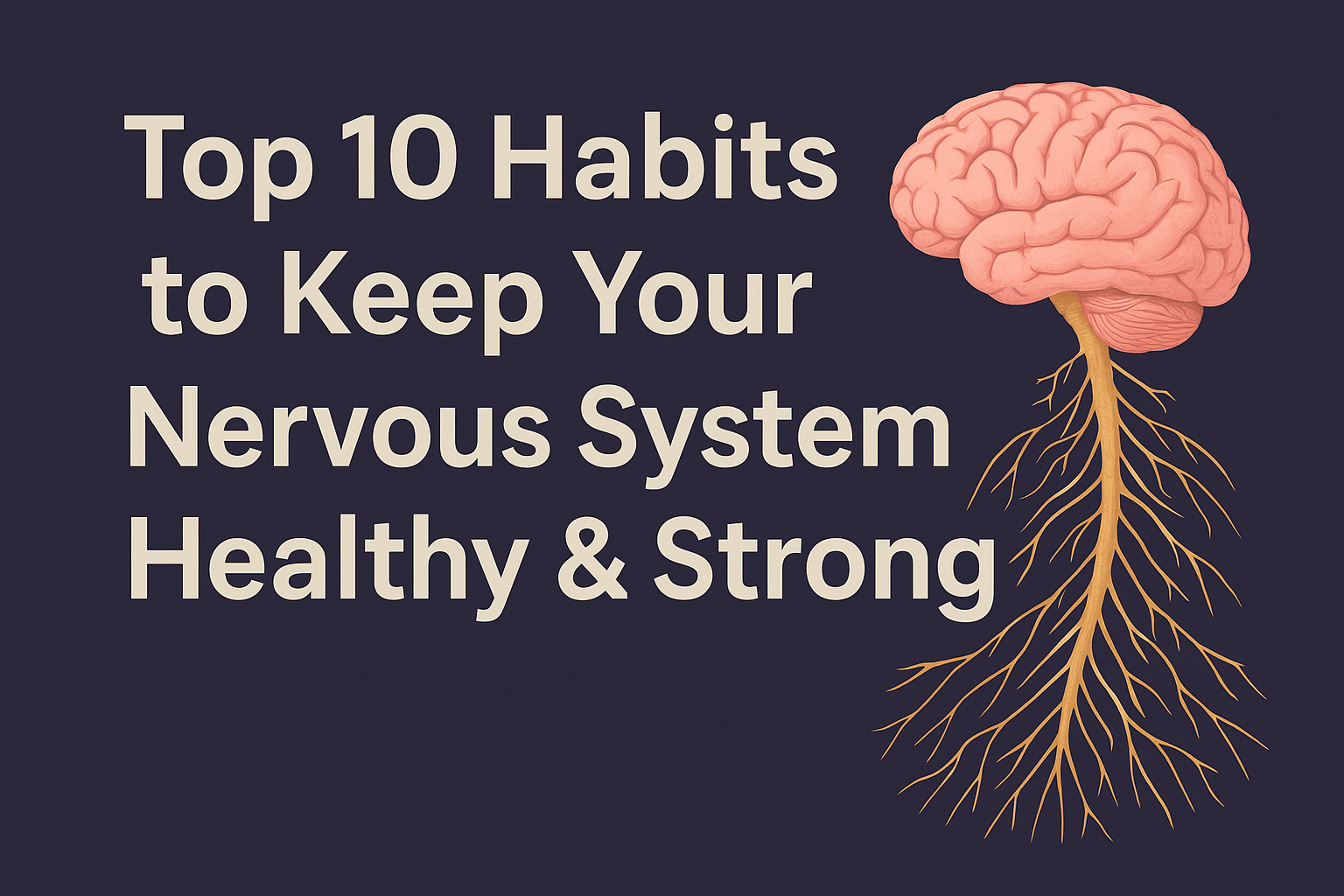
Top 10 Habits to Keep Your Nervous System Healthy & Strong

Your nervous system controls everything your body does—from breathing and digestion to memory, mood, and movement. Keeping it healthy ensures sharper thinking, faster reactions, balanced emotions, and long-term brain protection. Many people focus only on physical fitness, but neglecting your nerve health can lead to fatigue, stress, poor concentration, and chronic disorders. By following daily habits that nourish the brain, spinal cord, and peripheral nerves, you can build a stronger foundation for lifelong wellbeing.

1. Prioritize Quality Sleep

High-quality sleep restores nerve tissues and balances brain chemicals.

Tips for better sleep:

  • Maintain a consistent bedtime
  • Avoid screens 1 hour before sleep
  • Keep your room cool and dark
  • Use relaxation breathing

Even small improvements in sleep habits can dramatically enhance nerve repair and cognitive clarity.

2. Stay Hydrated for Smooth Nerve Signaling

Water supports electrical conduction along nerve pathways. Dehydration slows reflexes and affects mood stability.

Try drinking:

  • Morning warm water
  • Herbal infusions
  • Coconut water
  • Fresh fruit-based hydration

Consistent hydration also helps remove toxins that burden nerve cells.

3. Eat a Nerve-Friendly Diet

Your nervous system relies on nutrients to build and protect neurons.

Add these foods daily:

  • Almonds
  • Avocado
  • Seeds
  • Lean protein
  • Bright-colored vegetables

Nutrient-rich meals improve memory retention, coordination, and long-term neurological resilience.

4. Practice Daily Movement

Physical activity increases oxygen supply to the brain and activates nerve regeneration.

Best movements for nerve health:

  1. Yoga to reduce stress
  2. Cycling for endurance
  3. Pilates for spine strength
  4. Swimming for full-body neurological activation

Movement also releases feel-good chemicals that improve mood and mental focus.

5. Manage Stress Effectively

Long-term stress affects nerve insulation and disrupts brain communication.

Effective stress-relief methods include:

  • Guided meditation
  • Slow breathing
  • Coloring therapy
  • Nature walking
  • Journaling

Calming the mind protects nerve pathways from burnout.

6. Protect Your Spine

The spine is the communication channel of the nervous system. Poor posture compresses nerves and leads to pain or numbness.

Spine-friendly habits:

  • Adjust chair height
  • Keep screens at eye level
  • Avoid crossing legs
  • Stretch every 45–60 minutes

A healthy spine ensures faster and clearer nerve signals.

7. Limit Toxins & Stimulants

Alcohol, tobacco, and excessive caffeine interfere with nerve messaging. Reducing stimulants allows your nervous system to function smoothly and recover faster.

8. Strengthen Your Mental Fitness

Mental exercises stimulate neuroplasticity—the brain’s ability to form new connections.

Try:

  • Memory games
  • Problem-solving tasks
  • Reading complex topics
  • Listening to educational audio

Challenging the brain builds sharper thinking and prevents age-related decline.

9. Maintain Healthy Blood Sugar Levels

Unstable blood sugar can damage nerve endings.

Ways to stabilize:

  • Eat every 3–4 hours
  • Choose slow-release carbohydrates
  • Add fiber-rich vegetables
  • Avoid energy drinks

Balanced sugar levels protect your nerves from long-term complications.

10. Prioritize Regular Medical Check-ups

Routine check-ups help detect early signs of neuropathy, vitamin deficiencies, or nerve compression issues. Early treatment prevents progression and protects your overall neurological function.

Conclusion

Healthy nerves create a powerful foundation for energy, clarity, emotional control, and physical balance. By nurturing sleep, diet, posture, and stress levels, you strengthen the entire neurological system day by day.

Small lifestyle habits lead to big improvements. With mindful choices, you can support neuron growth, reduce inflammation, boost concentration, and maintain long-term nervous system vitality.

Visit Our Khims Hospital Khammam for complete neurological evaluation, nerve care treatments, and expert support for long-term wellness.

How to Improve Gut Health Naturally: Diet, Lifestyle & Daily Habits

A healthy digestive system plays a major role in overall wellness, immunity, and daily comfort. Many people struggle with bloating, acidity, constipation, or indigestion, which often connect to poor habits. Improving gut function naturally is possible through mindful food choices and small lifestyle changes.

Understanding Gut Health

Your gut contains millions of beneficial bacteria that help digestion, nutrient absorption, and immune strength. An imbalance in this microbiome may lead to issues like irritable bowel, fatigue, or skin problems. Supporting these good bacteria is essential for long-term wellness.

Diet Tips to Boost Gut Health Naturally

1. Add Fiber-Rich Foods

Fiber improves bowel movement and feeds healthy bacteria. Include whole grains, lentils, fruits, vegetables, and seeds to maintain regularity and reduce inflammation.

2. Eat Probiotic-Rich Foods

Probiotics help restore the microbiome. Add curd, kefir, fermented vegetables, and buttermilk. These foods support easy digestion and reduce acidity.

3. Choose Prebiotic Foods

Prebiotics act as fuel for probiotics. Foods like onions, garlic, bananas, asparagus, and oats help maintain balance and support nutrient absorption.

4. Stay Hydrated

Water helps break down food and allows nutrients to travel smoothly through the gut. Adequate hydration prevents constipation and bloating.

5. Reduce Processed Foods

Packaged snacks, sugary drinks, and fast foods harm gut bacteria and trigger inflammation. Replace them with fresh, home-cooked meals for better digestive comfort.

Lifestyle Habits for Better Digestive Health

1. Eat Slowly & Mindfully

Chewing well improves metabolism and reduces reflux. Mindful eating signals the body to release digestive enzymes effectively.

2. Exercise Regularly

Walking, yoga, stretching, and core exercises stimulate bowel movement and reduce gas or constipation.

3. Manage Stress

Chronic stress affects the gut-brain connection. Deep breathing, meditation, and outdoor activities help calm the digestive system.

4. Maintain Good Sleep

Poor sleep disrupts hormones that control digestion. Aim for consistent sleep to support gut recovery and balance.

5. Limit Unnecessary Antibiotics

Overuse of antibiotics harms beneficial bacteria. Take them only with medical guidance to prevent imbalance.

Conclusion

A balanced diet, mindful eating, and regular activity strengthen digestion and overall health. Natural steps like fiber intake, hydration, and probiotics can transform your gut function gently and effectively.

When symptoms persist or disrupt daily life, consult specialists for expert evaluation and holistic treatment. For complete digestive care, visit our KHIMS Hospitals.

Why Heart Attacks Increase in Winter: Causes and Prevention Tips

Winter brings a noticeable rise in cardiovascular emergencies, especially among people with existing heart conditions. The fall in temperature affects blood vessels, increases strain on the heart, and raises the chances of a sudden cardiac event. Understanding winter-related heart risks can help you stay safe and take preventive steps early.

Why Heart Risks Rise in Cold Weather

The cold environment triggers the body to conserve heat. This causes blood vessels to narrow, forcing the heart to pump harder. For people with high blood pressure, cholesterol issues, or diabetes, this extra workload increases the risk of a heart attack, especially in early mornings when temperature dips are severe.

1. Sudden Drop in Temperature

  • Cold air tightens arteries, reducing blood flow.

  • Restricted circulation increases the chances of clot formation.

  • Morning exposure raises the stress on your heart.

2. Higher Blood Pressure Levels

  • Winter naturally increases blood pressure.

  • Thickened blood moves slowly, making blockages more likely.

  • People with hypertension are at greater risk.

3. Reduced Physical Activity

  • People tend to stay indoors in winter.

  • Low activity leads to weight gain and poor circulation.

  • Lack of exercise weakens the heart muscle.

4. Viral Infections & Flu

  • Winter infections increase inflammation in the body.

  • Inflamed arteries become more vulnerable to blockages.

  • Flu can worsen chest discomfort or trigger cardiac strain.

5. Overeating During Festive Season

  • Winter celebrations often include heavy meals.

  • High-fat foods raise cholesterol levels.

  • Sudden spikes in triglycerides stress the heart.

Prevention Tips for a Healthier Winter Heart

Stay Physically Active

Light walking, stretching, and home workouts maintain heart strength and blood flow during cold months.

Dress in Warm Layers

Cover your head, hands, and feet to reduce heat loss and prevent blood vessels from tightening.

Monitor Blood Pressure & Sugar Levels

Check levels regularly, especially for people with chronic health issues or age-related risks.

Maintain a Balanced Diet

Include fruits, vegetables, nuts, and warm soups. Limit salt, sugar, and fried foods to reduce cardiac stress.

Avoid Sudden Temperature Exposure

Move slowly from warm rooms into cold outdoor temperatures to prevent a sudden rise in heart workload.

Conclusion 

Cold weather increases heart strain, but simple lifestyle steps such as regular exercise, warm clothing, and healthy eating can help protect your heart through winter months.

People with heart disease must be extra careful during chilly mornings. Routine checkups, timely medications, and early symptom awareness can help prevent emergencies and improve heart safety.

If you notice chest pain, breathlessness, or unusual fatigue in winter, seek timely help. For expert care, visit our KHIMS Hospitals.

How Much Exercise Do You Really Need for a Healthy Heart?

A strong cardiovascular system depends on consistent physical activity. Many people wonder how much daily movement supports long-term wellness. Understanding the ideal routine helps improve stamina, maintain energy levels, and reduce the risk of major complications. Even small lifestyle adjustments make a big impact when followed regularly.

Why Your Heart Needs Regular Physical Activity

Daily movement strengthens the circulatory system by improving oxygen flow and lowering strain on vital organs. It supports better endurance, enhances rhythm stability, and helps maintain a healthy weight. These benefits protect against chronic fatigue and sudden issues that develop from a sedentary routine.

Recommended Weekly Activity Levels

Experts suggest a structured schedule that balances intensity and duration. The ideal plan includes moderate workouts spread throughout the week to maintain rhythm and avoid unnecessary stress.

General Guidelines

  • Aim for at least 150 minutes of moderate activity weekly.

  • Include 75 minutes of higher-intensity training for improved stamina.

  • Combine both forms to keep your routine balanced.

  • Spread your sessions over 4–5 days to avoid overexertion.

Types of Movements That Improve Heart Strength

A variety of workouts contribute to better internal function. Mixing different categories keeps the routine effective and enjoyable.

Aerobic Activities

Brisk walking, cycling, swimming, dancing, or jogging help boost circulation and support healthy breathing patterns.

Strength-Building Exercises

Light weightlifting or resistance training improves muscle tone and supports joint stability, helping the body move efficiently.

Flexibility Movements

Stretching and yoga maintain mobility, reduce stiffness, and improve posture, which helps the body perform physical tasks comfortably.

How to Build a Sustainable Routine

Consistency matters more than intensity. Small steps every day lead to long-term health gains.

Tips for Beginners

  • Start with 20–30 minutes per session.

  • Increase pace slowly to avoid injury.

  • Use comfortable footwear and stay hydrated.

  • Track progress to maintain motivation.

Common Mistakes to Avoid

  • Ignoring warm-ups before beginning any workout.

  • Exercising too hard without rest days.

  • Skipping proper form during training.

  • Forgetting to cool down after activity.

When to Seek Professional Guidance

Consult a specialist if you experience dizziness, chest tightness, or unusual discomfort during movement. A personalized plan helps ensure safe, steady progress. Individuals with prior conditions should receive clearance before beginning any training program.

Conclusion

Regular movement protects long-term wellness and supports the circulatory system. Maintaining a consistent routine keeps the body energised and reduces future risks naturally.

Balanced weekly activity builds strength, improves stamina, and supports a healthier lifestyle while preventing avoidable complications over time.