Managing Joint Pain in Women: Hormonal and Lifestyle Factors

Joint pain is a common issue that affects millions of women worldwide, often becoming more noticeable with age or hormonal changes. Whether it’s stiffness in the knees, soreness in the shoulders, or aching hands, many women experience discomfort that interferes with daily life. Understanding the connection between hormones, lifestyle, and joint health is key to managing pain effectively and maintaining long-term mobility.

The Hormonal Connection to Joint Pain

Women’s bodies undergo significant hormonal changes throughout life — during puberty, pregnancy, menstruation, and menopause. These fluctuations can directly impact joint health.

  • Estrogen and Joint Health:
    Estrogen plays a crucial role in reducing inflammation and maintaining joint lubrication. When estrogen levels drop, especially during menopause, many women notice increased stiffness and discomfort in their joints.

  • Menopause and Osteoarthritis:
    The decline in estrogen can also accelerate cartilage wear, increasing the risk of osteoarthritis, particularly in weight-bearing joints like the knees and hips.

  • Pregnancy and Joint Stress:
    During pregnancy, hormonal shifts such as increased relaxin levels loosen ligaments, sometimes causing instability and pain in the pelvic or knee joints.

Lifestyle Factors That Influence Joint Pain

While hormonal changes are inevitable, lifestyle factors often determine how severely joint pain affects you. Small adjustments can make a significant difference in long-term joint comfort and strength.

  1. Physical Inactivity
    Sedentary habits weaken muscles that support the joints, leading to increased strain and stiffness. Regular movement, stretching, and low-impact exercises like swimming, yoga, or brisk walking can help maintain flexibility.

  2. Poor Posture and Ergonomics
    Sitting or standing incorrectly for long periods can misalign joints and cause pain. Using ergonomic chairs, adjusting your workspace, and taking posture breaks are essential for joint health.

  3. Unhealthy Diet
    Diets high in processed foods and sugar can increase inflammation. Instead, focus on foods rich in omega-3 fatty acids, antioxidants, calcium, and vitamin D — such as fish, nuts, leafy greens, and dairy.

  4. Obesity and Joint Pressure
    Excess body weight puts additional stress on joints, especially the knees and hips. Even modest weight loss can reduce pain and improve joint mobility.

  5. Stress and Sleep Deprivation
    Chronic stress and poor sleep can heighten pain sensitivity and inflammation. Mindfulness, relaxation techniques, and good sleep hygiene are important parts of joint pain management.

Practical Tips to Manage Joint Pain

  • Maintain a balanced exercise routine with stretching and strengthening workouts.

  • Incorporate anti-inflammatory foods into your daily meals.

  • Stay hydrated to support cartilage health.

  • Avoid high heels and unsupportive footwear, which can strain lower joints.

  • Consult a doctor or physiotherapist for personalized guidance and treatment options like physiotherapy, medication, or supplements.

Conclusion

Joint pain in women is often influenced by a complex mix of hormonal and lifestyle factors. By understanding these connections and making mindful lifestyle choices, women can take charge of their joint health at every stage of life. With timely medical support and a balanced lifestyle, it’s possible to stay active, flexible, and pain-free for years to come.

Everyday Habits That Can Damage Your Knees Without You Realizing

Everyday Habits That Can Damage Your Knees Without You Realizing

Your knees are among the most hardworking joints in your body. They carry your weight, absorb shock, and allow you to move freely. Yet, many people unknowingly strain their knees through small daily habits. Over time, these habits can lead to pain, stiffness, or even long-term joint problems. Let’s explore some common everyday behaviors that could be harming your knees—without you even realizing it.

1. Sitting for Too Long

Spending hours seated, whether at work or while watching TV, weakens the muscles around your knees. Weak muscles provide less support, increasing the risk of pain and stiffness when you finally get up.

Tip: Take short breaks to stand, stretch, or walk every 30–40 minutes.

2. Carrying Excess Weight

Even a small amount of extra body weight puts additional stress on the knees. For every pound of body weight, your knees absorb nearly four pounds of pressure during movement.

Tip: Maintain a healthy weight through balanced nutrition and regular exercise to ease knee stress.

3. Wearing Unsupportive Footwear

High heels, flip-flops, and worn-out shoes alter your walking pattern, which can misalign your knees and cause joint strain.

Tip: Choose well-cushioned, supportive shoes, especially if you walk or stand for long periods.

4. Ignoring Posture While Standing

Locking your knees or shifting weight to one leg for long periods places uneven pressure on the joints.

Tip: Stand tall, keep knees slightly bent, and distribute weight evenly between both legs.

5. Skipping Warm-Ups and Stretches

Jumping straight into exercise without warming up can shock your joints and increase injury risk. Tight muscles around the knees also limit movement and cause strain.

Tip: Always stretch and warm up before workouts, focusing on hamstrings, calves, and quadriceps.

6. Overdoing High-Impact Activities

Running on hard surfaces or doing repetitive jumping exercises can wear down cartilage over time.

Tip: Mix high-impact workouts with low-impact activities like swimming, cycling, or yoga to give your knees a break.

7. Ignoring Knee Pain

Brushing off early signs of discomfort or pain can allow minor issues to progress into serious conditions like arthritis or ligament injuries.

Tip: Pay attention to your knees. If pain persists, consult a doctor before it worsens.

Conclusion

Healthy knees are essential for mobility and independence, but small habits can silently cause damage. By making simple lifestyle changes—like using supportive footwear, keeping active, and listening to your body—you can protect your knees and keep them strong for years to come.

At KHIMS Hospital, we understand how important healthy knees are for living an active, pain-free life. Everyday habits may seem harmless, but over time, they can quietly damage your joints and limit mobility.

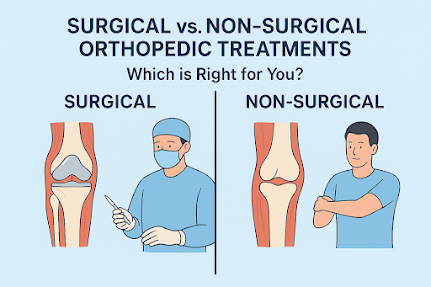
Surgical vs. Non-Surgical Orthopedic Treatments: Which is Right for You?

When it comes to orthopedic care, patients often wonder whether surgical treatments or non-surgical treatments are the best solution. Choosing the right approach depends on the type of injury, severity of symptoms, and overall health. Understanding the difference helps you make informed decisions about recovery and long-term mobility.

What Are Non-Surgical Orthopedic Treatments?

Non-surgical treatments are the first line of care for many conditions. These include physical therapy, medications, bracing, and lifestyle modifications. For example, joint pain, ligament strain, or mild arthritis often respond well to these methods. Orthopedic doctors recommend these approaches to reduce inflammation, improve flexibility, and strengthen muscles without invasive procedures.

When Do Surgical Treatments Become Necessary?

Surgical treatments are considered when conservative care fails to provide relief. Common procedures include joint replacement, arthroscopy, and fracture fixation. Patients with severe cartilage damage, torn ligaments, or advanced arthritis may benefit more from surgery. An orthopedic surgeon carefully evaluates imaging results and patient history before suggesting an operation.

Benefits of Non-Surgical Approaches

  • Faster recovery with minimal downtime
  • Lower risk compared to surgery
  • Effective for mild to moderate conditions
  • Maintains joint health and mobility without major intervention

Non-invasive methods are especially helpful for conditions like back pain, sprains, or repetitive stress injuries. They also suit patients who may not be ideal candidates for surgery due to age or health concerns.

Advantages of Surgical Care

  • Provides permanent solutions for chronic conditions
  • Restores function in cases of severe joint damage
  • Allows patients to return to active lifestyles sooner
  • Can address complex fractures and deformities

Surgery ensures stability, alignment, and long-term relief when other treatments fail. With advanced orthopedic procedures and minimally invasive techniques, recovery outcomes have significantly improved.

Which Option Is Right for You?

The choice between orthopedic surgery and non-surgical treatment depends on pain levels, activity goals, and medical evaluations. A personalized treatment plan ensures better results. Consulting an orthopedic specialist helps in determining the best pathway to recovery.

Conclusion

Choosing between surgical and non-surgical orthopedic care is not always simple. Each option has unique benefits, and the right choice depends on your condition, age, and health goals.

Both approaches aim to restore mobility and relieve pain. Always consult an expert orthopedic doctor before deciding on the best treatment for long-term results.

Visit our Khims Hospital for advanced orthopedic care and personalized treatment plans.