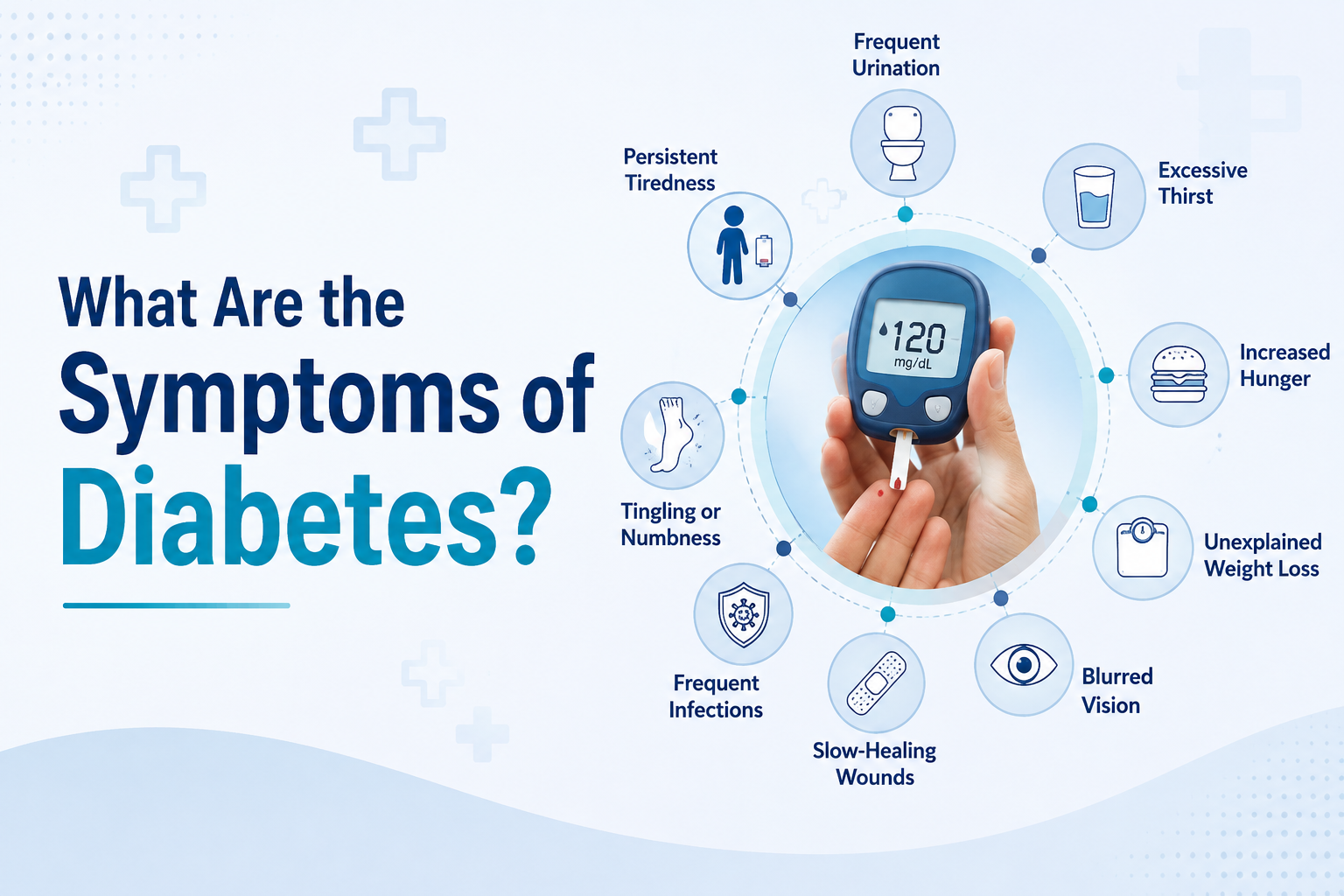
Top 10 Early Warning Signs of Diabetes You Should Never Ignore

Diabetes is a chronic condition that impacts millions of people worldwide. Recognizing the early warning signs is critical for timely intervention, preventing serious complications, and improving quality of life. Monitoring your body for unusual changes can save your health in the long run.

1. Frequent Urination

Frequent urination, medically called polyuria, is often one of the earliest indicators of diabetes. When blood sugar levels are high, the kidneys work overtime to filter excess glucose, leading to more urine output.

Key points to notice:
  • Waking up multiple times at night to urinate
  • Needing to urinate more often than usual during the day
  • Feeling urgency even when the bladder isn’t full

Ignoring this sign may lead to dehydration and electrolyte imbalance.

2. Excessive Thirst

Excessive thirst, also known as polydipsia, usually accompanies frequent urination. Your body loses fluids rapidly, signaling you to drink more.

Warning signals:
  • Always feeling thirsty despite drinking enough water
  • Dry mouth and cracked lips
  • Frequent need for fluids, especially water

Persistent thirst can indicate that your body is struggling to maintain proper fluid balance due to high blood sugar.

3. Unexplained Weight Loss

Sudden and unexplained weight loss is a common diabetes symptom, particularly in type 1 diabetes. When insulin is insufficient, your body cannot use glucose for energy, so it starts burning fat and muscle for fuel.

Things to watch for:
  • Losing weight without diet or exercise changes
  • Muscle weakness or fatigue
  • Clothes feeling looser than usual

Even a few kilograms lost unexpectedly should prompt a consultation with a healthcare provider.

4. Extreme Fatigue

Persistent fatigue is often overlooked but is a key diabetes warning sign. High blood sugar prevents your body from using glucose effectively, leaving you drained of energy.

Common patterns:
  • Feeling tired after minimal physical activity
  • Difficulty concentrating at work or school
  • Sleep disturbances or daytime sleepiness

Lifestyle adjustments may help, but unexplained fatigue combined with other symptoms requires medical evaluation.

5. Blurred Vision

High blood sugar can cause fluid shifts in the eyes, altering the shape of the lens and leading to blurred or distorted vision.

Indicators include:
  • Trouble focusing on objects
  • Temporary vision changes that fluctuate with sugar levels
  • Eye discomfort or headaches

Regular eye check-ups are important for early detection and prevention of diabetic eye complications.

6. Slow-Healing Wounds

Diabetes affects circulation and immunity, making it harder for cuts, scrapes, or infections to heal.

Signs to notice:
  • Small wounds taking weeks to close
  • Frequent infections around minor injuries
  • Scabs that do not heal properly

Prompt attention and proper wound care can prevent serious infections like ulcers or gangrene.

7. Frequent Infections

High blood sugar weakens the immune system, leading to recurring infections. Skin infections, urinary tract infections, and gum disease are common among diabetic patients.

Red flags:
  • Persistent yeast infections
  • Recurrent urinary tract infections
  • Swollen gums or dental issues

Early treatment and blood sugar management reduce the frequency and severity of infections.

8. Tingling or Numbness in Hands and Feet

Diabetic neuropathy affects nerves, causing tingling, numbness, or burning sensations in extremities.

Symptoms to observe:
  • Pins-and-needles sensation in fingers and toes
  • Reduced sensitivity to heat, cold, or pain
  • Foot discomfort while walking

Regular check-ups and glucose control can slow nerve damage progression.

9. Increased Hunger

Also called polyphagia, excessive hunger occurs when the body cannot use glucose for energy. Despite eating, cells remain starved, triggering constant appetite.

Indicators:
  • Feeling hungry shortly after meals
  • Cravings for sugary or high-carb foods
  • Rapid eating without feeling satisfied

Balancing diet and monitoring blood sugar can help manage this symptom effectively.

10. Darkened Skin Patches

Acanthosis nigricans is a condition where diabetes causes dark, velvety skin patches, often in folds like the neck, armpits, or groin.

What to watch:
  • Skin thickening or dark patches
  • Rough or itchy texture
  • Areas that appear suddenly

This symptom often signals insulin resistance and should not be ignored.

Conclusion

Recognizing these early warning signs of diabetes is crucial for preventing serious health issues. Timely action through lifestyle changes, testing, and medical guidance can make a significant difference.

Take control of your health—monitor your symptoms and get professional advice. Visit our KHIMS Hospital Khammam for expert care.

Asthma or Just a Cold? Know the Difference

Understanding whether you are dealing with asthma or a common cold can be confusing. Both share similar symptoms such as coughing, wheezing, and shortness of breath. However, identifying the correct condition is crucial for proper treatment.

What is Asthma?

Asthma is a chronic respiratory condition that causes airway inflammation and narrowing. This leads to difficulty breathingchest tightness, and recurring wheezing episodes. Triggers include allergens, pollution, exercise, or respiratory infections. Unlike colds, asthma requires long-term management and care.

What is a Common Cold?

cold is a temporary viral infection that affects the upper respiratory tract. Symptoms include runny nose, sore throat, mild cough, sneezing, and fatigue. Most colds resolve within 7–10 days and do not cause permanent damage to the lungs.

Key Differences Between Asthma and a Cold

Symptom Duration

  • Asthma: Ongoing, recurring, and often long-term.

  • Cold: Short-lived, usually lasting about a week.

Breathing Pattern

  • Asthma: Noticeable shortness of breath, wheezing, and chest tightness.

  • Cold: Congestion and blocked nasal passages but no persistent breathing difficulty.

Triggers

  • Asthma: Dust, smoke, pollen, and physical activity.

  • Cold: Spread through viral infection and close contact with an infected person.

Treatment Approach

  • Asthma: Requires inhalers, medications, and lifestyle management.

  • Cold: Rest, hydration, and over-the-counter remedies.

When to Seek Medical Help?

If your cough lasts more than 10 days, or you experience frequent wheezing and breathing difficulty, consult a doctor immediately. Early diagnosis prevents complications and ensures effective care.

Tips to Manage Asthma Symptoms

  • Avoid allergens like dust and smoke.

  • Use prescribed inhalers regularly.

  • Practice breathing exercises.

  • Get regular check-ups at trusted hospitals like KHIMS Hospitals.

Tips to Relieve a Common Cold

  • Drink warm fluids.

  • Rest adequately.

  • Use steam inhalation for nasal congestion.

  • Maintain hand hygiene to prevent spread.

Conclusion

Distinguishing between asthma and a cold is essential for better health. A cold may be temporary, but asthma needs long-term care and monitoring. Timely medical help makes all the difference.

For expert diagnosis and personalized treatment, visit KHIMS Hospitals today and take control of your respiratory health. 

How to Know if Fever is Viral or Infection?

Fever is one of the most common health issues that affects people of all ages. While it can be caused by many conditions, identifying whether it is due to a viral fever or a bacterial infection is very important for proper treatment. Understanding the difference helps you take timely medical care and avoid complications.

What is Viral Fever?

A viral fever occurs when the body’s immune system reacts to viruses that invade the body. These fevers are usually accompanied by symptoms like sore throat, runny nose, cough, body ache, and fatigue. Viral infections often spread through air, water, or contact with infected persons.

What is Bacterial Infection Fever?

A bacterial infection fever results from harmful bacteria entering the body and multiplying rapidly. Conditions like urinary tract infection, pneumonia, or skin infection can cause high fever. In such cases, the fever is usually persistent and may require antibiotics for recovery.

Key Differences Between Viral and Bacterial Fever

  • Onset of Symptoms: Viral fever develops gradually with cold-like signs, while bacterial infection fever often comes suddenly and is more severe.
  • Duration: Viral fevers usually last 3–7 days, while bacterial fevers may persist longer without proper treatment.
  • Associated Symptoms: Viral fevers show generalized symptoms like weakness and mild cough. Bacterial fevers may present with pus, swelling, or localized pain.
  • Response to Medicine: Viral fevers improve with rest, fluids, and supportive care, whereas bacterial infections need antibiotic treatment.

When to Consult a Doctor?

If fever persists beyond 4–5 days, rises above 102°F, or is associated with symptoms like shortness of breath, chest pain, or persistent vomiting, immediate medical attention is necessary. A doctor may recommend tests like blood count, urine analysis, or chest X-ray to identify the cause.

Home Remedies and Care

For viral fever, hydration, nutritious diet, rest, and paracetamol for fever control are usually sufficient. However, self-medicating with antibiotics without a doctor’s advice can be harmful, especially if the fever is viral.

Prevention of Viral and Bacterial Fever

  • Wash hands regularly with soap and water.
  • Use masks and maintain distance during flu season.
  • Get timely vaccinations for flu and pneumonia.
  • Drink clean water and maintain hygiene.

Conclusion

Distinguishing between a viral fever and a bacterial infection fever helps in proper diagnosis and treatment. Always observe the symptoms and consult a doctor if fever is persistent or severe.

Visit our Khims Hospital Khammam for advanced diagnosis, expert doctors, and quality care for all types of fever and infections.

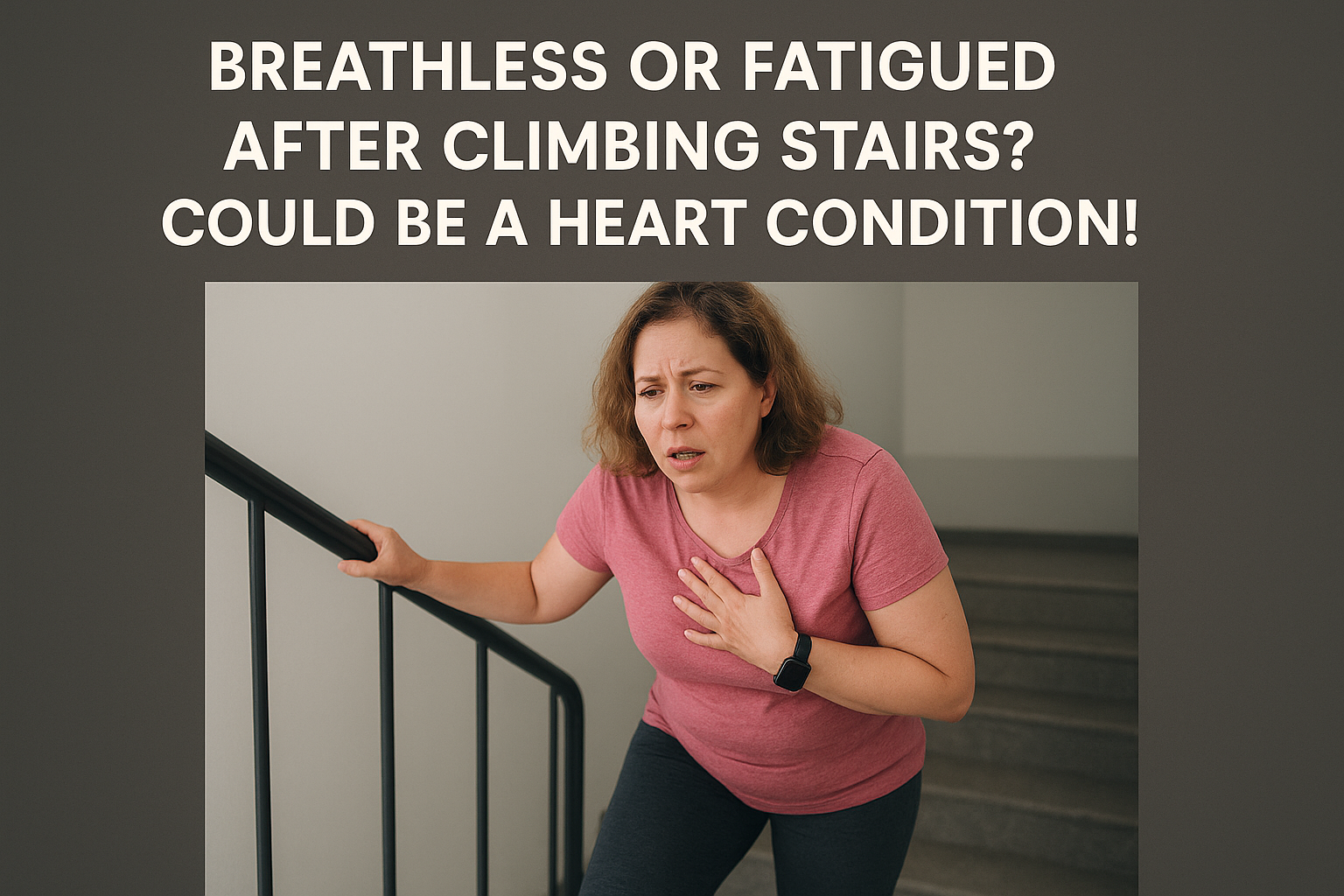
Breathless or Fatigued After Climbing Stairs? Could Be a Heart Condition!

Climbing stairs is a simple daily task, but if you feel breathless or experience fatigue after a few steps, it may be more than just being out of shape. Often, these symptoms can signal an underlying heart condition that requires timely medical attention.

Why Does Breathlessness Happen?

Shortness of breath during exertion occurs when your heart health is compromised. The heart struggles to pump oxygen-rich blood, forcing your lungs and muscles to work harder. This can make even climbing a single flight of stairs seem exhausting.

Fatigue After Climbing Stairs: More Than Tiredness

Persistent tiredness after minor activities may indicate early cardiac disease. If you notice extreme weakness, chest heaviness, or rapid heartbeat, it is advisable to seek cardiology care for proper evaluation.

Common Causes of Staircase Breathlessness

  • Hypertension: High blood pressure strains the heart.
  • Coronary artery disease: Blocked arteries reduce blood supply.
  • Congestive heart failure: Heart muscles weaken, lowering efficiency.
  • Anemia: Low hemoglobin levels decrease oxygen delivery.

When to See a Cardiologist

If you feel palpitations, dizziness, or chest pain along with breathlessness, consult a cardiologist in Khammam immediately. Early diagnosis can prevent serious complications such as heart attack or stroke.

Diagnostic Tests for Heart-Related Breathlessness

Doctors may suggest:

  • ECG to check electrical activity of the heart
  • Echocardiogram to assess pumping efficiency
  • Stress test to monitor response during exertion
  • Blood tests to detect anemia or thyroid problems

Lifestyle Tips for a Healthy Heart

  • Maintain a balanced diet rich in fruits, vegetables, and whole grains
  • Engage in regular exercise like brisk walking or yoga
  • Quit smoking and reduce alcohol intake
  • Manage cholesterol and diabetes through routine checkups

Treatment Options Available

Depending on the diagnosis, treatments may include medications to control blood pressure, procedures to open blocked arteries, or advanced therapies for heart failure. Following your doctor’s advice is essential for long-term recovery.

Conclusion

Feeling breathless or fatigued after climbing stairs should never be ignored. It may be an early indicator of a heart problem. Timely tests and consultation with a heart specialist can save lives.

Don’t dismiss your symptoms. Prioritize your cardiac health and seek expert medical care whenever unusual tiredness or breathlessness occurs.

Visit our Khims Hospital Khammam for trusted heart care and advanced treatment.

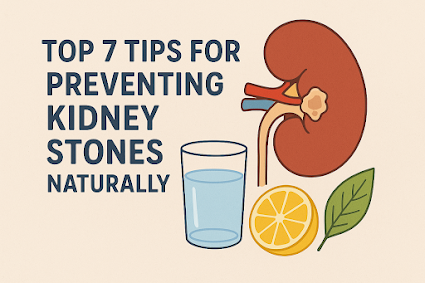
Top 7 Tips for Preventing Kidney Stones Naturally

Kidney stones are a painful and common condition affecting millions worldwide. They form when minerals and salts build up in the urinary tract, leading to discomfort and complications. Fortunately, with simple lifestyle changes and the right guidance, you can lower your risk. Here are the top 7 tips for preventing kidney stones naturally.

1. Stay Hydrated

Drinking plenty of water is the most effective way to prevent kidney stone formation. Proper hydration dilutes minerals in urine, reducing crystal deposits. Aim for at least 8–10 glasses of water daily to keep your urinary system healthy.

2. Limit Sodium Intake

Excessive salt can increase calcium in urine, a major trigger for stones. Reducing sodium consumption helps maintain kidney health. Choose fresh foods, avoid packaged meals, and cook with minimal added salt.

3. Eat Calcium-Rich Foods

Contrary to myths, dietary calcium actually lowers stone risk. Calcium binds with oxalate in the intestines, preventing it from reaching the kidneys. Include dairy, leafy greens, and fortified foods in your diet for strong bones and balanced mineral levels.

4. Reduce Oxalate-Rich Foods

Oxalates are naturally found in foods like spinach, beets, nuts, and chocolate. High oxalate levels can contribute to stone development. Moderation is key—balance intake with calcium-rich foods for safer absorption.

5. Cut Down on Animal Protein

High amounts of red meat, poultry, and seafood increase uric acid, which may lead to uric acid stones. Replace heavy protein meals with plant-based alternatives like beans and lentils for better kidney care.

6. Maintain a Healthy Weight

Obesity increases the risk of metabolic changes that encourage stone formation. A balanced diet combined with regular exercise supports weight control and reduces the burden on your kidneys.

7. Avoid Excessive Sugar and Soda

Sugary drinks and sodas, especially those high in fructose, can cause kidney stress and promote stones. Replace them with water, lemon water, or herbal teas to keep your system clean and balanced.

Conclusion

Preventing kidney stones is possible with healthy hydration, smart dietary choices, and active living. A few mindful habits can protect your urinary system and reduce painful stone risks.

Making the right lifestyle choices today ensures better kidney health tomorrow. Consult a nephrology specialist for personalized guidance and long-term care.

Visit our Khims Hospital for advanced nephrology care and expert kidney health solutions.

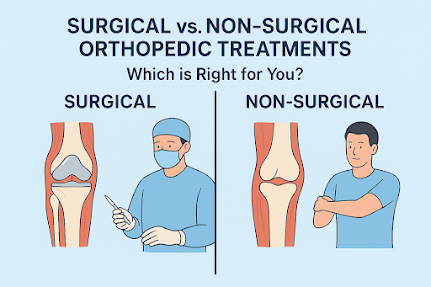
Surgical vs. Non-Surgical Orthopedic Treatments: Which is Right for You?

When it comes to orthopedic care, patients often wonder whether surgical treatments or non-surgical treatments are the best solution. Choosing the right approach depends on the type of injury, severity of symptoms, and overall health. Understanding the difference helps you make informed decisions about recovery and long-term mobility.

What Are Non-Surgical Orthopedic Treatments?

Non-surgical treatments are the first line of care for many conditions. These include physical therapy, medications, bracing, and lifestyle modifications. For example, joint pain, ligament strain, or mild arthritis often respond well to these methods. Orthopedic doctors recommend these approaches to reduce inflammation, improve flexibility, and strengthen muscles without invasive procedures.

When Do Surgical Treatments Become Necessary?

Surgical treatments are considered when conservative care fails to provide relief. Common procedures include joint replacement, arthroscopy, and fracture fixation. Patients with severe cartilage damage, torn ligaments, or advanced arthritis may benefit more from surgery. An orthopedic surgeon carefully evaluates imaging results and patient history before suggesting an operation.

Benefits of Non-Surgical Approaches

  • Faster recovery with minimal downtime
  • Lower risk compared to surgery
  • Effective for mild to moderate conditions
  • Maintains joint health and mobility without major intervention

Non-invasive methods are especially helpful for conditions like back pain, sprains, or repetitive stress injuries. They also suit patients who may not be ideal candidates for surgery due to age or health concerns.

Advantages of Surgical Care

  • Provides permanent solutions for chronic conditions
  • Restores function in cases of severe joint damage
  • Allows patients to return to active lifestyles sooner
  • Can address complex fractures and deformities

Surgery ensures stability, alignment, and long-term relief when other treatments fail. With advanced orthopedic procedures and minimally invasive techniques, recovery outcomes have significantly improved.

Which Option Is Right for You?

The choice between orthopedic surgery and non-surgical treatment depends on pain levels, activity goals, and medical evaluations. A personalized treatment plan ensures better results. Consulting an orthopedic specialist helps in determining the best pathway to recovery.

Conclusion

Choosing between surgical and non-surgical orthopedic care is not always simple. Each option has unique benefits, and the right choice depends on your condition, age, and health goals.

Both approaches aim to restore mobility and relieve pain. Always consult an expert orthopedic doctor before deciding on the best treatment for long-term results.

Visit our Khims Hospital for advanced orthopedic care and personalized treatment plans.

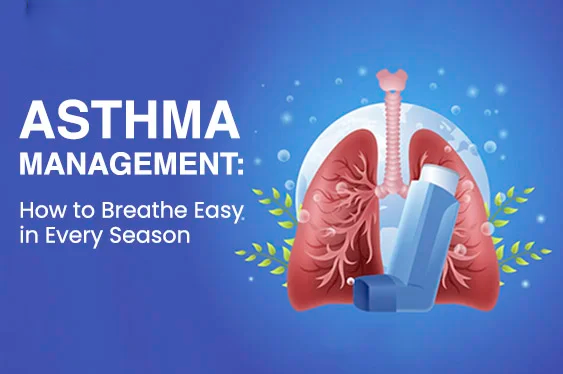
Asthma Management Tips: Breathing Easy in Every Season

Asthma Management Tips: Breathing Easy in Every Season

Living with asthma can be challenging, especially when each season brings its own triggers. From pollen-filled spring days to dry winter air, understanding how to manage asthma year-round is key to maintaining good respiratory health.

This guide provides practical, season-specific tips for managing asthma symptoms and preventing attacks. Whether you’re navigating cold weather, dust allergies, or sudden temperature changes, these strategies will help you breathe easier.

Spring Asthma Management: Dealing with Pollen Allergies

Spring is a beautiful season, but it’s a difficult time for people with allergic asthma. Pollen counts soar, leading to increased wheezing, coughing, and shortness of breath. Try staying indoors during high pollen times, keeping windows closed, and using air purifiers to reduce exposure.

Using your asthma inhaler regularly and as prescribed can also prevent seasonal flare-ups. Speak to a pulmonologist about adjusting medications before spring begins.

Summer Challenges: Coping with Heat and Humidity

Increased humidity and heat during summer can make it harder to breathe. Warm air holds more pollutants and allergens, making asthma symptoms worse. Try to avoid outdoor exercise during peak heat hours and stay hydrated.

If you experience frequent breathlessness during summer, it may be time for an asthma diagnosis review. This ensures your medication is still effective and suited to your current condition.

Fall Awareness: Managing Dust and Mold Exposure

Dust mites and mold spores increase in autumn, especially in closed indoor spaces. Clean bedding regularly, check for mold in damp areas, and vacuum often using a HEPA filter to minimize exposure.

If you’re using a nebulizer for asthma, ensure it’s clean and functioning properly. This helps avoid respiratory infections and maintains effective medication delivery.

Winter Warnings: Handling Cold Air and Infections

Cold weather often brings respiratory infections that can aggravate asthma symptoms. Wear a scarf over your nose and mouth to warm the air before it reaches your lungs and avoid outdoor activity in freezing temperatures.

Consider getting the flu vaccine for asthmatics as part of your winter protection plan. It helps prevent complications from seasonal flu, which can worsen asthma symptoms.

Lifestyle Tips for Year-Round Control

  • Maintain an asthma action plan with your doctor
  • Track your symptoms in an asthma diary
  • Use air purifiers at home
  • Avoid known triggers
  • Practice breathing exercises and stay active

Effective asthma control means staying informed, adapting to seasonal triggers, and following your treatment plan. Small changes can make a big difference in long-term respiratory health.

Stay one step ahead of seasonal asthma and live your best life – one deep breath at a time.

Visit our Khims Hospital Khammam for personalized asthma care and expert pulmonology services.

Common Orthopedic Injuries and How to Prevent Them

Common Orthopedic Injuries and How to Prevent Them

orthopedic injuriesOrthopedic injuries can happen to anyone, from athletes to office workers, and often result from repetitive movements, overuse, or sudden trauma. Understanding these injuries and learning how to prevent them is essential for maintaining mobility and overall health. This blog explores common orthopedic injuries, their causes, symptoms, and actionable prevention tips.

1. Sprains and Strains

Cause: Overstretching or tearing of ligaments (sprains) or muscles/tendons (strains).
Common Areas: Ankles, wrists, and lower back.
Symptoms: Pain, swelling, bruising, and limited mobility.

Prevention Tips:

  • Warm up before exercise.
  • Use proper techniques during physical activities.
  • Wear supportive footwear to reduce the risk of ankle injuries.
2. Fractures

Cause: Excessive force or trauma to the bone.
Common Areas: Wrists, arms, and legs.
Symptoms: Severe pain, swelling, and inability to move the affected area.

Prevention Tips:

  • Engage in weight-bearing exercises to strengthen bones.
  • Ensure your home and workplace are free of slip and trip hazards.
  • Maintain a diet rich in calcium and vitamin D for bone health.
3. Tendinitis

Cause: Inflammation of tendons due to repetitive motion or overuse.
Common Areas: Shoulders, elbows, and knees.
Symptoms: Dull ache, tenderness, and mild swelling.

Prevention Tips:

  • Incorporate rest breaks during repetitive tasks.
  • Stretch and strengthen muscles surrounding the tendons.
  • Avoid overloading joints during physical activities.
4. Dislocations

Cause: A bone forced out of its joint due to trauma or extreme force.
Common Areas: Shoulders, fingers, and hips.
Symptoms: Deformity, intense pain, and immobility.

Prevention Tips:

  • Use protective gear during contact sports.
  • Strengthen muscles and improve flexibility to support joints.
  • Avoid risky activities without proper preparation or training.
5. Back Injuries

Cause: Poor posture, lifting heavy objects improperly, or sudden movements.
Common Areas: Lower and upper back.
Symptoms: Stiffness, sharp pain, or restricted movement.

Prevention Tips:

  • Practice good posture while sitting and standing.
  • Use ergonomic furniture and equipment at work.
  • Lift heavy objects correctly by bending your knees and keeping your back straight.
6. Carpal Tunnel Syndrome

Cause: Compression of the median nerve in the wrist due to repetitive motion.
Common Areas: Hands and wrists.
Symptoms: Numbness, tingling, and weakness in the hand.

Prevention Tips:

  • Use ergonomic keyboards and mouse setups.
  • Take regular breaks from repetitive hand motions.
  • Perform wrist-stretching exercises.

General Prevention Strategies

  • Stay Active: Regular exercise improves joint flexibility, strengthens muscles, and reduces injury risk.
  • Maintain a Healthy Weight: Extra weight can stress joints, increasing the likelihood of injuries.
  • Listen to Your Body: Stop activities if you feel pain or discomfort to avoid further damage.
  • Invest in Protective Gear: Use braces or guards during high-risk activities.

Orthopedic injuries can be life-altering, but many are preventable with the right strategies. Prioritize your orthopedic health by staying active, using proper techniques, and seeking medical advice when needed. Early intervention can prevent minor injuries from becoming major problems.

If you’re dealing with pain or an injury, consult the experts at Khims Hospital, Khammam. Our orthopedic specialists provide advanced care to help you heal and regain mobility. Your recovery starts here!