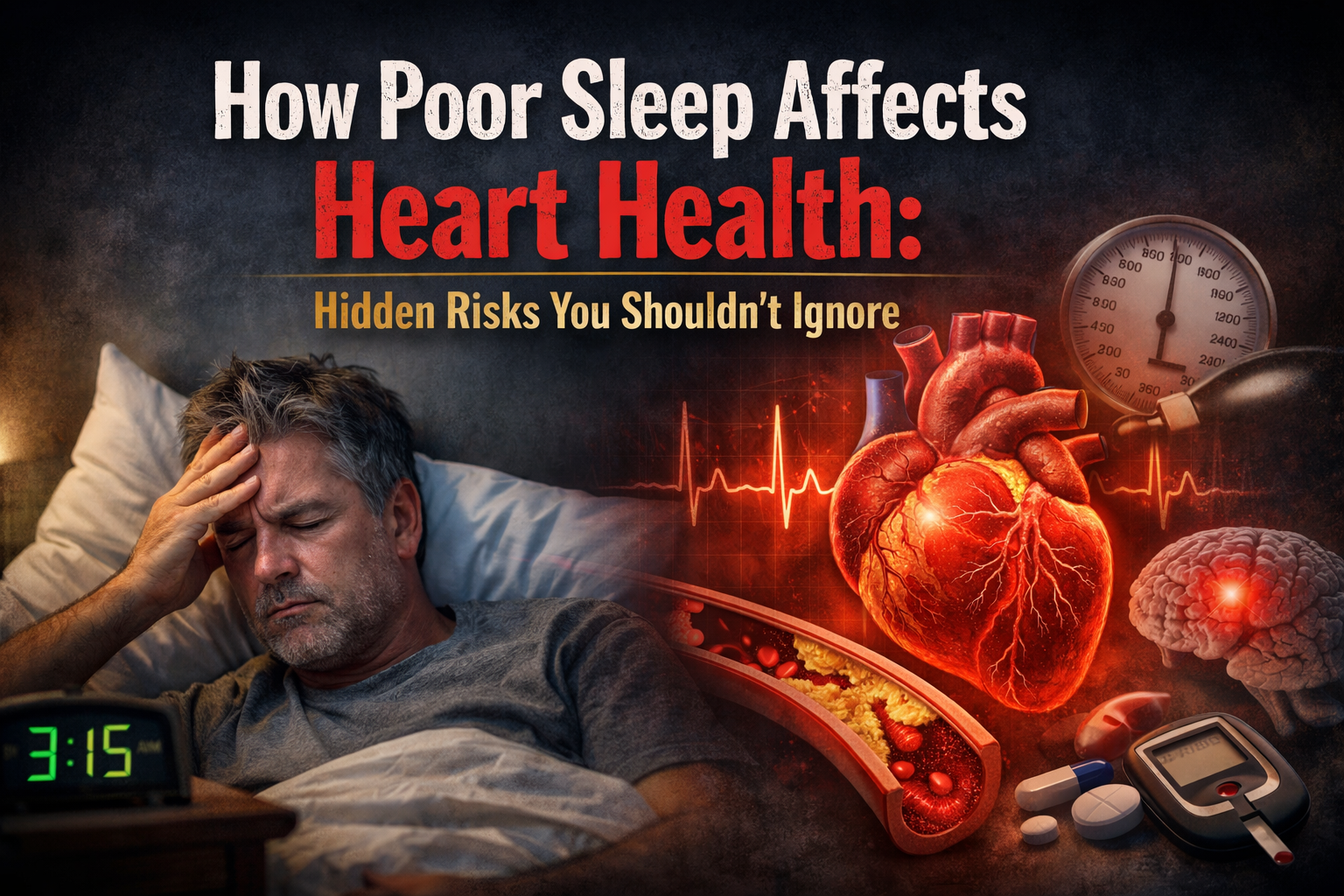
How Poor Sleep Affects Heart Health: Hidden Risks You Shouldn’t Ignore

Sleep is not just rest—it’s a vital process that supports your body’s recovery, especially your heart. Poor sleep habits are increasingly linked to serious cardiovascular issues, making it essential to understand how sleep impacts heart health and what risks you may be overlooking.

 Why Sleep is Essential for Heart Health

During sleep, your body regulates blood pressure, heart rate, and stress hormones. Consistent sleep deprivation disrupts these processes, increasing strain on the heart and blood vessels. Over time, this can lead to long-term damage and reduced cardiovascular efficiency.

 Hidden Risks of Poor Sleep

1. Increased Risk of Hypertension

Lack of quality sleep can lead to high blood pressure, as the body fails to relax and reset overnight. Persistent elevation increases the risk of heart attack and stroke.

2. Higher Chances of Heart Disease

People with irregular sleep patterns are more prone to developing cardiovascular disease, including coronary artery problems and heart failure.

3. Impact on Blood Sugar Levels

Poor sleep affects insulin sensitivity, increasing the risk of diabetes and heart health complications, which directly burden the cardiovascular system.

4. Weight Gain and Obesity

Sleep loss alters hunger hormones, leading to overeating and obesity risk factors, which significantly contribute to heart-related conditions.

5. Increased Stress and Inflammation

Insufficient rest raises cortisol levels and promotes chronic inflammation, both of which damage blood vessels and increase cardiac risk.

The Connection Between Sleep Disorders and the Heart

Conditions like insomnia and sleep apnea are strongly linked with sleep disorders and heart health. Sleep apnea, in particular, causes repeated interruptions in breathing, lowering oxygen levels and putting immense strain on the heart.

 Signs Your Sleep is Affecting Your Heart

  • Constant fatigue or daytime drowsiness

  • Irregular heartbeat or palpitations

  • Morning headaches

  • Difficulty concentrating

  • Increased blood pressure levels

Tips to Improve Sleep for Better Heart Health

  • Maintain a consistent sleep schedule

  • Avoid caffeine before bedtime

  • Create a calm sleeping environment

  • Limit screen time at night

  • Practice relaxation techniques like meditation

 When to Seek Medical Help

If you experience persistent sleep issues or symptoms related to heart problems, consult healthcare experts. Early intervention can prevent serious complications. Visit our KHIMS Hospitals for expert guidance and advanced care.

Conclusion

Poor sleep is a silent threat that gradually damages your heart. Ignoring sleep issues can lead to serious long-term health complications. Prioritizing rest is essential for a healthy life.

Improving sleep habits can significantly reduce cardiovascular risks. Simple lifestyle changes can protect your heart and enhance overall well-being.
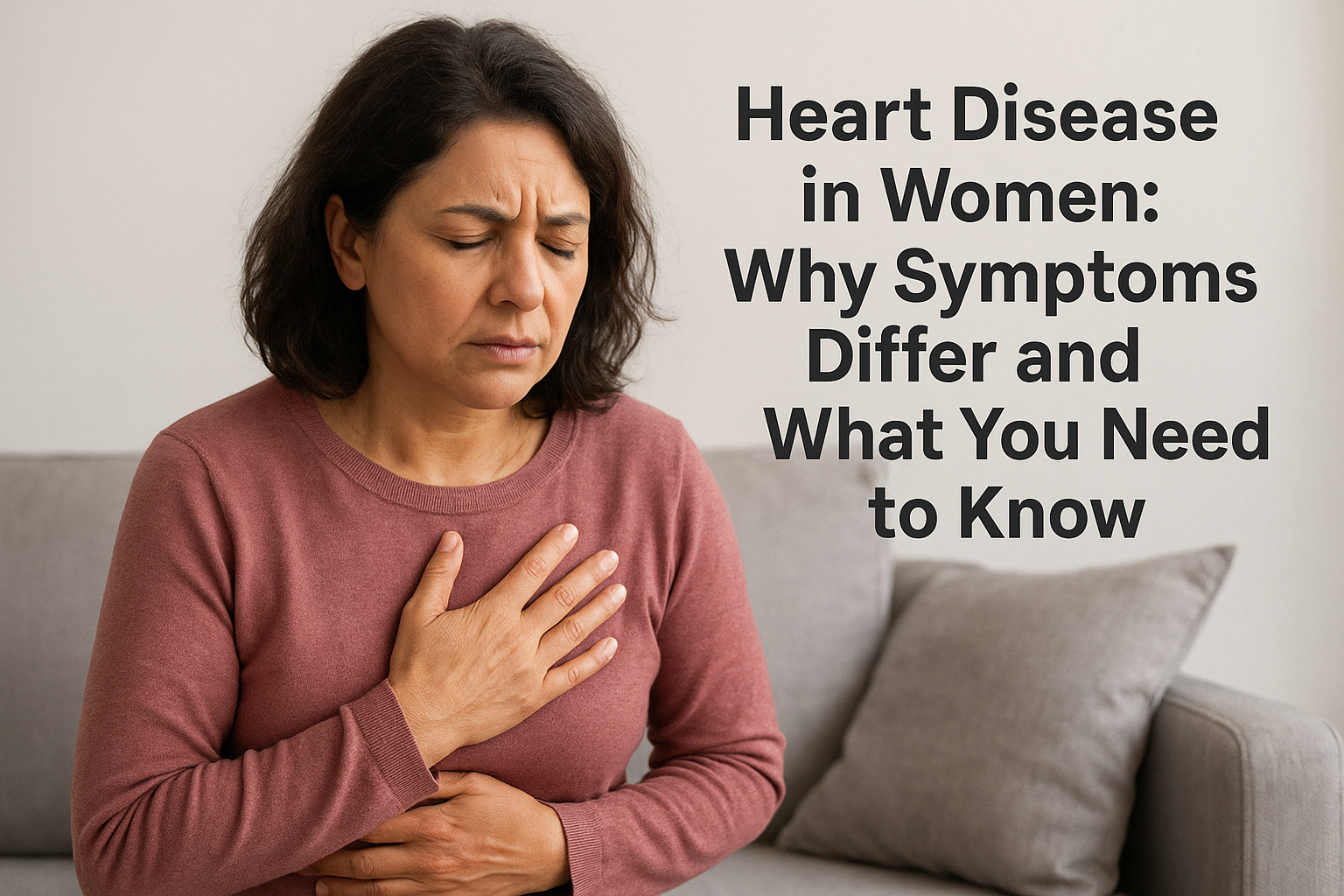
 Heart Disease in Women: Why Symptoms Differ and What You Need to Know

Heart disease in women often goes unnoticed because its signs differ from those in men. While chest pain is the most recognized symptom, women frequently experience subtle signals such as fatigue, nausea, or shortness of breath. Understanding these gender-specific symptoms can save lives and promote early diagnosis.

1. Why Heart Disease Affects Women Differently

Biological and hormonal factors play a major role in how heart disease develops in women. The decline of estrogen after menopause increases the risk of plaque buildup in arteries. Women also have smaller coronary vessels, making blockages harder to detect. Emotional stress and autoimmune conditions further heighten their vulnerability.

2. Common Symptoms of Heart Disease in Women

Unlike men, women may not always feel intense chest pain during a heart attack. Instead, they may notice:

  • Unexplained shortness of breath

  • Dizziness or lightheadedness

  • Fatigue or sleep disturbances

  • Pain in the jaw, neck, shoulder, or back

  • Nausea or indigestion

Recognizing these female heart attack symptoms early can prevent severe heart damage and improve recovery.

3. Major Risk Factors for Women

Certain lifestyle and medical conditions elevate the risk of cardiovascular health problems in women:

  • High blood pressure

  • Diabetes and obesity

  • Smoking and alcohol use

  • Family history of heart disease

  • Sedentary lifestyle

  • Stress and depression

Being aware of these factors helps women make informed decisions about their women’s heart care routines.

4. Preventive Measures for a Healthy Heart

Adopting preventive cardiology practices can reduce heart disease risks significantly. Some effective measures include:

  • Maintaining a balanced diet rich in fruits, vegetables, and lean proteins

  • Regular physical activity, such as brisk walking or yoga

  • Controlling blood sugar and cholesterol levels

  • Avoiding smoking and managing stress

  • Scheduling regular cardiac check-ups

Early intervention and lifestyle management can make a powerful difference in long-term heart wellness.

5. Diagnosis and Treatment Options

Advanced diagnostic tools like ECG, echocardiograms, and stress tests help detect hidden cardiovascular issues in women. Treatments may involve medication, angioplasty, or bypass surgery, depending on severity. Regular consultations with a cardiologist are essential for personalized care and monitoring.

Conclusion

Women must recognize that heart disease is not just a man’s issue—it’s the leading cause of death among women globally. Awareness and early action can save countless lives.

At KHIMS Hospitals, we provide advanced diagnostic facilities and expert care tailored for women’s cardiac health.