Top 10 Lifestyle Changes to Keep Your Heart Healthy

A healthy heart is the foundation of a long and energetic life. With rising cases of heart disease, taking proactive steps toward heart health is more important than ever. Small daily changes can make a big difference in protecting your heart and improving your overall cardiovascular wellness.

1. Eat a Balanced Diet

A nutritious heart-healthy diet rich in fruits, vegetables, whole grains, and lean proteins keeps your arteries clear and reduces cholesterol. Limit saturated fats, salt, and sugar for better cardiac care.

2. Exercise Regularly

Engaging in regular physical activity strengthens the heart muscle, improves blood circulation, and helps maintain ideal body weight. Aim for at least 30 minutes of brisk walking, cycling, or swimming daily.

3. Maintain a Healthy Weight

Being overweight increases your risk of high blood pressure and heart disease. Monitor your BMI and waist circumference to stay within healthy limits and support your heart fitness.

4. Quit Smoking

Smoking is a major cause of heart attacks and stroke. Quitting smoking can significantly enhance your heart’s function and increase your life expectancy. Seek professional help if needed.

5. Limit Alcohol Consumption

Excessive alcohol can raise blood pressure and damage the heart muscle. Practice moderation to ensure healthy circulation and prevent cardiac complications.

6. Manage Stress Effectively

Chronic stress leads to inflammation and irregular heartbeat. Try meditation, yoga, or deep breathing exercises to calm your mind and support emotional well-being.

7. Get Enough Sleep

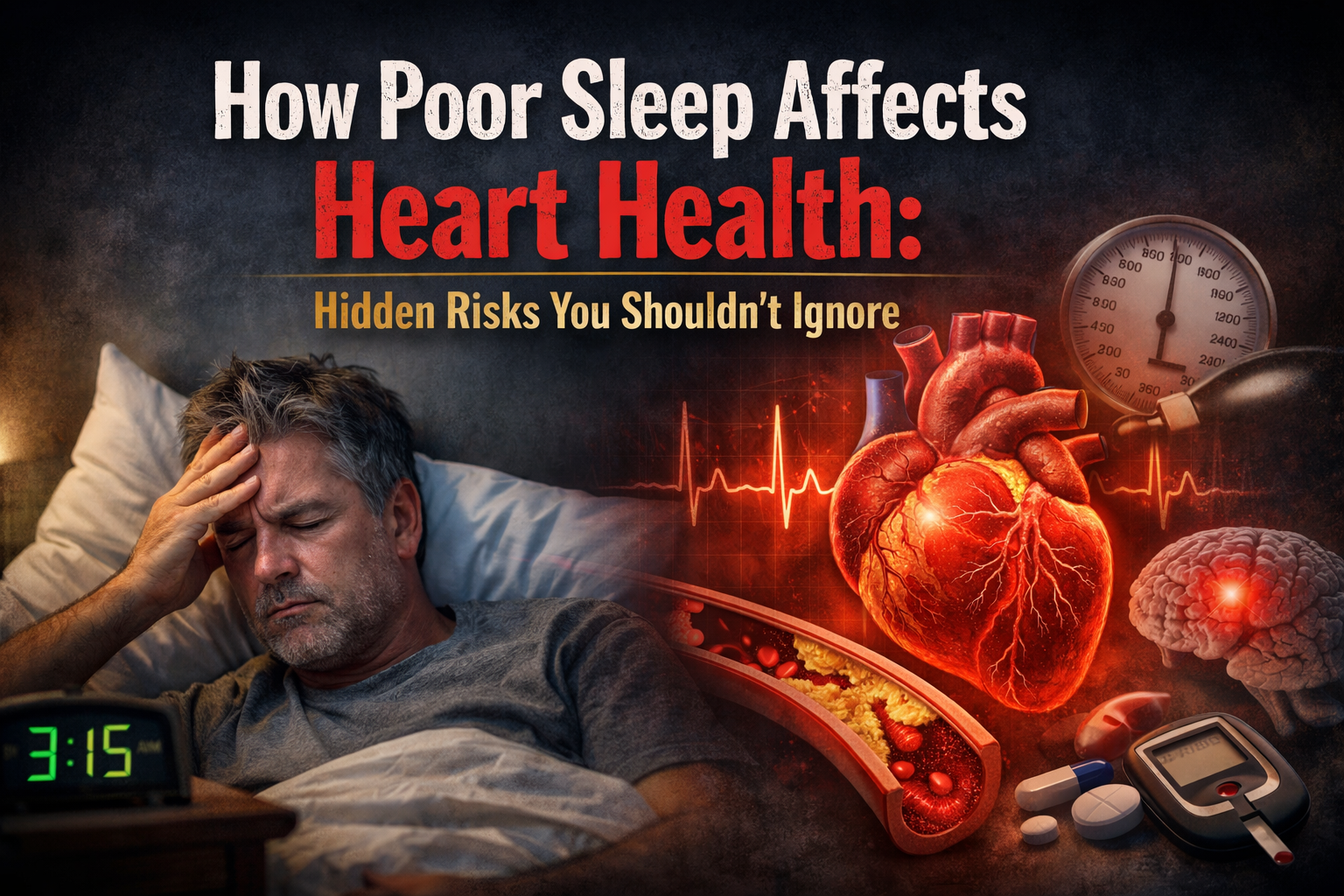
Quality sleep is essential for heart rhythm stability. Poor sleep increases the risk of hypertension, obesity, and diabetes—conditions linked to heart disease. Aim for 7–8 hours nightly.

8. Monitor Blood Pressure Regularly

Regular blood pressure check-ups help detect early signs of heart strain. Keep your readings below 120/80 mmHg and consult your doctor if they rise consistently.

9. Control Cholesterol Levels

Excess LDL cholesterol can clog arteries and cause heart attacks. Include foods rich in omega-3 fatty acids, fiber, and antioxidants to maintain healthy lipid balance.

10. Stay Hydrated

Drinking enough water helps in maintaining proper blood circulation and prevents dehydration-related stress on the heart. Replace sugary drinks with water or herbal tea.

Conclusion

Your heart works tirelessly for you—so take care of it with simple, consistent lifestyle habits. These ten changes can significantly lower your risk of cardiovascular problems and boost long-term vitality.

Visit our KHIMS Hospitals for expert cardiology care, advanced treatments, and personalized guidance for a stronger, healthier heart.

Asthma or Just a Cold? Know the Difference

Understanding whether you are dealing with asthma or a common cold can be confusing. Both share similar symptoms such as coughing, wheezing, and shortness of breath. However, identifying the correct condition is crucial for proper treatment.

What is Asthma?

Asthma is a chronic respiratory condition that causes airway inflammation and narrowing. This leads to difficulty breathingchest tightness, and recurring wheezing episodes. Triggers include allergens, pollution, exercise, or respiratory infections. Unlike colds, asthma requires long-term management and care.

What is a Common Cold?

cold is a temporary viral infection that affects the upper respiratory tract. Symptoms include runny nose, sore throat, mild cough, sneezing, and fatigue. Most colds resolve within 7–10 days and do not cause permanent damage to the lungs.

Key Differences Between Asthma and a Cold

Symptom Duration

  • Asthma: Ongoing, recurring, and often long-term.

  • Cold: Short-lived, usually lasting about a week.

Breathing Pattern

  • Asthma: Noticeable shortness of breath, wheezing, and chest tightness.

  • Cold: Congestion and blocked nasal passages but no persistent breathing difficulty.

Triggers

  • Asthma: Dust, smoke, pollen, and physical activity.

  • Cold: Spread through viral infection and close contact with an infected person.

Treatment Approach

  • Asthma: Requires inhalers, medications, and lifestyle management.

  • Cold: Rest, hydration, and over-the-counter remedies.

When to Seek Medical Help?

If your cough lasts more than 10 days, or you experience frequent wheezing and breathing difficulty, consult a doctor immediately. Early diagnosis prevents complications and ensures effective care.

Tips to Manage Asthma Symptoms

  • Avoid allergens like dust and smoke.

  • Use prescribed inhalers regularly.

  • Practice breathing exercises.

  • Get regular check-ups at trusted hospitals like KHIMS Hospitals.

Tips to Relieve a Common Cold

  • Drink warm fluids.

  • Rest adequately.

  • Use steam inhalation for nasal congestion.

  • Maintain hand hygiene to prevent spread.

Conclusion

Distinguishing between asthma and a cold is essential for better health. A cold may be temporary, but asthma needs long-term care and monitoring. Timely medical help makes all the difference.

For expert diagnosis and personalized treatment, visit KHIMS Hospitals today and take control of your respiratory health. 

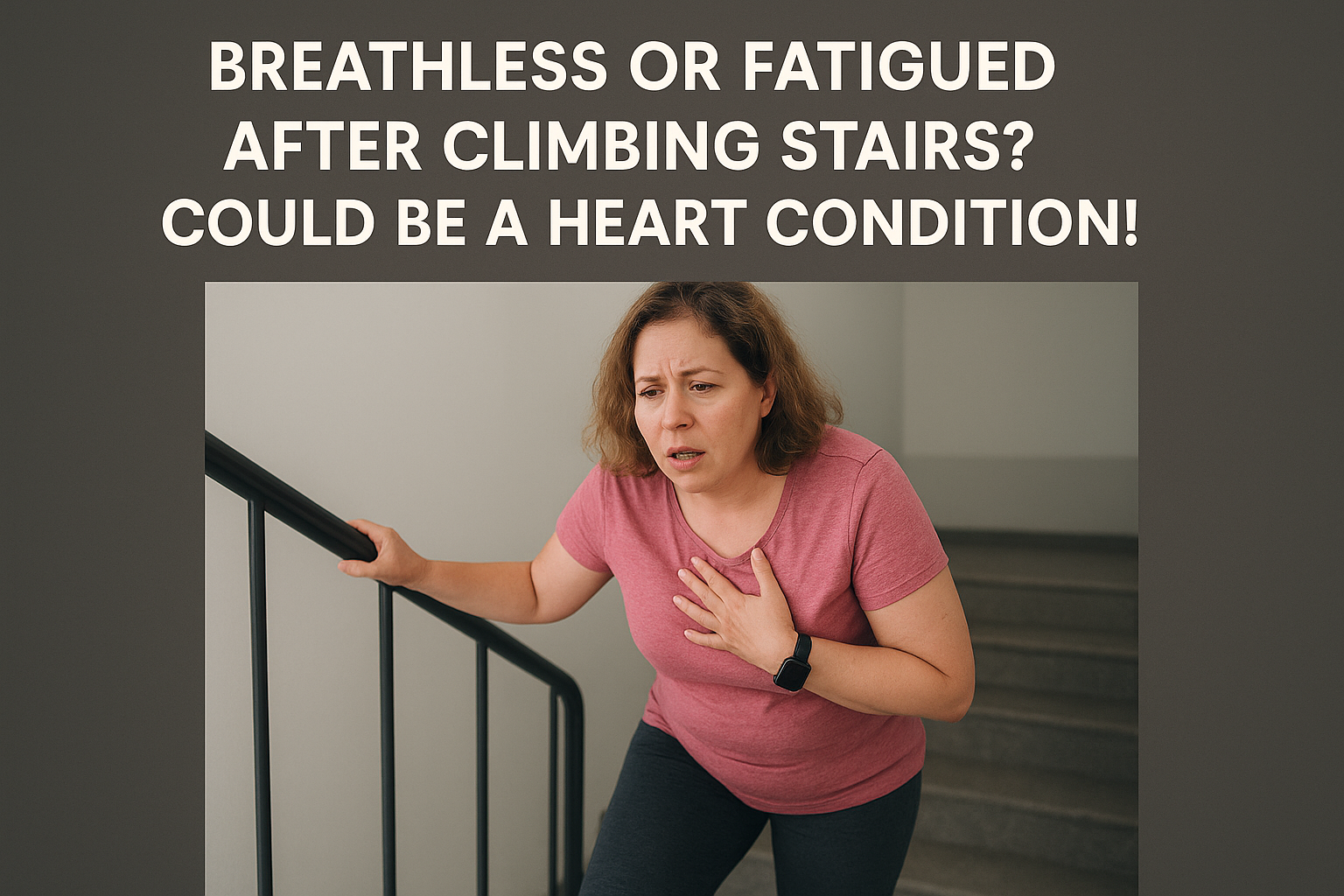
Breathless or Fatigued After Climbing Stairs? Could Be a Heart Condition!

Climbing stairs is a simple daily task, but if you feel breathless or experience fatigue after a few steps, it may be more than just being out of shape. Often, these symptoms can signal an underlying heart condition that requires timely medical attention.

Why Does Breathlessness Happen?

Shortness of breath during exertion occurs when your heart health is compromised. The heart struggles to pump oxygen-rich blood, forcing your lungs and muscles to work harder. This can make even climbing a single flight of stairs seem exhausting.

Fatigue After Climbing Stairs: More Than Tiredness

Persistent tiredness after minor activities may indicate early cardiac disease. If you notice extreme weakness, chest heaviness, or rapid heartbeat, it is advisable to seek cardiology care for proper evaluation.

Common Causes of Staircase Breathlessness

  • Hypertension: High blood pressure strains the heart.
  • Coronary artery disease: Blocked arteries reduce blood supply.
  • Congestive heart failure: Heart muscles weaken, lowering efficiency.
  • Anemia: Low hemoglobin levels decrease oxygen delivery.

When to See a Cardiologist

If you feel palpitations, dizziness, or chest pain along with breathlessness, consult a cardiologist in Khammam immediately. Early diagnosis can prevent serious complications such as heart attack or stroke.

Diagnostic Tests for Heart-Related Breathlessness

Doctors may suggest:

  • ECG to check electrical activity of the heart
  • Echocardiogram to assess pumping efficiency
  • Stress test to monitor response during exertion
  • Blood tests to detect anemia or thyroid problems

Lifestyle Tips for a Healthy Heart

  • Maintain a balanced diet rich in fruits, vegetables, and whole grains
  • Engage in regular exercise like brisk walking or yoga
  • Quit smoking and reduce alcohol intake
  • Manage cholesterol and diabetes through routine checkups

Treatment Options Available

Depending on the diagnosis, treatments may include medications to control blood pressure, procedures to open blocked arteries, or advanced therapies for heart failure. Following your doctor’s advice is essential for long-term recovery.

Conclusion

Feeling breathless or fatigued after climbing stairs should never be ignored. It may be an early indicator of a heart problem. Timely tests and consultation with a heart specialist can save lives.

Don’t dismiss your symptoms. Prioritize your cardiac health and seek expert medical care whenever unusual tiredness or breathlessness occurs.

Visit our Khims Hospital Khammam for trusted heart care and advanced treatment.

Heart Failure

What is Heart Failure?

 When the heart cannot pump enough blood to sustain the body’s tissues and organs, heart failure results. It may impact one or both of the heart’s sides, and its development may be abrupt (acute) or gradual (chronic). Swelling and dyspnea are brought on by the condition’s accumulation of fluid in the lungs and other body organs.

Symptoms Of Heart Failure

Early diagnosis and treatment of heart failure depend heavily on the ability to recognize its signs. Typical signs and symptoms include:

1. Breathlessness

  • occurs when lying down or during physical activity.
  • caused by pulmonary congestion or an accumulation of fluid in the lungs.

2. Weakness and Fatigue

  • Fatigue and poor energy are the results of decreased blood supply to the muscles and tissues.

3. Swelling (Edema)

  • Fluid accumulation in the legs, ankles, feet, and abdomen causes swelling or edema.

4. Rapid or Irregular Heartbeat

  • The heart beats quicker or more erratically to make up for its diminished pumping capacity.

5. Persistent Cough or Wheezing

  • due to an accumulation of fluid in the lungs.

6. Increased Need to Urinate at Night

  • Due to the redistribution of fluid when lying down

7. Lack of Appetite and Nausea

  • Reduced blood flow to the digestive system can cause these symptoms.

8. Difficulty Concentrating

  • Reduced blood flow to the brain affects mental clarity.

Treatment Options for Heart Failure

Medication, surgery, and lifestyle modifications are all part of the treatment of heart failure. The objectives are to control symptoms, enhance quality of life, and stop the illness from getting worse.

1. Modifications in Lifestyle

  • Diet: Consume a diet high in fruits, vegetables, whole grains, lean meats, low-fat dairy, and other heart-healthy foods. Cut back on sugar, salt, and bad fats.
  • Exercise: As advised by your healthcare expert, take frequent physical exercise. 
  • Weight management: To lessen the strain on the heart, maintain a healthy weight.
  • Smoking Cessation: Give up smoking to strengthen your heart.
  •   Limit Alcohol: Either completely abstain from alcohol or consume it in moderation.

2. Drugs

  • Diuretics: Assist in lowering the body’s fluid accumulation.
  • ACE Inhibitors: Reduce blood pressure by relaxing blood vessels.
  • Beta-Blockers: Lower blood pressure and heart rate.
  • Aldosterone Antagonists: Assist in eliminating extra fluid and salt.
  • Digoxin: Lowers heart rate and increases the force of cardiac contractions.
  • Angiotensin II Receptor Blockers (ARBs): Reduce hypertension and strengthen the heart.

3. Medical Devices and Procedures

Surgery called Coronary Artery Bypass Grafting (CABG) is used to increase the heart’s blood supply.

  • Repairing or replacing a heart valve fixes valve issues.
  • ICDs, or implantable cardioverter-defibrillators, are devices that regulate potentially fatal arrhythmias.
  • Pacemakers used in cardiac resynchronization therapy (CRT) to enhance heart rhythm and function.
  • A mechanical pump called a left ventricular assist device (LVAD) aids in the heart’s blood pumping.
  • Heart transplant: In cases of extreme severity where no other therapy works.

Heart Failure Preventive Measures

Maintaining a heart-healthy lifestyle and controlling risk factors are key to preventing heart failure. The following are some essential precautions:

Control your blood pressure: Control your blood pressure with food, exercise, and, if needed,     medication.

Manage Cholesterol Amounts: Maintain appropriate cholesterol levels with a well-balanced diet and, if necessary, medication.

Control Your Diabetes: Control your blood sugar levels with food, exercise, and prescription drugs.

Continue Your Physical Activity:  Regular exercise will strengthen your heart and enhance your general health.

Maintain a Healthy Weight: Achieve and maintain a healthy weight to reduce the heart’s workload.

Quit Smoking: Avoid smoking and exposure to secondhand smoke.

Limit Alcohol: Drink alcohol in moderation or avoid it altogether.

Reduce Stress: Practice stress-reducing techniques such as mindfulness, meditation, and yoga.

When is Heart Failure Occurs

When the heart cannot pump blood efficiently enough to meet the body’s needs, heart failure results. This can occur as a result of several underlying illnesses, such as coronary artery disease, hypertension, cardiomyopathy, or issues with the heart valves. Blood and fluid can back up into the lungs and other areas of the body when the heart’s pumping capacity is impaired. This can cause symptoms including exhaustion, edema in the legs and ankles, and trouble carrying out daily tasks. To enhance heart function and reduce symptoms, managing heart failure usually entails making lifestyle modifications, taking drugs, and in certain situations, undergoing surgery or using medical devices.

How Heart Failure is Diagnosed

To diagnose heart failure, a medical professional must perform a comprehensive evaluation that includes:
 
1. Medical Background Information and Physical Assessment
  • going over risk factors and symptoms again.
  • looking for indications of fluid accumulation and heart-related problems.
2. Diagnostic Examinations
  • Blood tests: To look for signs of other illnesses, such as heart failure.
  • Chest X-ray: To check for heart enlargement and lung fluid.
  • Electrocardiogram (EKG): To evaluate cardiac rhythm and identify prior myocardial infarctions.
  • Echocardiogram: To assess the anatomy and physiology of the heart.
  • Stress test: To evaluate the heart’s response to physical strain.
  • Cardiac MRI: To obtain fine-grained pictures of the anatomy of the heart.
  • Cardiac catheterization: To examine the coronary arteries for obstructions.
Conclusion

In conclusion, managing heart failure requires timely diagnosis and expert care to improve quality of life and outcomes. The Best Cardiology Hospital in Khammam, Khims Hospital, stands out for its exceptional cardiac care, state-of-the-art facilities, and experienced medical professionals. For comprehensive and effective treatment of heart failure, trust Khims Hospital to provide the best cardiology care in Khammam, ensuring your heart health is in the most capable hands.