
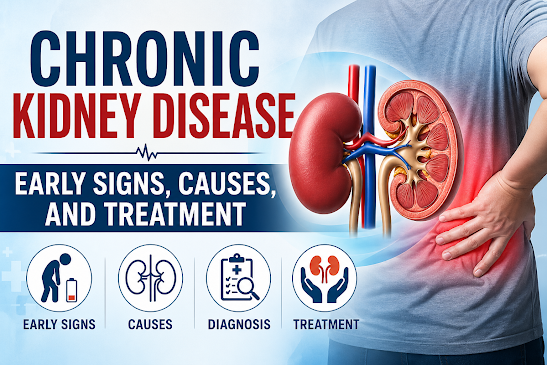
Chronic Kidney Disease (CKD) is a serious condition that develops when the kidneys gradually lose their ability to filter waste and excess fluids from the blood. Because symptoms often appear slowly, many people may not realize they have kidney disease until it has progressed. Understanding the early signs of chronic kidney disease, its causes, and available treatment options can help with early diagnosis and better management.
If you are searching for information about Chronic Kidney Disease treatment, CKD symptoms, or ways to protect kidney health, this guide covers everything you need to know.
What is Chronic Kidney Disease?
Chronic Kidney Disease is a long-term condition where the kidneys become damaged over time and cannot function properly. Healthy kidneys help:
- Remove waste products from the blood
- Balance body fluids
- Control blood pressure
- Support red blood cell production
- Maintain bone health
When kidney function declines, waste can build up in the body and cause serious health complications.
Early Signs of Chronic Kidney Disease
One of the biggest challenges with Chronic Kidney Disease is that symptoms may be mild in the beginning. However, some warning signs should not be ignored.
1. Fatigue and Weakness
Damaged kidneys may lead to toxin buildup and anemia, causing tiredness and low energy.
2. Swelling in Feet and Ankles
Fluid retention may cause swelling in the legs, feet, or around the eyes.
3. Changes in Urination
Watch for:
- Frequent urination, especially at night
- Foamy urine
- Blood in urine
- Reduced urine output
4. High Blood Pressure
Hypertension can both cause and worsen kidney disease.
5. Persistent Nausea
Waste buildup in the bloodstream can lead to nausea and poor appetite.
6. Difficulty Concentrating
Reduced kidney function may affect oxygen delivery and concentration.
7. Itchy Skin
Mineral imbalance can cause persistent skin itching.
What Causes Chronic Kidney Disease?
Several health conditions can contribute to CKD causes.
Diabetes
Type 2 Diabetes is one of the leading causes of kidney damage.
High Blood Pressure
Uncontrolled hypertension can damage kidney blood vessels over time.
Glomerulonephritis
Inflammation of the kidney filters can impair kidney function.
Polycystic Kidney Disease
Polycystic Kidney Disease is a genetic condition that can lead to kidney failure.
Recurrent Kidney Infections
Repeated infections may cause long-term kidney damage.
Kidney Stones and Obstructions
Kidney Stones can sometimes contribute to chronic kidney problems.
Risk Factors for Chronic Kidney Disease
You may have a higher risk if you have:
- Diabetes
- High blood pressure
- Family history of kidney disease
- Obesity
- Heart disease
- Smoking habits
- Older age
Stages of Chronic Kidney Disease
Doctors classify CKD stages based on kidney filtration (GFR).
Stage 1
Mild kidney damage with normal kidney function.
Stage 2
Slight decline in kidney function.
Stage 3
Moderate kidney damage.
Stage 4
Severe kidney damage.
Stage 5
Kidney failure, also called end-stage renal disease.
How is Chronic Kidney Disease Diagnosed?
Diagnosis may include:
Blood Tests
Check:
- Creatinine
- Estimated GFR
- Electrolytes
Urine Tests
Detect:
- Protein in urine
- Blood in urine
Imaging Tests
Ultrasound may help identify structural kidney problems.
Kidney Biopsy
Sometimes used to confirm certain conditions.
Chronic Kidney Disease Treatment Options
Treatment depends on the cause and stage.
1. Medications
Doctors may prescribe medicines to:
- Control blood pressure
- Manage diabetes
- Reduce protein loss in urine
- Treat anemia
2. Lifestyle Changes
Important changes include:
- Low-salt diet
- Reduced processed foods
- Controlling blood sugar
- Regular exercise
- Stopping smoking
- Staying hydrated as advised
3. Dialysis
For advanced kidney failure, dialysis may be needed.
Two major types include:
- Hemodialysis
- Peritoneal dialysis
4. Kidney Transplant
Kidney Transplant may be an option for some patients.
Can Chronic Kidney Disease Be Prevented?
Yes, early prevention can reduce risk.
Protect Your Kidneys By:
- Managing diabetes carefully
- Monitoring blood pressure
- Avoiding excessive painkiller use
- Eating a kidney-friendly diet
- Getting regular health checkups
- Treating urinary infections early
Foods That Support Kidney Health
Helpful choices may include:
- Fresh fruits (as advised)
- Vegetables
- Whole grains
- Low-sodium foods
- Lean proteins
A doctor or renal dietitian can guide a proper CKD diet.