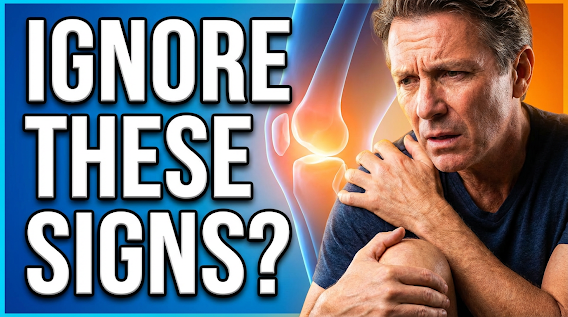
Early Signs of Bone and Joint Disorders You Shouldn’t Ignore

What Are Bone and Joint Disorders?

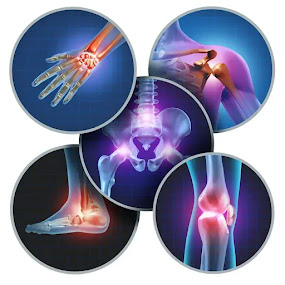
Bone and joint disorders affect the skeletal system, including bones, joints, ligaments, tendons, and muscles. Common conditions include arthritis, osteoporosis, ligament injuries, cartilage damage, and degenerative joint diseases.

These problems may start with mild symptoms but can worsen if left untreated.

Early Signs of Bone and Joint Disorders

1. Persistent Joint Pain

Occasional pain after activity is normal, but continuous or recurring joint pain is not. Pain in the knees, hips, shoulders, or back that lasts for weeks may indicate arthritis, cartilage wear, or joint inflammation.

👉 Do not ignore pain that:

  • Worsens with movement
  • Persists even at rest
  • Increases over time

2. Stiffness in Joints

Morning stiffness or stiffness after long periods of sitting is an early sign of joint disorders. If stiffness lasts more than 30 minutes regularly, it could be a sign of arthritis or early joint degeneration.

3. Swelling or Tenderness

Swelling around joints may indicate inflammation, injury, or infection. Tenderness when touching a joint is another warning sign that something isn’t right internally.

4. Reduced Range of Motion

Difficulty bending, straightening, or rotating a joint is a red flag. Reduced flexibility often points to cartilage damage, ligament issues, or joint degeneration.

5. Weakness in Bones or Joints

Feeling weak while standing, walking, or lifting objects may suggest muscle imbalance, nerve involvement, or weakening bones. This is especially common in osteoporosis and spinal disorders.

6. Cracking or Grinding Sounds

Occasional joint sounds are normal, but frequent cracking, popping, or grinding sounds with pain may indicate cartilage wear or joint damage.

7. Back or Neck Pain That Doesn’t Improve

Chronic back or neck pain could be an early sign of spine-related conditions such as disc problems, spondylosis, or poor spinal alignment.

8. Frequent Fractures or Bone Pain

Bones that fracture easily or persistent bone pain may indicate osteoporosis or bone density loss, especially in older adults and postmenopausal women.

9. Numbness or Tingling Sensation

Numbness, tingling, or radiating pain in the arms or legs may be related to nerve compression caused by spine or joint disorders.

Why You Shouldn’t Ignore These Symptoms

Ignoring early signs can lead to:

  • Permanent joint damage
  • Severe pain and disability
  • Reduced mobility
  • Need for complex surgeries
  • Poor quality of life

Early intervention can often be managed with medication, physiotherapy, lifestyle changes, or minimally invasive treatments.

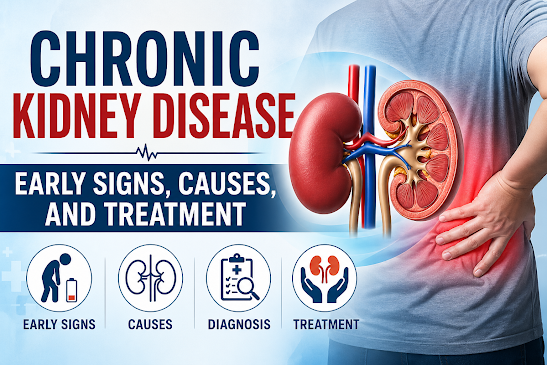
Chronic Kidney Disease: Early Signs, Causes, and Treatment

Chronic Kidney Disease (CKD) is a serious condition that develops when the kidneys gradually lose their ability to filter waste and excess fluids from the blood. Because symptoms often appear slowly, many people may not realize they have kidney disease until it has progressed. Understanding the early signs of chronic kidney disease, its causes, and available treatment options can help with early diagnosis and better management.

If you are searching for information about Chronic Kidney Disease treatmentCKD symptoms, or ways to protect kidney health, this guide covers everything you need to know.

What is Chronic Kidney Disease?

Chronic Kidney Disease is a long-term condition where the kidneys become damaged over time and cannot function properly. Healthy kidneys help:

  • Remove waste products from the blood
  • Balance body fluids
  • Control blood pressure
  • Support red blood cell production
  • Maintain bone health

When kidney function declines, waste can build up in the body and cause serious health complications.

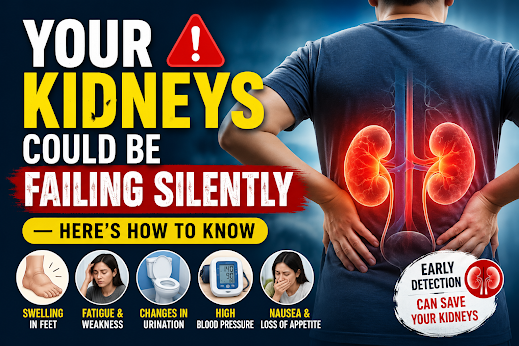
Early Signs of Chronic Kidney Disease

One of the biggest challenges with Chronic Kidney Disease is that symptoms may be mild in the beginning. However, some warning signs should not be ignored.

1. Fatigue and Weakness

Damaged kidneys may lead to toxin buildup and anemia, causing tiredness and low energy.

2. Swelling in Feet and Ankles

Fluid retention may cause swelling in the legs, feet, or around the eyes.

3. Changes in Urination

Watch for:

  • Frequent urination, especially at night
  • Foamy urine
  • Blood in urine
  • Reduced urine output

4. High Blood Pressure

Hypertension can both cause and worsen kidney disease.

5. Persistent Nausea

Waste buildup in the bloodstream can lead to nausea and poor appetite.

6. Difficulty Concentrating

Reduced kidney function may affect oxygen delivery and concentration.

7. Itchy Skin

Mineral imbalance can cause persistent skin itching.

What Causes Chronic Kidney Disease?

Several health conditions can contribute to CKD causes.

Diabetes

Type 2 Diabetes is one of the leading causes of kidney damage.

High Blood Pressure

Uncontrolled hypertension can damage kidney blood vessels over time.

Glomerulonephritis

Inflammation of the kidney filters can impair kidney function.

Polycystic Kidney Disease

Polycystic Kidney Disease is a genetic condition that can lead to kidney failure.

Recurrent Kidney Infections

Repeated infections may cause long-term kidney damage.

Kidney Stones and Obstructions

Kidney Stones can sometimes contribute to chronic kidney problems.

Risk Factors for Chronic Kidney Disease

You may have a higher risk if you have:

  • Diabetes
  • High blood pressure
  • Family history of kidney disease
  • Obesity
  • Heart disease
  • Smoking habits
  • Older age

Stages of Chronic Kidney Disease

Doctors classify CKD stages based on kidney filtration (GFR).

Stage 1

Mild kidney damage with normal kidney function.

Stage 2

Slight decline in kidney function.

Stage 3

Moderate kidney damage.

Stage 4

Severe kidney damage.

Stage 5

Kidney failure, also called end-stage renal disease.

How is Chronic Kidney Disease Diagnosed?

Diagnosis may include:

Blood Tests

Check:

  • Creatinine
  • Estimated GFR
  • Electrolytes

Urine Tests

Detect:

  • Protein in urine
  • Blood in urine

Imaging Tests

Ultrasound may help identify structural kidney problems.

Kidney Biopsy

Sometimes used to confirm certain conditions.

Chronic Kidney Disease Treatment Options

Treatment depends on the cause and stage.

1. Medications

Doctors may prescribe medicines to:

  • Control blood pressure
  • Manage diabetes
  • Reduce protein loss in urine
  • Treat anemia

2. Lifestyle Changes

Important changes include:

  • Low-salt diet
  • Reduced processed foods
  • Controlling blood sugar
  • Regular exercise
  • Stopping smoking
  • Staying hydrated as advised

3. Dialysis

For advanced kidney failure, dialysis may be needed.

Two major types include:

  • Hemodialysis
  • Peritoneal dialysis

4. Kidney Transplant

Kidney Transplant may be an option for some patients.

Can Chronic Kidney Disease Be Prevented?

Yes, early prevention can reduce risk.

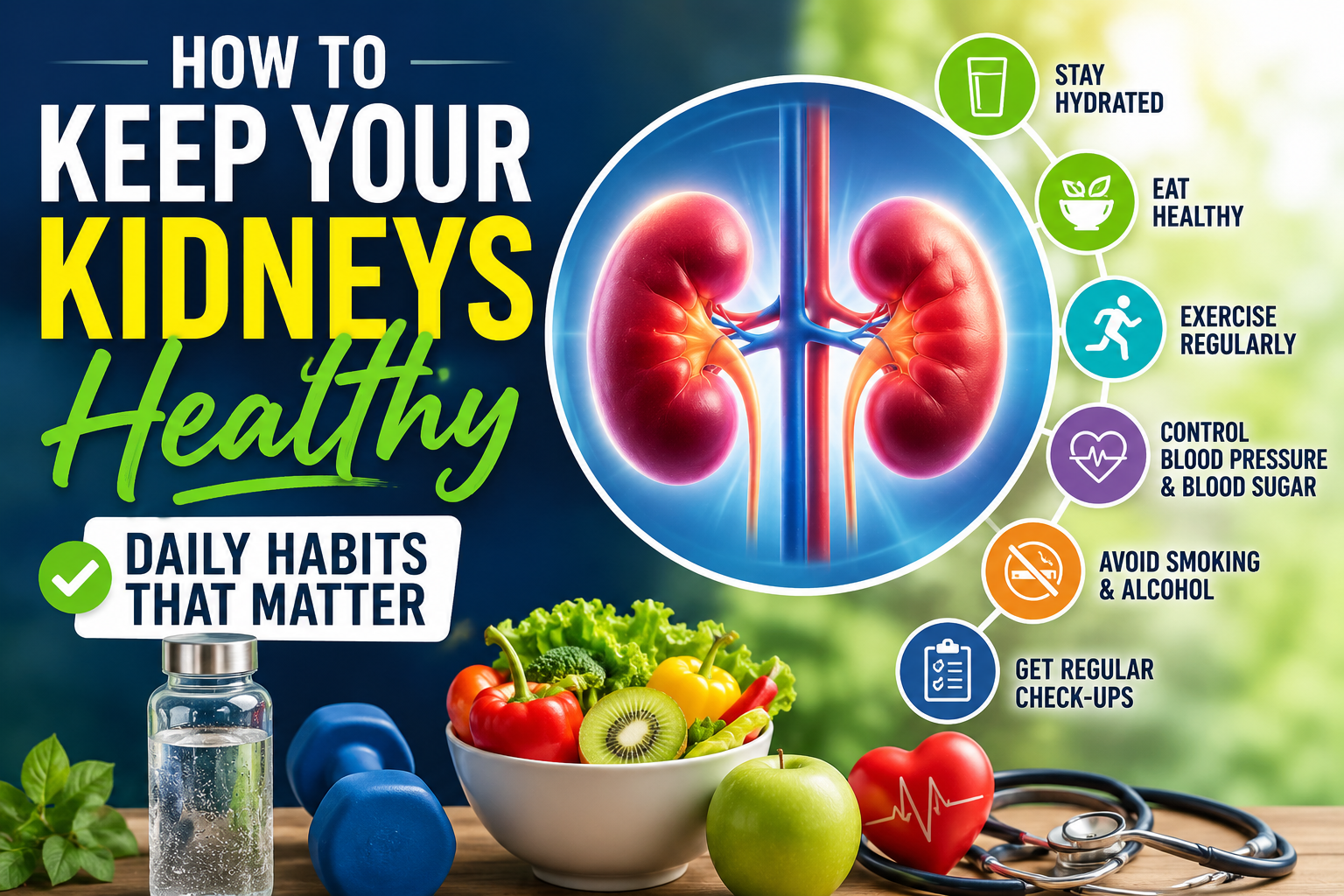
Protect Your Kidneys By:

  • Managing diabetes carefully
  • Monitoring blood pressure
  • Avoiding excessive painkiller use
  • Eating a kidney-friendly diet
  • Getting regular health checkups
  • Treating urinary infections early

Foods That Support Kidney Health

Helpful choices may include:

  • Fresh fruits (as advised)
  • Vegetables
  • Whole grains
  • Low-sodium foods
  • Lean proteins

A doctor or renal dietitian can guide a proper CKD diet.

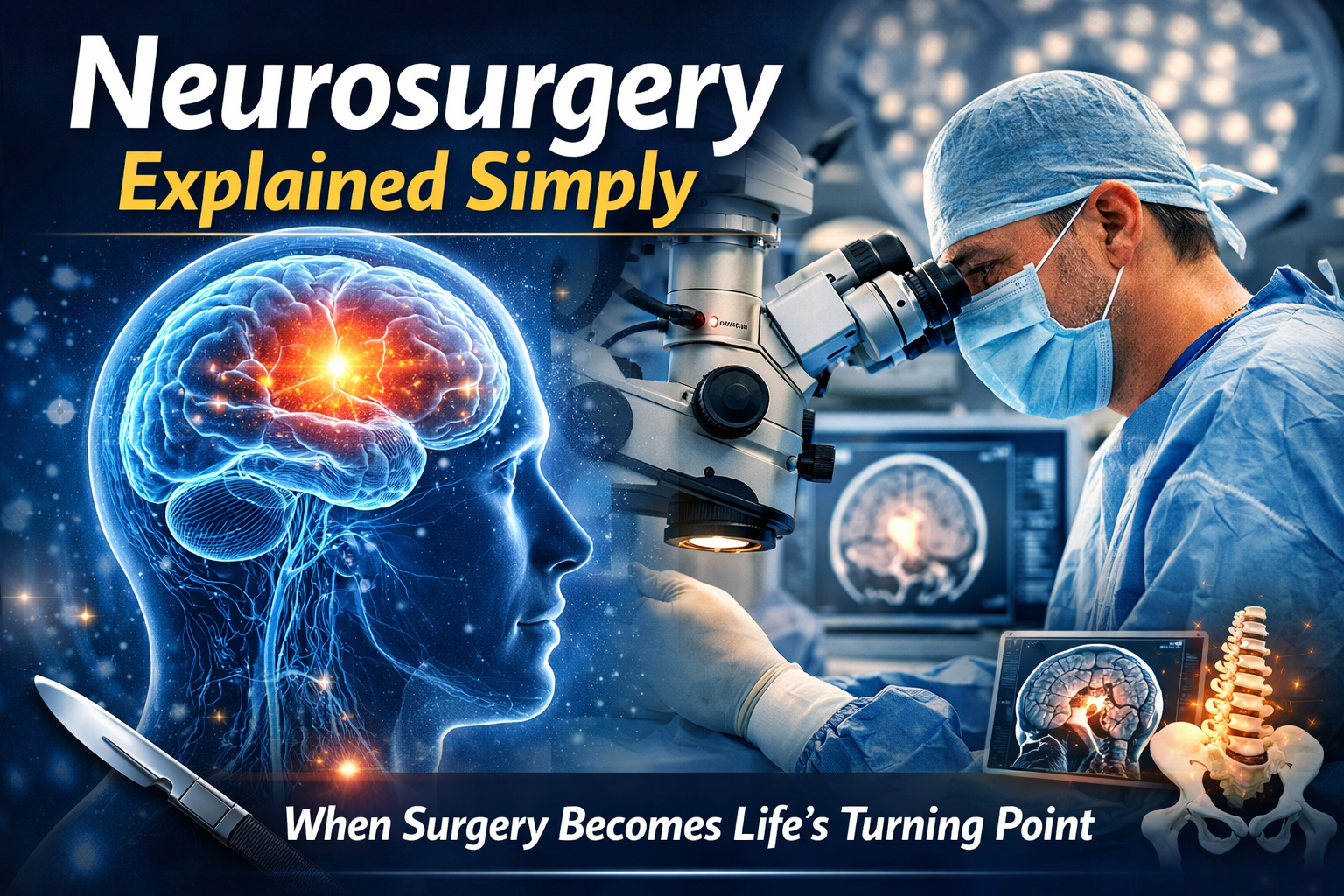
Neurosurgery Explained Simply: When Surgery Becomes Life’s Turning Point

Neurosurgery is one of the most advanced and life-saving branches of modern medicine. It deals with the diagnosis and surgical treatment of conditions affecting the brain, spine, and nervous system. For many patients, neurosurgery becomes a turning point that transforms severe illness into recovery and hope.

What is Neurosurgery?

Neurosurgery is a specialized field focused on treating disorders of the brain, spinal cord, and nerves. It is performed by highly trained neurosurgeons who manage both emergency and planned surgical cases.

It includes treatment for:

  • Brain injuries and trauma
  • Brain tumors
  • Spinal cord disorders
  • Stroke complications
  • Nerve compression problems
  • Congenital neurological conditions

When is Neurosurgery Needed?

Neurosurgery is recommended only when medications or non-surgical treatments are not enough. Some common situations include:

  • Severe head injury after accidents
  • Tumors in the brain or spine
  • Herniated disc causing nerve pain or weakness
  • Brain hemorrhage or stroke complications
  • Persistent seizures not controlled by medicines

Early diagnosis plays a major role in improving outcomes and preventing long-term damage.

How Neurosurgery is Performed Today

Modern neurosurgery is highly advanced and much safer than before. With new technologies, surgeries are more precise and minimally invasive.

Key advancements include:

  • Microsurgery for high precision
  • Endoscopic brain and spine procedures
  • Image-guided navigation systems
  • Minimally invasive spine surgery
  • Faster recovery techniques

These innovations help reduce pain, hospital stay, and recovery time.

Recovery After Neurosurgery

Recovery depends on the type of surgery and the patient’s condition. Most patients experience gradual improvement with proper care and rehabilitation.

Recovery may include:

  • Hospital observation for a few days
  • Physiotherapy for strength and mobility
  • Regular follow-up with the neurosurgeon
  • Medication for pain and healing support

With timely treatment and proper care, many patients return to normal life.

Why Neurosurgery is a Life Turning Point

Neurosurgery is not just a medical procedure—it is often a second chance at life. Patients suffering from severe neurological problems can regain mobility, speech, memory, and independence after successful surgery.

It brings:

  • Relief from chronic pain
  • Restoration of lost functions
  • Prevention of life-threatening complications
  • Improved quality of life

Kidney Stone Pain vs Back Pain – How to Tell the Difference?

Pain in the lower back is one of the most common health complaints. But what if that pain is not just a simple muscle strain? Many people confuse kidney stone pain with regular back pain, which can delay proper treatment. Understanding the difference can help you take the right action at the right time.

What is Kidney Stone Pain?

Kidney stones are hard mineral deposits that form in the kidneys. When they move through the urinary tract, they can cause severe and sharp pain, often referred to as renal colic.

Key Characteristics of Kidney Stone Pain:

  • Sudden and intense pain
  • Usually starts in the side or back (below ribs)
  • Pain may radiate to the lower abdomen and groin
  • Comes in waves (pain increases and decreases)
  • Often accompanied by nausea, vomiting, or sweating

What is Regular Back Pain?

Back pain is usually related to muscle strain, poor posture, or spinal issues. It is far more common and typically less severe than kidney stone pain.

Key Characteristics of Back Pain:

  • Dull, aching, or stiffness in the lower back
  • Pain worsens with movement, bending, or lifting
  • Usually stays in one place (does not radiate)
  • Improves with rest, massage, or pain relief gels

Kidney Stone Pain vs Back Pain: Key Differences

FeatureKidney Stone PainBack Pain
Pain TypeSharp, stabbingDull, aching
LocationSide/back, below ribsLower back
RadiationMoves to abdomen/groinUsually stays local
Pain PatternComes in wavesConstant or activity-related
ReliefNo relief with restImproves with rest
Other SymptomsNausea, vomiting, blood in urineUsually no other symptoms

Warning Signs It Could Be a Kidney Stone ⚠️

If your pain includes the following symptoms, it may be more than just back pain:

  • Burning sensation while urinating
  • Blood in urine (pink, red, or brown color)
  • Frequent urge to urinate
  • Fever and chills (possible infection)
  • Severe pain that doesn’t improve

When Should You See a Doctor?

You should consult a doctor immediately if:

  • Pain is sudden and unbearable
  • You notice blood in urine
  • You have fever with pain
  • Pain spreads to the groin area
  • Home remedies are not helping

Diagnosis: How Doctors Confirm the Cause

To differentiate between kidney stone pain and back pain, doctors may recommend:

  • Ultrasound scan
  • CT scan
  • Urine test
  • Blood tests

These tests help confirm the presence, size, and location of kidney stones.

Treatment Options for Kidney Stones

Treatment depends on the size and severity:

  • Small stones: Drink plenty of water, medications
  • Moderate stones: Medical therapy
  • Large stones: Laser treatment or minimally invasive surgery

Tips to Prevent Kidney Stones

  • Drink at least 2–3 liters of water daily
  • Reduce salt and processed foods
  • Avoid excessive intake of oxalate-rich foods (spinach, nuts)
  • Maintain a healthy lifestyle

 How Poor Sleep Affects Heart Health: Hidden Risks You Shouldn’t Ignore

Sleep is not just rest—it’s a vital process that supports your body’s recovery, especially your heart. Poor sleep habits are increasingly linked to serious cardiovascular issues, making it essential to understand how sleep impacts heart health and what risks you may be overlooking.

 Why Sleep is Essential for Heart Health

During sleep, your body regulates blood pressure, heart rate, and stress hormones. Consistent sleep deprivation disrupts these processes, increasing strain on the heart and blood vessels. Over time, this can lead to long-term damage and reduced cardiovascular efficiency.

 Hidden Risks of Poor Sleep

1. Increased Risk of Hypertension

Lack of quality sleep can lead to high blood pressure, as the body fails to relax and reset overnight. Persistent elevation increases the risk of heart attack and stroke.

2. Higher Chances of Heart Disease

People with irregular sleep patterns are more prone to developing cardiovascular disease, including coronary artery problems and heart failure.

3. Impact on Blood Sugar Levels

Poor sleep affects insulin sensitivity, increasing the risk of diabetes and heart health complications, which directly burden the cardiovascular system.

4. Weight Gain and Obesity

Sleep loss alters hunger hormones, leading to overeating and obesity risk factors, which significantly contribute to heart-related conditions.

5. Increased Stress and Inflammation

Insufficient rest raises cortisol levels and promotes chronic inflammation, both of which damage blood vessels and increase cardiac risk.

The Connection Between Sleep Disorders and the Heart

Conditions like insomnia and sleep apnea are strongly linked with sleep disorders and heart health. Sleep apnea, in particular, causes repeated interruptions in breathing, lowering oxygen levels and putting immense strain on the heart.

 Signs Your Sleep is Affecting Your Heart

  • Constant fatigue or daytime drowsiness

  • Irregular heartbeat or palpitations

  • Morning headaches

  • Difficulty concentrating

  • Increased blood pressure levels

Tips to Improve Sleep for Better Heart Health

  • Maintain a consistent sleep schedule

  • Avoid caffeine before bedtime

  • Create a calm sleeping environment

  • Limit screen time at night

  • Practice relaxation techniques like meditation

 When to Seek Medical Help

If you experience persistent sleep issues or symptoms related to heart problems, consult healthcare experts. Early intervention can prevent serious complications. Visit our KHIMS Hospitals for expert guidance and advanced care.

Conclusion

Poor sleep is a silent threat that gradually damages your heart. Ignoring sleep issues can lead to serious long-term health complications. Prioritizing rest is essential for a healthy life.

Improving sleep habits can significantly reduce cardiovascular risks. Simple lifestyle changes can protect your heart and enhance overall well-being.

 Top 10 Lifestyle Changes to Keep Your Heart Healthy After 40

As you cross 40, your heart needs extra care due to natural metabolic and hormonal changes. Adopting the right daily habits can significantly reduce the risk of cardiovascular disease and improve longevity. Below are the most effective lifestyle changes recommended by experts for maintaining long-term cardiac wellness.

1. Follow a Heart-Friendly Diet

A balanced plate rich in fruits, vegetables, whole grains, lean proteins, and healthy fats supports heart health. Reducing sodium, processed foods, and refined sugar helps control blood pressure and cholesterol levels naturally.

2. Stay Physically Active Every Day

Regular exercise improves circulation, strengthens the heart muscle, and maintains healthy body weight. Brisk walking, cycling, swimming, or yoga for at least 30 minutes daily is ideal after midlife.

3. Manage Stress Effectively

Chronic stress raises cortisol levels, increasing heart strain. Practicing meditation, deep breathing, or mindfulness reduces emotional pressure and supports cardiovascular balance.

4. Prioritize Quality Sleep

Poor sleep affects blood sugar regulation and increases inflammation. Aim for 7–8 hours of uninterrupted rest to help the heart recover and function efficiently.

5. Maintain a Healthy Body Weight

Excess weight places additional pressure on the heart. Gradual weight management through diet and activity lowers the risk of hypertension and metabolic disorders.

6. Quit Smoking and Limit Alcohol

Smoking damages blood vessels, while excessive alcohol raises triglycerides. Eliminating tobacco and moderating alcohol intake significantly lowers heart attack risk.

7. Monitor Blood Pressure Regularly

High blood pressure often shows no symptoms but causes silent heart damage. Routine monitoring ensures early detection and timely lifestyle correction.

8. Control Blood Sugar Levels

Uncontrolled glucose damages arteries and accelerates heart disease. Balanced meals and regular checkups help prevent diabetes-related complications.

9. Schedule Preventive Health Checkups

Routine screenings help identify risk factors early. Timely medical guidance can prevent serious cardiac events and promote preventive cardiology.

10. Stay Socially and Mentally Active

Strong social connections and mental engagement reduce depression and improve overall heart resilience as you age.

Conclusion

Making small but consistent lifestyle adjustments after 40 can greatly improve heart strength and overall vitality. Prevention is always more effective than treatment when it comes to cardiac care.

Regular monitoring, healthy habits, and timely medical support together form the foundation of a strong heart. Visit our KHIMS Hospitals for expert cardiac guidance and preventive care.

గుండె ఆరోగ్యాన్ని కాపాడుకోవడానికి రోజువారీ అలవాట్లు

మన గుండె మన జీవితానికి ఇంజిన్ లాంటిది. గుండె ఆరోగ్యంగా ఉంటేనే మనం చురుకుగా, ఉత్సాహంగా జీవించగలం. కానీ నేటి జీవనశైలి, ఆహారపు అలవాట్లు, ఒత్తిడి కారణంగా గుండె సంబంధిత సమస్యలు రోజురోజుకీ పెరుగుతున్నాయి. అయితే కొన్ని చిన్న కానీ కీలకమైన రోజువారీ అలవాట్లు పాటిస్తే గుండె ఆరోగ్యాన్ని కాపాడుకోవచ్చు.

1️⃣ ఆరోగ్యకరమైన ఆహారం తీసుకోవాలి

గుండె ఆరోగ్యానికి ఆహారం చాలా ముఖ్యమైన పాత్ర పోషిస్తుంది.

  • పండ్లు, కూరగాయలు, ఆకుకూరలు ఎక్కువగా తినాలి
  • తక్కువ నూనె, తక్కువ ఉప్పు ఉన్న ఆహారాన్ని ఎంచుకోవాలి
  • ఫాస్ట్ ఫుడ్, బేకరీ ఐటమ్స్, ప్యాకెట్ ఫుడ్స్‌ను వీలైనంత తగ్గించాలి
  • చేపలు, గింజలు, వేరుశనగలు వంటి ఒమెగా-3 ఫ్యాటీ యాసిడ్స్ ఉన్న ఆహారం మంచిది

2️⃣ రోజూ కొంత సమయం వ్యాయామానికి కేటాయించాలి

రోజూ కనీసం 30 నిమిషాలు నడక, యోగా లేదా లైట్ ఎక్సర్సైజ్ చేయడం వల్ల గుండె బలంగా ఉంటుంది.

  • రక్త ప్రసరణ మెరుగుపడుతుంది
  • కొలెస్ట్రాల్ నియంత్రణలో ఉంటుంది
  • గుండెపోటు ప్రమాదం తగ్గుతుంది

3️⃣ పొగ త్రాగడం & మద్యం దూరంగా ఉంచాలి

పొగ త్రాగడం గుండెకు అతిపెద్ద శత్రువు.

  • రక్తనాళాల్లో బ్లాకేజెస్ పెరుగుతాయి
  • గుండెపోటు వచ్చే అవకాశం ఎక్కువ అవుతుంది
    మద్యం కూడా పరిమితికి మించి తీసుకుంటే గుండెపై చెడు ప్రభావం చూపుతుంది.

4️⃣ ఒత్తిడిని (స్ట్రెస్) నియంత్రించాలి

ఎక్కువ ఒత్తిడి రక్తపోటును పెంచి గుండెపై భారాన్ని పెడుతుంది.

  • ధ్యానం, ప్రాణాయామం చేయండి
  • సరిపడా విశ్రాంతి తీసుకోండి
  • మీకు ఇష్టమైన పనులకు సమయం కేటాయించండి

5️⃣ సరిపడ నిద్ర అవసరం

రోజుకు 7–8 గంటల నిద్ర గుండె ఆరోగ్యానికి చాలా అవసరం.
తక్కువ నిద్ర వల్ల

  • రక్తపోటు పెరుగుతుంది
  • గుండె జబ్బుల ప్రమాదం అధికమవుతుంది

6️⃣ బరువు & షుగర్ నియంత్రణలో ఉంచాలి

అధిక బరువు, డయాబెటిస్ ఉన్నవారిలో గుండె సమస్యలు ఎక్కువగా కనిపిస్తాయి.

  • BMI ని నియంత్రించాలి
  • బ్లడ్ షుగర్, బీపీని క్రమం తప్పకుండా చెక్ చేయించాలి

7️⃣ క్రమం తప్పకుండా గుండె పరీక్షలు చేయించుకోవాలి

లక్షణాలు లేకపోయినా కూడా

  • ECG
  • ECHO
  • లిపిడ్ ప్రొఫైల్ వంటి పరీక్షలు చేయించుకోవడం మంచిది.
    ఇవి గుండె సమస్యలను ముందుగానే గుర్తించడంలో సహాయపడతాయి.

హై బీపీ మీ గుండెపై చూపే ప్రభావం

ఈరోజుల్లో చాలామంది ఎదుర్కొంటున్న ప్రధాన ఆరోగ్య సమస్యల్లో హై బీపీ (High Blood Pressure) ఒకటి. చాలామందికి ఎలాంటి లక్షణాలు లేకుండానే ఇది గుండెను నెమ్మదిగా దెబ్బతీస్తుంది. అందుకే దీనిని “సైలెంట్ కిల్లర్” అని అంటారు.

హై బీపీ అంటే ఏమిటి?

రక్తం ధమనుల్లో సాధారణం కంటే ఎక్కువ ఒత్తిడితో ప్రవహించడాన్ని హై బీపీ అంటారు. ఈ ఒత్తిడి ఎక్కువ కాలం కొనసాగితే, గుండెపై తీవ్రమైన ప్రభావం చూపుతుంది.

హై బీపీ గుండెపై ఎలా ప్రభావం చూపుతుంది?

1. గుండె ఎక్కువగా పని చేయాల్సి వస్తుంది

బీపీ ఎక్కువగా ఉన్నప్పుడు రక్తాన్ని పంపేందుకు గుండె ఎక్కువ శక్తి ఉపయోగించాలి. దీనివల్ల గుండె కండరాలు మందంగా మారుతాయి.

2. గుండె విస్తరించడం (Heart Enlargement)

నిరంతరం అధిక ఒత్తిడితో పని చేయడం వల్ల గుండె పరిమాణం పెరుగుతుంది. దీని వల్ల గుండె సమర్థవంతంగా పని చేయలేకపోతుంది.

3. హార్ట్ అటాక్ ప్రమాదం పెరుగుతుంది

హై బీపీ వల్ల రక్తనాళాల్లో కొవ్వు పేరుకుపోయి బ్లాకేజ్ ఏర్పడుతుంది. ఇది హార్ట్ అటాక్‌కు దారి తీస్తుంది.

4. హార్ట్ ఫెయిల్యూర్‌కు కారణం

గుండె బలహీనపడితే శరీరానికి సరిపడా రక్తాన్ని పంపలేకపోతుంది. దీన్నే హార్ట్ ఫెయిల్యూర్ అంటారు.

5. గుండె రిదమ్ లోపాలు

హై బీపీ వల్ల గుండె కొట్టుకునే రీతిలో మార్పులు వస్తాయి. ఇది మూర్ఛ, అలసట వంటి సమస్యలకు కారణమవుతుంది.

హై బీపీ ఉన్నవారిలో కనిపించే లక్షణాలు

  • తరచూ తలనొప్పి
  • తల తిరగడం
  • ఛాతీలో అసౌకర్యం
  • శ్వాస తీసుకోవడంలో ఇబ్బంది
  • ఎక్కువ అలసట

⚠️ చాలా మందిలో లక్షణాలు లేకపోవచ్చు.

హై బీపీ వల్ల వచ్చే ఇతర ప్రమాదాలు

  • స్ట్రోక్
  • కిడ్నీ సమస్యలు
  • కంటి చూపు తగ్గడం
  • మెదడు నాళాల దెబ్బతినడం

హై బీపీని నియంత్రించుకోవడం ఎలా?

జీవనశైలి మార్పులు

  • ఉప్పు తక్కువగా తీసుకోవాలి
  • రోజూ నడక లేదా వ్యాయామం చేయాలి
  • పొగతాగడం, మద్యం మానాలి
  • ఒత్తిడిని తగ్గించుకోవాలి
  • బరువును నియంత్రించాలి

డాక్టర్‌ను ఎప్పుడు కలవాలి?

  • బీపీ తరచూ ఎక్కువగా ఉంటే
  • ఛాతి నొప్పి లేదా శ్వాస ఇబ్బంది ఉంటే
  • కుటుంబంలో గుండె జబ్బుల చరిత్ర ఉంటే

How Your Digestive System Affects Immunity and Overall Wellness

The human body works as an interconnected system, and gut health plays a crucial role in maintaining overall wellness. Your digestive system does more than process food—it strongly influences immunity, energy levels, and long-term health. Understanding this connection helps in preventing illness and improving quality of life.

The Digestive System: More Than Digestion

The digestive tract breaks down food, absorbs nutrients, and eliminates waste. During this process, it also supports the immune system by acting as a protective barrier against harmful microorganisms. Nearly 70% of immune cells reside in the gut, making digestion central to body defense.

Gut Health and Immunity Connection

A healthy gut contains beneficial bacteria known as gut microbiome, which helps regulate immune responses. These bacteria prevent the growth of pathogens, reduce inflammation, and improve resistance to infections. Poor digestion can weaken immunity and increase disease risk.

Role of Nutrient Absorption

Efficient digestion ensures proper nutrient absorption, supplying vitamins, minerals, and antioxidants required for immune cell production. Deficiencies caused by digestive issues can result in fatigue, frequent infections, and slow recovery.

Digestive Health and Inflammation

An unhealthy gut may lead to chronic inflammation, which negatively impacts overall wellness. Inflammation can contribute to lifestyle disorders, joint pain, and reduced immunity. Balanced digestion helps maintain internal harmony.

How Lifestyle Affects Digestive Wellness

Several daily habits influence digestive performance:

  • Eating a balanced diet rich in fiber

  • Staying hydrated

  • Managing stress levels

  • Getting adequate sleep

  • Limiting processed foods

These practices promote gut balance and immune strength.

Signs Your Digestive System Needs Attention

Watch for symptoms such as bloating, irregular bowel movements, acidity, or frequent illness. These may indicate poor digestive health affecting immunity.

Supporting Digestive Health Naturally

Simple steps to support digestion include consuming probiotics, regular physical activity, and mindful eating. Medical guidance can further improve gut-related conditions and immune resilience.

When to Consult a Specialist

Persistent digestive problems may require professional evaluation. Expert care ensures accurate diagnosis and effective management to restore wellness. Visit our Khims Hospitals Khammam for comprehensive digestive and immune health support.

Conclusion

Your digestive system is a cornerstone of immunity and wellness. Maintaining digestive balance strengthens the body’s natural defenses and improves daily health.

Prioritizing gut health through proper nutrition and lifestyle choices leads to long-term vitality and disease prevention.

పిల్లల్లో కిడ్నీ సమస్యలు: చిన్న సంకేతాలు, పెద్ద ప్రమాదం – తల్లిదండ్రులు తప్పక తెలుసుకోవాలి!

పిల్లలలో కిడ్నీ సమస్యలు సాధారణంగా కనిపించకపోయినా, ఒకసారి ప్రారంభమైన తర్వాత వేగంగా పెరుగుతాయి. చిన్న లక్షణాలే పెద్ద సమస్యలకు సంకేతాలు కావచ్చు. అందుకే తల్లిదండ్రులు ఈ విషయాలను తెలుసుకొని ముందే అప్రమత్తంగా ఉండటం చాలా అవసరం.

పిల్లల్లో కిడ్నీ సమస్యలకు ప్రధాన కారణాలు

1. ఇన్ఫెక్షన్లు (UTI – మూత్ర మార్గ ఇన్ఫెక్షన్)

పిల్లల్లో చాలా సాధారణంగా కనిపించే సమస్య. ముఖ్యంగా అమ్మాయిల్లో ఎక్కువగా ఉంటుంది.
• తరచూ మూత్రం పోవడం
• మూత్రం వేయేటప్పుడు నొప్పి

2. పుట్టుకతో వచ్చే కిడ్నీ మార్పులు (Congenital Defects)

కొంతమంది పిల్లల్లో కిడ్నీలు సరిగా అభివృద్ధి చెందకపోవచ్చు.
• Hydronephrosis
• Reflux సమస్యలు

3. నీళ్లు తక్కువగా తాగడం

డీహైడ్రేషన్ వల్ల కిడ్నీలు సరిగా పనిచేయవు. వేసవికాలంలో ఇది ఎక్కువగా కనిపిస్తుంది.

4. అధిక ఉప్పు లేదా జంక్ ఫుడ్

ప్యాకేజ్డ్ ఫుడ్స్, చిప్స్, సాఫ్ట్‌డ్రింక్స్ — ఇవన్నీ కిడ్నీపై ఒత్తిడి పెంచుతాయి.

5. తరచూ జ్వరాలు & ఇమ్మ్యూన్ సమస్యలు

కొన్ని ఇమ్మ్యూన్ సంబంధిత వ్యాధులు కిడ్నీపై ప్రభావం చూపుతాయి.
• Nephrotic syndrome
• Glomerulonephritis

పిల్లల్లో కనిపించే ముఖ్య లక్షణాలు (Warning Signs)

✔ కాళ్లు, ముఖం లేదా కళ్ల చుట్టూ వాపు
✔ మూత్రం రంగు గాఢంగా రావడం
✔ మూత్రంలో రక్తపు చారలు
✔ తరచూ జ్వరాలు
✔ ఆకలి తగ్గడం
✔ బరువు పెరగకపోవడం
✔ మూత్రం చెడు వాసనతో రావడం
✔ కడుపు నొప్పి, వాంతులు

ఈ లక్షణాలు చిన్న సమస్య అనిపించినా, ఇవి కిడ్నీ సమస్యలకు స్పష్టమైన హెచ్చరికలు కావచ్చు.

తల్లిదండ్రులు తప్పక పాటించాల్సిన జాగ్రత్తలు

1. పిల్లలకు తగినంత నీరు ఇవ్వండి

రోజుకి కనీసం 5–6 గ్లాసుల నీరు తాగాలి (వయసు ఆధారంగా).

2. హైజీన్‌ను కచ్చితంగా పాటించండి

బాత్రూమ్ హైజీన్, సరిగ్గా శుభ్రం చేసుకోవడం UTI ని తగ్గిస్తుంది.

3. జంక్ ఫుడ్ తగ్గించండి

ఉప్పు, చక్కెర, సోడాలు తగ్గిస్తే కిడ్నీలు ఆరోగ్యంగా ఉంటాయి.

4. బాలుని మూత్రపు అలవాట్లను గమనించండి

మూత్రం ఎక్కువగా వెళ్లడం / లేకపోవడం రెండు కూడా సమస్యలకు సంకేతం.

5. పిల్లలకు అన్ని పరీక్షలు చేయించండి (Check-ups)

పార్వాడికల్ కిడ్నీ స్క్రీనింగ్, మూత్ర పరీక్ష, రక్తపరీక్ష అవసరమయ్యే సందర్భాలు ఉంటాయి.

చికిత్స ఎప్పుడు అవసరం?

• లక్షణాలు 2–3 రోజులకు పైగా కొనసాగితే
• వాపు వేగంగా పెరిగితే
• మూత్రంలో రక్తం గమనిస్తే
• పదేపదే UTI వస్తే

వెంటనే నెఫ్రాలజిస్ట్‌ను సంప్రదించడం చాలా ముఖ్యం.

పిల్లల కిడ్నీలను కాపాడటం – తల్లిదండ్రుల చేతుల్లోనే!

చిన్న జాగ్రత్తలు పిల్లల భవిష్యత్తు ఆరోగ్యాన్ని రక్షిస్తాయి. సమయానికి పరీక్షలు, సరైన చికిత్స, మంచి అలవాట్లు — ఇవన్నీ కిడ్నీ ఆరోగ్యానికి రక్షణగోడలా పనిచేస్తాయి.