
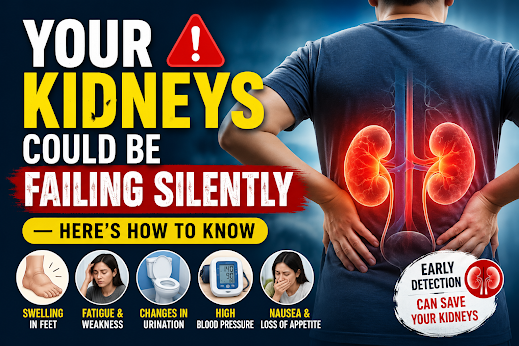
Your kidneys work quietly every single day. They filter waste, balance fluids, control blood pressure, support healthy bones, and help your body function properly. The surprising part is this — kidney disease often develops silently. Many people do not notice symptoms until significant damage has already happened.
That is why kidney disease is often called a “silent killer.”
Understanding the early warning signs can help detect problems sooner and prevent serious complications later.
Why Kidney Problems Often Go Unnoticed
Unlike some illnesses that cause immediate pain or discomfort, kidney disease usually develops slowly. In the early stages, the body may continue functioning almost normally even when the kidneys are under stress.
Many people mistake early symptoms for:
- Tiredness from work
- Lack of sleep
- Dehydration
- Stress
- Aging
Because of this, kidney problems are often ignored until they become severe.
Early Warning Signs Your Kidneys May Be Struggling
1. Swelling in Feet, Ankles, or Face
Healthy kidneys remove extra salt and fluid from the body. When they are not functioning properly, fluid can build up and cause swelling.
You may notice:
- Puffy feet
- Swollen ankles
- Facial puffiness, especially in the morning
- Tight shoes or rings
2. Constant Fatigue and Weakness
Kidneys help produce a hormone that supports red blood cell production. Damaged kidneys can lead to anemia, making you feel:
- Weak
- Tired all the time
- Low on energy
- Unable to concentrate
3. Changes in Urination
Your urine can reveal early kidney problems.
Watch for:
- Frequent urination, especially at night
- Foamy urine
- Blood in urine
- Dark-colored urine
- Reduced urine output
- Burning sensation while urinating
4. High Blood Pressure
High blood pressure and kidney disease are closely connected. Uncontrolled BP can damage kidneys, and damaged kidneys can raise blood pressure further.
Persistent high BP should never be ignored.
5. Loss of Appetite and Nausea
As waste products build up in the body, some people experience:
- Nausea
- Vomiting
- Metallic taste in the mouth
- Poor appetite
These symptoms may appear gradually.
6. Persistent Itching
Kidney dysfunction can disturb mineral and toxin balance in the body, leading to dry or itchy skin.
Frequent unexplained itching may sometimes point toward kidney issues.
7. Shortness of Breath
Fluid buildup caused by kidney problems may affect the lungs, making breathing difficult. Anemia linked to kidney disease can also contribute to breathlessness.
Who Is at Higher Risk?
Some people are more likely to develop kidney disease, including those with:
- Diabetes
- High blood pressure
- Obesity
- Family history of kidney disease
- Smoking habits
- Frequent painkiller usage
- Heart disease
Regular checkups are especially important for these groups.
Simple Tests That Help Detect Kidney Problems Early
Kidney disease can often be detected with simple tests such as:
- Blood pressure check
- Creatinine blood test
- Urine routine examination
- eGFR test
- Ultrasound scan if needed
Early detection can slow or even prevent further kidney damage.
How to Protect Your Kidneys
Simple lifestyle changes can make a big difference:
- Drink enough water
- Control diabetes and BP
- Reduce excess salt intake
- Avoid smoking
- Exercise regularly
- Avoid unnecessary painkiller use
- Get regular health checkups
Don’t Ignore the Silent Signals
Your kidneys may not show obvious symptoms in the beginning, but your body often gives subtle warning signs. Recognizing them early can help prevent serious complications, dialysis, or kidney failure later.
If you notice swelling, unusual tiredness, urinary changes, or uncontrolled BP, consult a kidney specialist for evaluation.
Early care can protect your kidneys for years to come.