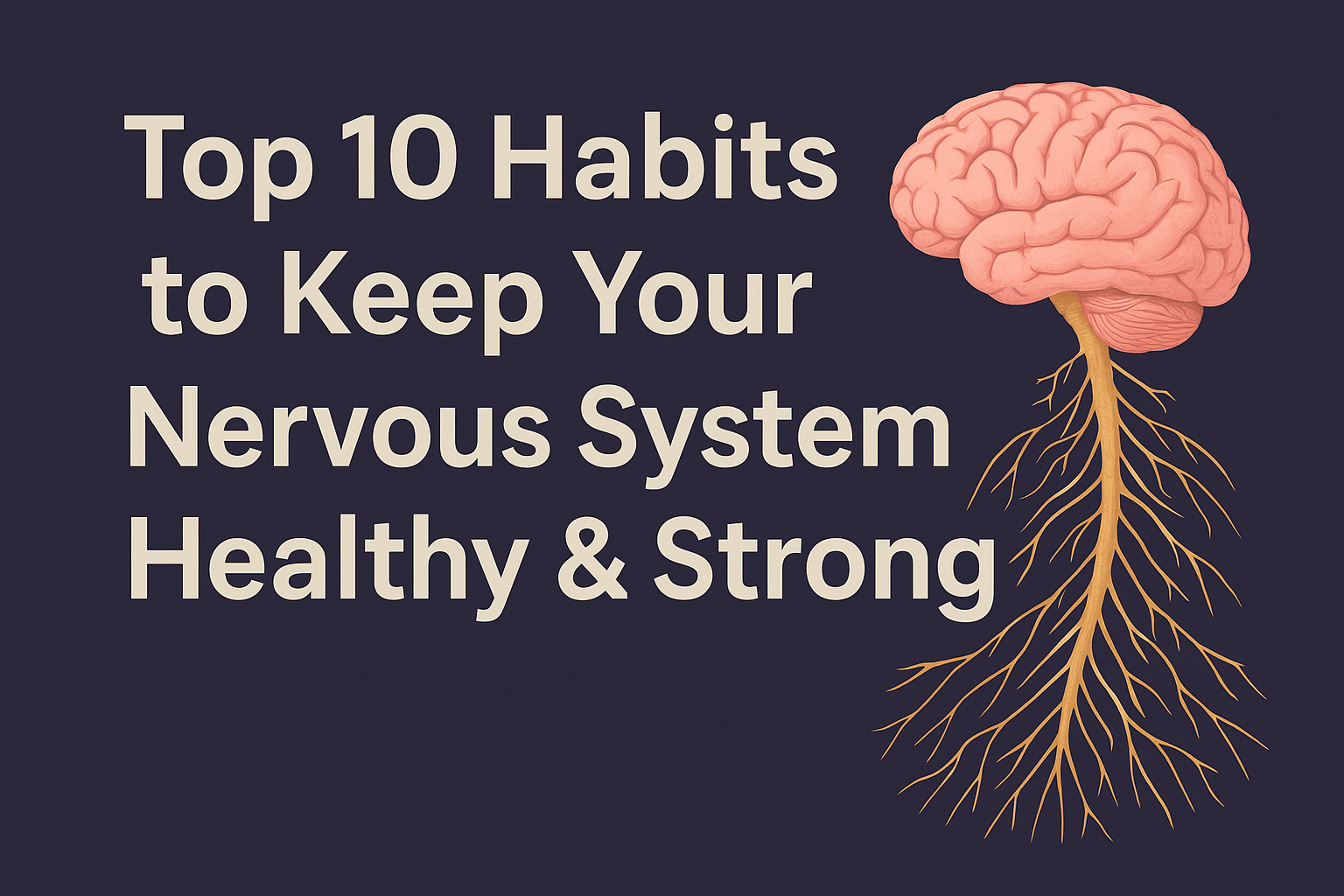
Top 10 Habits to Keep Your Nervous System Healthy & Strong

Your nervous system controls everything your body does—from breathing and digestion to memory, mood, and movement. Keeping it healthy ensures sharper thinking, faster reactions, balanced emotions, and long-term brain protection. Many people focus only on physical fitness, but neglecting your nerve health can lead to fatigue, stress, poor concentration, and chronic disorders. By following daily habits that nourish the brain, spinal cord, and peripheral nerves, you can build a stronger foundation for lifelong wellbeing.

1. Prioritize Quality Sleep

High-quality sleep restores nerve tissues and balances brain chemicals.

Tips for better sleep:

  • Maintain a consistent bedtime
  • Avoid screens 1 hour before sleep
  • Keep your room cool and dark
  • Use relaxation breathing

Even small improvements in sleep habits can dramatically enhance nerve repair and cognitive clarity.

2. Stay Hydrated for Smooth Nerve Signaling

Water supports electrical conduction along nerve pathways. Dehydration slows reflexes and affects mood stability.

Try drinking:

  • Morning warm water
  • Herbal infusions
  • Coconut water
  • Fresh fruit-based hydration

Consistent hydration also helps remove toxins that burden nerve cells.

3. Eat a Nerve-Friendly Diet

Your nervous system relies on nutrients to build and protect neurons.

Add these foods daily:

  • Almonds
  • Avocado
  • Seeds
  • Lean protein
  • Bright-colored vegetables

Nutrient-rich meals improve memory retention, coordination, and long-term neurological resilience.

4. Practice Daily Movement

Physical activity increases oxygen supply to the brain and activates nerve regeneration.

Best movements for nerve health:

  1. Yoga to reduce stress
  2. Cycling for endurance
  3. Pilates for spine strength
  4. Swimming for full-body neurological activation

Movement also releases feel-good chemicals that improve mood and mental focus.

5. Manage Stress Effectively

Long-term stress affects nerve insulation and disrupts brain communication.

Effective stress-relief methods include:

  • Guided meditation
  • Slow breathing
  • Coloring therapy
  • Nature walking
  • Journaling

Calming the mind protects nerve pathways from burnout.

6. Protect Your Spine

The spine is the communication channel of the nervous system. Poor posture compresses nerves and leads to pain or numbness.

Spine-friendly habits:

  • Adjust chair height
  • Keep screens at eye level
  • Avoid crossing legs
  • Stretch every 45–60 minutes

A healthy spine ensures faster and clearer nerve signals.

7. Limit Toxins & Stimulants

Alcohol, tobacco, and excessive caffeine interfere with nerve messaging. Reducing stimulants allows your nervous system to function smoothly and recover faster.

8. Strengthen Your Mental Fitness

Mental exercises stimulate neuroplasticity—the brain’s ability to form new connections.

Try:

  • Memory games
  • Problem-solving tasks
  • Reading complex topics
  • Listening to educational audio

Challenging the brain builds sharper thinking and prevents age-related decline.

9. Maintain Healthy Blood Sugar Levels

Unstable blood sugar can damage nerve endings.

Ways to stabilize:

  • Eat every 3–4 hours
  • Choose slow-release carbohydrates
  • Add fiber-rich vegetables
  • Avoid energy drinks

Balanced sugar levels protect your nerves from long-term complications.

10. Prioritize Regular Medical Check-ups

Routine check-ups help detect early signs of neuropathy, vitamin deficiencies, or nerve compression issues. Early treatment prevents progression and protects your overall neurological function.

Conclusion

Healthy nerves create a powerful foundation for energy, clarity, emotional control, and physical balance. By nurturing sleep, diet, posture, and stress levels, you strengthen the entire neurological system day by day.

Small lifestyle habits lead to big improvements. With mindful choices, you can support neuron growth, reduce inflammation, boost concentration, and maintain long-term nervous system vitality.

Visit Our Khims Hospital Khammam for complete neurological evaluation, nerve care treatments, and expert support for long-term wellness.

How to Improve Gut Health Naturally: Diet, Lifestyle & Daily Habits

A healthy digestive system plays a major role in overall wellness, immunity, and daily comfort. Many people struggle with bloating, acidity, constipation, or indigestion, which often connect to poor habits. Improving gut function naturally is possible through mindful food choices and small lifestyle changes.

Understanding Gut Health

Your gut contains millions of beneficial bacteria that help digestion, nutrient absorption, and immune strength. An imbalance in this microbiome may lead to issues like irritable bowel, fatigue, or skin problems. Supporting these good bacteria is essential for long-term wellness.

Diet Tips to Boost Gut Health Naturally

1. Add Fiber-Rich Foods

Fiber improves bowel movement and feeds healthy bacteria. Include whole grains, lentils, fruits, vegetables, and seeds to maintain regularity and reduce inflammation.

2. Eat Probiotic-Rich Foods

Probiotics help restore the microbiome. Add curd, kefir, fermented vegetables, and buttermilk. These foods support easy digestion and reduce acidity.

3. Choose Prebiotic Foods

Prebiotics act as fuel for probiotics. Foods like onions, garlic, bananas, asparagus, and oats help maintain balance and support nutrient absorption.

4. Stay Hydrated

Water helps break down food and allows nutrients to travel smoothly through the gut. Adequate hydration prevents constipation and bloating.

5. Reduce Processed Foods

Packaged snacks, sugary drinks, and fast foods harm gut bacteria and trigger inflammation. Replace them with fresh, home-cooked meals for better digestive comfort.

Lifestyle Habits for Better Digestive Health

1. Eat Slowly & Mindfully

Chewing well improves metabolism and reduces reflux. Mindful eating signals the body to release digestive enzymes effectively.

2. Exercise Regularly

Walking, yoga, stretching, and core exercises stimulate bowel movement and reduce gas or constipation.

3. Manage Stress

Chronic stress affects the gut-brain connection. Deep breathing, meditation, and outdoor activities help calm the digestive system.

4. Maintain Good Sleep

Poor sleep disrupts hormones that control digestion. Aim for consistent sleep to support gut recovery and balance.

5. Limit Unnecessary Antibiotics

Overuse of antibiotics harms beneficial bacteria. Take them only with medical guidance to prevent imbalance.

Conclusion

A balanced diet, mindful eating, and regular activity strengthen digestion and overall health. Natural steps like fiber intake, hydration, and probiotics can transform your gut function gently and effectively.

When symptoms persist or disrupt daily life, consult specialists for expert evaluation and holistic treatment. For complete digestive care, visit our KHIMS Hospitals.

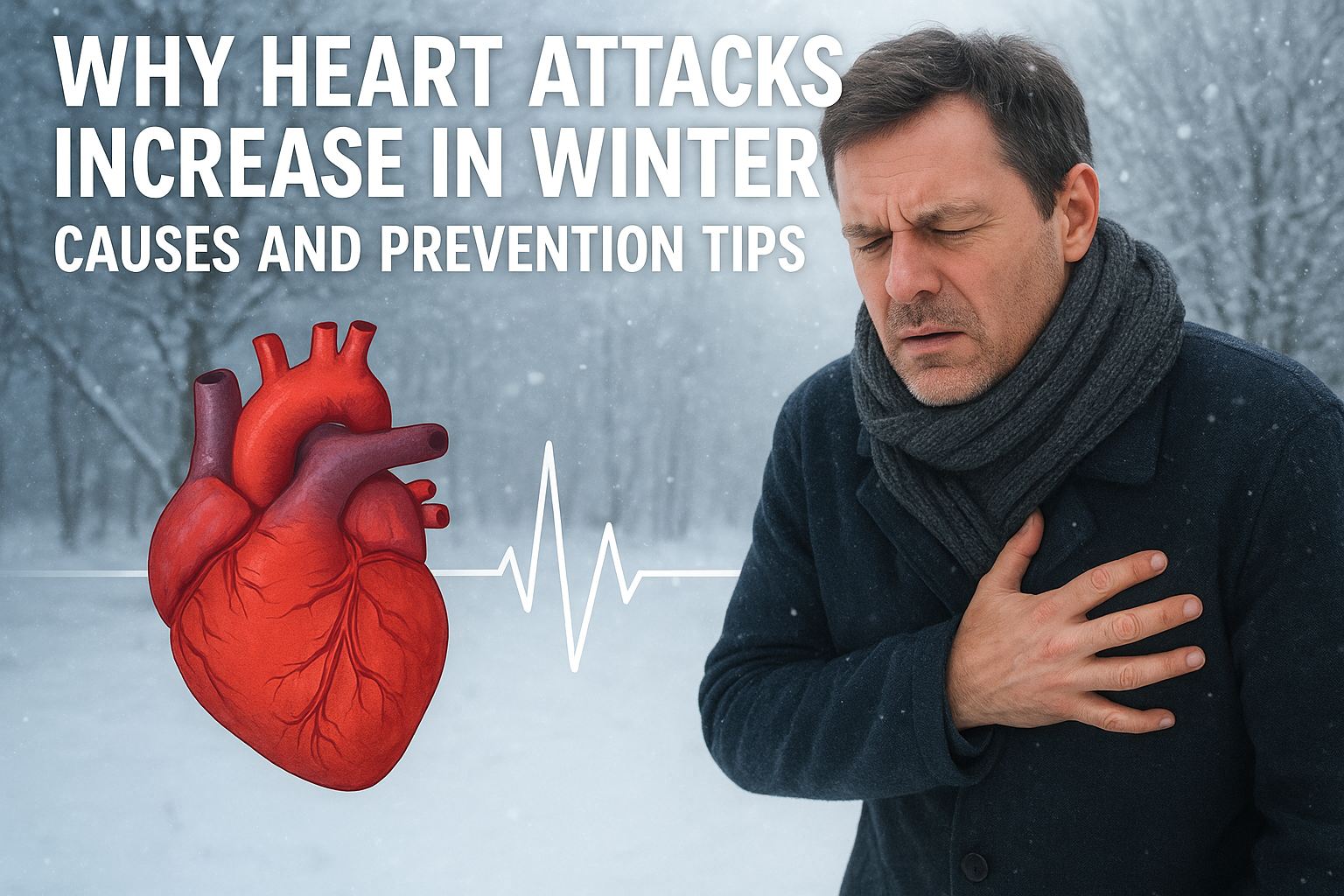
Why Heart Attacks Increase in Winter: Causes and Prevention Tips

Winter brings a noticeable rise in cardiovascular emergencies, especially among people with existing heart conditions. The fall in temperature affects blood vessels, increases strain on the heart, and raises the chances of a sudden cardiac event. Understanding winter-related heart risks can help you stay safe and take preventive steps early.

Why Heart Risks Rise in Cold Weather

The cold environment triggers the body to conserve heat. This causes blood vessels to narrow, forcing the heart to pump harder. For people with high blood pressure, cholesterol issues, or diabetes, this extra workload increases the risk of a heart attack, especially in early mornings when temperature dips are severe.

1. Sudden Drop in Temperature

  • Cold air tightens arteries, reducing blood flow.

  • Restricted circulation increases the chances of clot formation.

  • Morning exposure raises the stress on your heart.

2. Higher Blood Pressure Levels

  • Winter naturally increases blood pressure.

  • Thickened blood moves slowly, making blockages more likely.

  • People with hypertension are at greater risk.

3. Reduced Physical Activity

  • People tend to stay indoors in winter.

  • Low activity leads to weight gain and poor circulation.

  • Lack of exercise weakens the heart muscle.

4. Viral Infections & Flu

  • Winter infections increase inflammation in the body.

  • Inflamed arteries become more vulnerable to blockages.

  • Flu can worsen chest discomfort or trigger cardiac strain.

5. Overeating During Festive Season

  • Winter celebrations often include heavy meals.

  • High-fat foods raise cholesterol levels.

  • Sudden spikes in triglycerides stress the heart.

Prevention Tips for a Healthier Winter Heart

Stay Physically Active

Light walking, stretching, and home workouts maintain heart strength and blood flow during cold months.

Dress in Warm Layers

Cover your head, hands, and feet to reduce heat loss and prevent blood vessels from tightening.

Monitor Blood Pressure & Sugar Levels

Check levels regularly, especially for people with chronic health issues or age-related risks.

Maintain a Balanced Diet

Include fruits, vegetables, nuts, and warm soups. Limit salt, sugar, and fried foods to reduce cardiac stress.

Avoid Sudden Temperature Exposure

Move slowly from warm rooms into cold outdoor temperatures to prevent a sudden rise in heart workload.

Conclusion 

Cold weather increases heart strain, but simple lifestyle steps such as regular exercise, warm clothing, and healthy eating can help protect your heart through winter months.

People with heart disease must be extra careful during chilly mornings. Routine checkups, timely medications, and early symptom awareness can help prevent emergencies and improve heart safety.

If you notice chest pain, breathlessness, or unusual fatigue in winter, seek timely help. For expert care, visit our KHIMS Hospitals.

How Much Exercise Do You Really Need for a Healthy Heart?

A strong cardiovascular system depends on consistent physical activity. Many people wonder how much daily movement supports long-term wellness. Understanding the ideal routine helps improve stamina, maintain energy levels, and reduce the risk of major complications. Even small lifestyle adjustments make a big impact when followed regularly.

Why Your Heart Needs Regular Physical Activity

Daily movement strengthens the circulatory system by improving oxygen flow and lowering strain on vital organs. It supports better endurance, enhances rhythm stability, and helps maintain a healthy weight. These benefits protect against chronic fatigue and sudden issues that develop from a sedentary routine.

Recommended Weekly Activity Levels

Experts suggest a structured schedule that balances intensity and duration. The ideal plan includes moderate workouts spread throughout the week to maintain rhythm and avoid unnecessary stress.

General Guidelines

  • Aim for at least 150 minutes of moderate activity weekly.

  • Include 75 minutes of higher-intensity training for improved stamina.

  • Combine both forms to keep your routine balanced.

  • Spread your sessions over 4–5 days to avoid overexertion.

Types of Movements That Improve Heart Strength

A variety of workouts contribute to better internal function. Mixing different categories keeps the routine effective and enjoyable.

Aerobic Activities

Brisk walking, cycling, swimming, dancing, or jogging help boost circulation and support healthy breathing patterns.

Strength-Building Exercises

Light weightlifting or resistance training improves muscle tone and supports joint stability, helping the body move efficiently.

Flexibility Movements

Stretching and yoga maintain mobility, reduce stiffness, and improve posture, which helps the body perform physical tasks comfortably.

How to Build a Sustainable Routine

Consistency matters more than intensity. Small steps every day lead to long-term health gains.

Tips for Beginners

  • Start with 20–30 minutes per session.

  • Increase pace slowly to avoid injury.

  • Use comfortable footwear and stay hydrated.

  • Track progress to maintain motivation.

Common Mistakes to Avoid

  • Ignoring warm-ups before beginning any workout.

  • Exercising too hard without rest days.

  • Skipping proper form during training.

  • Forgetting to cool down after activity.

When to Seek Professional Guidance

Consult a specialist if you experience dizziness, chest tightness, or unusual discomfort during movement. A personalized plan helps ensure safe, steady progress. Individuals with prior conditions should receive clearance before beginning any training program.

Conclusion

Regular movement protects long-term wellness and supports the circulatory system. Maintaining a consistent routine keeps the body energised and reduces future risks naturally.

Balanced weekly activity builds strength, improves stamina, and supports a healthier lifestyle while preventing avoidable complications over time.

Top Foods to Eat and Avoid for Gastritis Relief

Gastritis occurs when the stomach lining becomes inflamed, leading to symptoms like burning pain, indigestion, bloating, nausea, and discomfort after meals. Diet plays a major role in soothing irritation, reducing acid levels, and supporting healing. Choosing the right foods—and avoiding the wrong ones—helps calm the digestive system, prevents flare-ups, and promotes long-term relief. Here is a detailed guide to the best foods to include in your daily meals and the foods you should strictly avoid to protect your stomach.

Foods to Eat for Gastritis Relief

1. High-Fiber Foods

Fiber supports smooth digestion and reduces irritation in the stomach.

  • Oats

  • Brown rice

  • Carrots

  • Apples

  • Bananas
    These foods help regulate bowel movements and prevent acid accumulation, easing overall discomfort.

2. Lean Protein Sources

Low-fat proteins are easy to digest and promote healing.

  • Skinless chicken

  • Fish

  • Egg whites

  • Tofu

  • Lentils
    These options reduce pressure on the stomach and prevent excess acid production.

3. Probiotic-Rich Foods

Probiotics support healthy gut bacteria and encourage faster recovery.

  • Curd

  • Buttermilk

  • Kefir

  • Fermented vegetables
    These foods help restore balance in the digestive system and reduce inflammation.

4. Non-Acidic Fruits

Mild fruits lower irritation and offer essential nutrients.

  • Melons

  • Papaya

  • Pears

  • Berries
    They provide hydration and vitamins without triggering acidity.

5. Low-Fat Dairy Choices

Small quantities of low-fat dairy can soothe the stomach.

  • Skim milk

  • Low-fat paneer

  • Unsweetened yogurt
    These foods give gentle nourishment without causing heaviness or acid spikes.

6. Omega-3 Rich Foods

Healthy fats help reduce inflammation naturally.

  • Flaxseeds

  • Walnuts

  • Chia seeds
    These anti-inflammatory options protect stomach lining and support healing.

7. Herbal Teas

Certain teas are soothing and help relax the digestive tract.

  • Chamomile tea

  • Ginger tea

  • Green tea
    These beverages reduce nausea and bloating while calming irritation.

Foods to Avoid for Gastritis Relief

1. Spicy Foods

  • Red chili

  • Pepper

  • Spicy curries
    These can worsen inflammation and increase burning sensations.

2. Acidic Foods

  • Lemon

  • Oranges

  • Pickles
    These raise acid levels and irritate the stomach lining.

3. Fried & Fatty Foods

  • Pakodas

  • Chips

  • Deep-fried items
    These slow digestion and trigger excessive acid production.

4. Caffeinated Beverages

  • Coffee

  • Energy drinks
    These stimulate acid secretion and worsen symptoms.

5. Carbonated Drinks

  • Colas

  • Sodas
    Gas buildup increases bloating and discomfort.

6. Processed Foods

  • Packaged snacks

  • Processed meats
    Artificial ingredients and preservatives irritate the digestive system.

7. Alcohol & Smoking

These harm the stomach lining and slow healing, causing frequent flare-ups.

Easy Dietary Tips for Daily Relief

  • Eat small, frequent meals.

  • Avoid eating late at night.

  • Drink warm water throughout the day.

  • Choose homemade meals over processed ones.

  • Chew food thoroughly and eat slowly.

  • Maintain a balanced mix of carbs, proteins, and healthy fats.

Conclusion 

A balanced, gentle diet can dramatically ease symptoms, protect the stomach lining, and support long-term digestive health. Choosing the right foods daily ensures steady progress and fewer flare-ups.

 Common Causes of Stomach Pain and How to Find Relief

Understanding Stomach Pain

Stomach pain is one of the most frequent digestive complaints. It can range from mild discomfort to severe cramping that affects daily life. The pain may come from issues in the stomach, intestines, liver, gallbladder, or other nearby organs. Identifying the cause early can help you get proper treatment and long-lasting relief.

1. Indigestion – The Most Common Culprit

Indigestion often causes burning pain or fullness in the upper abdomen after meals. It may result from eating too quickly, consuming spicy or fatty foods, or stress. Staying hydrated, avoiding heavy meals before bedtime, and eating smaller portions can help ease symptoms naturally.

2. Acid Reflux and Heartburn

Acid reflux occurs when stomach acid backs up into the esophagus, leading to a burning sensation. It’s often triggered by overeating, caffeine, or lying down after meals. Elevating the head while sleeping and limiting acidic foods can reduce discomfort and improve digestion.

3. Gastritis – Inflammation of the Stomach Lining

Gastritis causes sharp or dull abdominal pain, nausea, and bloating. It may occur due to excessive alcohol, prolonged medication use, or bacterial infections like H. pylori. A balanced diet rich in fiber and probiotics supports healing and strengthens digestive health.

4. Constipation and Bloating

Constipation leads to stomach pressure, bloating, and pain. A lack of fiber, dehydration, and a sedentary lifestyle are common triggers. Increase fiber intake through fruits and vegetables, drink plenty of water, and stay physically active to keep your gut functioning smoothly.

5. Gastroenteritis – Stomach Infection

Gastroenteritis, or stomach flu, is caused by viral or bacterial infection. It leads to vomiting, diarrhea, and abdominal cramps. Rest, hydration, and light meals are essential for recovery. Avoid street food and practice good hygiene to prevent infection.

6. Gallstones and Other Digestive Disorders

Sometimes, stomach pain may stem from gallstones or liver problems. Gallstones cause intense pain after fatty meals. In such cases, professional medical evaluation is vital to prevent complications.

When to See a Doctor

Persistent or severe stomach pain should not be ignored. Symptoms like vomiting blood, unexplained weight loss, or yellowing of the skin need immediate medical care. Visit our KHIMS Hospitals for expert diagnosis and treatment from our experienced gastroenterology team.

Home Remedies and Relief Tips

  • Eat slowly and chew food thoroughly

  • Avoid oily, spicy, and processed foods

  • Drink herbal teas like ginger or peppermint

  • Maintain regular bowel movements

  • Manage stress with yoga or meditation

Conclusion

Understanding the common causes of stomach pain helps you take preventive steps for better digestive health. Early treatment and lifestyle changes can bring lasting relief.

For chronic or severe pain, consult the specialists at KHIMS Hospitals for personalized care and advanced treatments.

 Heart Disease in Women: Why Symptoms Differ and What You Need to Know

Heart disease in women often goes unnoticed because its signs differ from those in men. While chest pain is the most recognized symptom, women frequently experience subtle signals such as fatigue, nausea, or shortness of breath. Understanding these gender-specific symptoms can save lives and promote early diagnosis.

1. Why Heart Disease Affects Women Differently

Biological and hormonal factors play a major role in how heart disease develops in women. The decline of estrogen after menopause increases the risk of plaque buildup in arteries. Women also have smaller coronary vessels, making blockages harder to detect. Emotional stress and autoimmune conditions further heighten their vulnerability.

2. Common Symptoms of Heart Disease in Women

Unlike men, women may not always feel intense chest pain during a heart attack. Instead, they may notice:

  • Unexplained shortness of breath

  • Dizziness or lightheadedness

  • Fatigue or sleep disturbances

  • Pain in the jaw, neck, shoulder, or back

  • Nausea or indigestion

Recognizing these female heart attack symptoms early can prevent severe heart damage and improve recovery.

3. Major Risk Factors for Women

Certain lifestyle and medical conditions elevate the risk of cardiovascular health problems in women:

  • High blood pressure

  • Diabetes and obesity

  • Smoking and alcohol use

  • Family history of heart disease

  • Sedentary lifestyle

  • Stress and depression

Being aware of these factors helps women make informed decisions about their women’s heart care routines.

4. Preventive Measures for a Healthy Heart

Adopting preventive cardiology practices can reduce heart disease risks significantly. Some effective measures include:

  • Maintaining a balanced diet rich in fruits, vegetables, and lean proteins

  • Regular physical activity, such as brisk walking or yoga

  • Controlling blood sugar and cholesterol levels

  • Avoiding smoking and managing stress

  • Scheduling regular cardiac check-ups

Early intervention and lifestyle management can make a powerful difference in long-term heart wellness.

5. Diagnosis and Treatment Options

Advanced diagnostic tools like ECG, echocardiograms, and stress tests help detect hidden cardiovascular issues in women. Treatments may involve medication, angioplasty, or bypass surgery, depending on severity. Regular consultations with a cardiologist are essential for personalized care and monitoring.

Conclusion

Women must recognize that heart disease is not just a man’s issue—it’s the leading cause of death among women globally. Awareness and early action can save countless lives.

At KHIMS Hospitals, we provide advanced diagnostic facilities and expert care tailored for women’s cardiac health.

How the Human Nervous System Works: A Simple Guide for Everyone

Understanding the Human Nervous System

The human nervous system is the body’s communication network, sending signals between the brain, spinal cord, and every organ. It controls movement, sensation, and vital functions that keep us alive. Understanding how it works helps us appreciate how complex and amazing our body truly is.

What Is the Nervous System?

The nervous system is made up of specialized cells called neurons that transmit electrical messages. It consists of two main parts:

  • Central Nervous System (CNS) – includes the brain and spinal cord.
  • Peripheral Nervous System (PNS) – includes all the nerves outside the CNS.

These systems work together to collect information, process it, and trigger appropriate body responses.

The Brain: Command Center of the Body

The brain is the control hub of the nervous system. It interprets data from the senses, makes decisions, and sends signals through the spinal cord. Major parts include:

  • Cerebrum: Handles thinking, memory, and voluntary actions.
  • Cerebellum: Controls balance and coordination.
  • Brainstem: Regulates breathing, heart rate, and sleep.

Without the brain’s precise coordination, even simple tasks would be impossible.

The Spinal Cord: The Message Pathway

The spinal cord acts as a highway for communication between the brain and the rest of the body. It also manages reflex actions that help you respond quickly to danger — like pulling your hand away from something hot — without waiting for brain input.

The Peripheral Nervous System: Connecting the Body

The PNS links the CNS to limbs and organs. It has two divisions:

  • Somatic Nervous System: Controls voluntary movements.
  • Autonomic Nervous System: Regulates involuntary functions like heartbeat and digestion.

The autonomic part further divides into the sympathetic (fight or flight) and parasympathetic (rest and digest) systems, maintaining internal balance.

How Nerves Communicate: The Role of Neurons

Neurons transmit signals using electrical impulses and chemical messengers called neurotransmitters. Each neuron has three parts:

  • Dendrites receive messages.
  • Axons send impulses.
  • Synapses transfer signals between neurons.

This rapid communication enables you to move, think, and feel within milliseconds.

Importance of a Healthy Nervous System

A strong nervous system is essential for overall well-being. Good nutrition, regular exercise, proper sleep, and stress control help protect brain and nerve function. Avoiding toxins and maintaining good posture also support nerve health.

Common Nervous System Disorders

Some neurological disorders affect nerve communication, such as:

  • Parkinson’s disease – causes tremors and stiffness.
  • Multiple sclerosis (MS) – damages nerve coverings.
  • Peripheral neuropathy – leads to tingling or numbness in limbs.
  • Epilepsy – causes recurrent seizures.

Early diagnosis and treatment can prevent long-term complications.

Conclusion

The human nervous system is a complex yet beautifully coordinated structure that controls every thought, emotion, and action. Taking care of it ensures a healthier, more active life.

Visit our KHIMS Hospital, Khammam for expert neurological care and advanced treatment options designed to keep your nerves and brain functioning at their best.

Why Does Your Breathing Suddenly Speed Up? Causes & How to Manage Them

Have you ever noticed your breathing suddenly speeding up for no clear reason? Known as tachypnea, this rapid breathing may result from anxiety, lung infections, or heart issues. Understanding the causes of fast breathing and how to manage it can help you maintain a healthy respiratory system and prevent complications.

What Is Rapid Breathing?

Rapid breathing occurs when your breathing rate exceeds the normal 12–20 breaths per minute in adults. It’s the body’s way of compensating for low oxygen levels or increased physical or emotional stress. While occasional fast breathing is harmless, frequent episodes may point to underlying respiratory disorders or cardiac conditions.

Common Causes of Sudden Fast Breathing

a. Anxiety or Panic Attacks

Emotional stress can cause hyperventilation, where your breathing becomes shallow and fast. This happens as your body releases adrenaline in a “fight-or-flight” response.

b. Asthma and Allergies

Asthma triggers airway constriction and inflammation, leading to shortness of breath and wheezing. Allergic reactions can have similar effects.

c. Lung Infections

Infections like pneumonia, bronchitis, or COVID-19 can lower oxygen levels, forcing the lungs to work harder and increase breathing speed.

d. Heart Conditions

In heart failure or cardiac arrest, fluid buildup in the lungs restricts airflow, causing rapid and shallow breathing.

e. Physical Activity or High Altitude

During exercise or at higher altitudes, oxygen demand rises, leading to a natural increase in respiration.

f. Metabolic Disorders

Diseases like diabetic ketoacidosis can create an acidic environment in the body, triggering deep and rapid breathing to balance pH.

Symptoms That Accompany Rapid Breathing

When your breathing speeds up, other warning signs may appear depending on the underlying cause.

Common accompanying symptoms include:

  • Chest tightness or pain – often felt during asthma attacks or anxiety episodes.
  • Dizziness or lightheadedness – caused by reduced carbon dioxide levels during hyperventilation.
  • Bluish lips or fingertips (cyanosis) – a sign of low oxygen levels in the blood.
  • Excessive sweating and palpitations – common during panic or heart-related breathing issues.
  • Fatigue and confusion – prolonged rapid breathing can reduce oxygen delivery to the brain and muscles.
  • Wheezing or coughing – indicates a possible lung infection or airway inflammation.

If these symptoms persist or worsen, it may suggest a serious respiratory or cardiac problem requiring prompt medical evaluation.

How to Manage Sudden Fast Breathing

a. Deep Breathing Exercises

Inhale slowly through your nose, hold for 3 seconds, and exhale through your mouth. This reduces stress and stabilizes breathing.

b. Maintain Proper Posture

Sit upright or stand tall to open the chest cavity and allow full lung expansion.

c. Relaxation Techniques

Practice meditation, yoga, or mindfulness to ease stress-related breathing issues.

d. Stay Hydrated and Avoid Overexertion

Drink plenty of fluids and avoid pushing your limits during physical activity.

e. Seek Medical Help if Needed

If episodes of rapid breathing are frequent, consult a healthcare provider to identify underlying causes.

When to See a Doctor

While occasional fast breathing due to exertion or stress is normal, persistent or sudden breathing difficulty should never be ignored.

Seek immediate medical help if you experience:

  • Chest pain or pressure that spreads to the arm, neck, or jaw.
  • Severe shortness of breath even while resting.
  • Bluish discoloration of lips or nails indicating low oxygen.
  • Confusion, fainting, or dizziness suggesting low blood flow to the brain.
  • Cough with blood or mucus, which may signal infection or lung disease.

These symptoms can point to conditions such as pulmonary embolism, heart failure, or chronic obstructive pulmonary disease (COPD). Early diagnosis and treatment at a trusted hospital can save lives and restore normal breathing function.

Conclusion

Rapid breathing is often a sign that your body is under stress, either physically or emotionally. Identifying the cause early helps prevent long-term complications.

Adopting relaxation techniques, staying hydrated, and seeking timely medical advice can help you maintain strong respiratory health.

Visit our KHIMS Hospital Khammam for expert diagnosis and treatment of breathing and lung-related conditions.

Seasonal Allergies and Asthma: How to Breathe Easy All Year Round

Spring blossoms, summer breeze, autumn leaves, and winter chill — sounds beautiful, right?

But for many people, each season also brings sneezing, coughing, and shortness of breath.
If you often find yourself reaching for tissues or your inhaler when the weather changes, you’re not alone.
Let’s uncover how seasonal allergies and asthma work together — and how you can breathe freely all year round!

1. What Exactly Are Seasonal Allergies?

Your immune system thinks harmless things like pollen, dust, or mold are dangerous and starts fighting them — that’s what causes allergy symptoms.

🌀 Common culprits through the year:

  • 🌸 Spring: Tree pollen

  • 🌿 Summer: Grass pollen

  • 🍂 Autumn: Weed pollen

  • ❄️ Winter: Dust mites, pet dander, and mold

2. The Allergy–Asthma Connection

Allergies don’t just make you sneeze — they can trigger asthma attacks too.
When allergens enter your body, your airways react by swelling, tightening, and producing mucus.
This leads to wheezing, breathlessness, and chest tightness — classic signs of allergic asthma.

3. Know Your Triggers – Beat Them Before They Beat You?

Each person’s triggers are different, but here are the most common ones:

  • Pollen from trees and grass

  • Dust mites in bedding and carpets

  • Mold in damp areas

  • Pet hair and dander

  • Smoke, perfumes, and pollution

4. Smart Ways to Keep Allergies and Asthma Under Control

🪟 Inside Your Home:

  • Keep windows closed during high pollen days.

  • Use air purifiers with HEPA filters.

  • Wash bed linens weekly in hot water.

  • Avoid using heavy perfumes or incense indoors.

🚶‍♂️ When You Step Outside:

  • Check pollen forecasts before heading out.

  • Wear sunglasses and a mask on windy days.

  • Shower after outdoor activities to remove pollen.

  • Avoid morning walks — pollen counts peak early!

5. Treatments That Help You Breathe Better

Managing allergies and asthma isn’t one-size-fits-all.
Your doctor may suggest:

  • Antihistamines to control sneezing and itching.

  • Nasal sprays or inhalers to open airways.

  • Allergy shots (immunotherapy) for long-term relief.

  • Rescue inhalers for sudden breathing trouble.

6. Lifestyle Habits That Make a Big Difference

  • Stay hydrated — water thins mucus and clears airways.

  • Do yoga or breathing exercises daily.

  • Keep your home clean and clutter-free.

  • Eat more fruits and vegetables rich in Vitamin C.

  • Avoid smoking or secondhand smoke.

7. When Should You See a Doctor?

Seek help if you notice:

  • Shortness of breath during normal activities.

  • Frequent night-time coughing or wheezing.

  • Need to use your inhaler more often.

  • Little or no relief from current medicines.

🌈 Conclusion: Let Every Season Feel Like a Breath of Fresh Air

Seasonal allergies and asthma don’t have to control your life.
With the right precautions, treatments, and daily habits, you can breathe freely — in every season and every moment.
Take charge of your health, understand your triggers, and let your lungs thank you with every easy breath.