Top 10 Lifestyle Changes to Keep Your Heart Healthy

A healthy heart is the foundation of a long and energetic life. With rising cases of heart disease, taking proactive steps toward heart health is more important than ever. Small daily changes can make a big difference in protecting your heart and improving your overall cardiovascular wellness.

1. Eat a Balanced Diet

A nutritious heart-healthy diet rich in fruits, vegetables, whole grains, and lean proteins keeps your arteries clear and reduces cholesterol. Limit saturated fats, salt, and sugar for better cardiac care.

2. Exercise Regularly

Engaging in regular physical activity strengthens the heart muscle, improves blood circulation, and helps maintain ideal body weight. Aim for at least 30 minutes of brisk walking, cycling, or swimming daily.

3. Maintain a Healthy Weight

Being overweight increases your risk of high blood pressure and heart disease. Monitor your BMI and waist circumference to stay within healthy limits and support your heart fitness.

4. Quit Smoking

Smoking is a major cause of heart attacks and stroke. Quitting smoking can significantly enhance your heart’s function and increase your life expectancy. Seek professional help if needed.

5. Limit Alcohol Consumption

Excessive alcohol can raise blood pressure and damage the heart muscle. Practice moderation to ensure healthy circulation and prevent cardiac complications.

6. Manage Stress Effectively

Chronic stress leads to inflammation and irregular heartbeat. Try meditation, yoga, or deep breathing exercises to calm your mind and support emotional well-being.

7. Get Enough Sleep

Quality sleep is essential for heart rhythm stability. Poor sleep increases the risk of hypertension, obesity, and diabetes—conditions linked to heart disease. Aim for 7–8 hours nightly.

8. Monitor Blood Pressure Regularly

Regular blood pressure check-ups help detect early signs of heart strain. Keep your readings below 120/80 mmHg and consult your doctor if they rise consistently.

9. Control Cholesterol Levels

Excess LDL cholesterol can clog arteries and cause heart attacks. Include foods rich in omega-3 fatty acids, fiber, and antioxidants to maintain healthy lipid balance.

10. Stay Hydrated

Drinking enough water helps in maintaining proper blood circulation and prevents dehydration-related stress on the heart. Replace sugary drinks with water or herbal tea.

Conclusion

Your heart works tirelessly for you—so take care of it with simple, consistent lifestyle habits. These ten changes can significantly lower your risk of cardiovascular problems and boost long-term vitality.

Visit our KHIMS Hospitals for expert cardiology care, advanced treatments, and personalized guidance for a stronger, healthier heart.

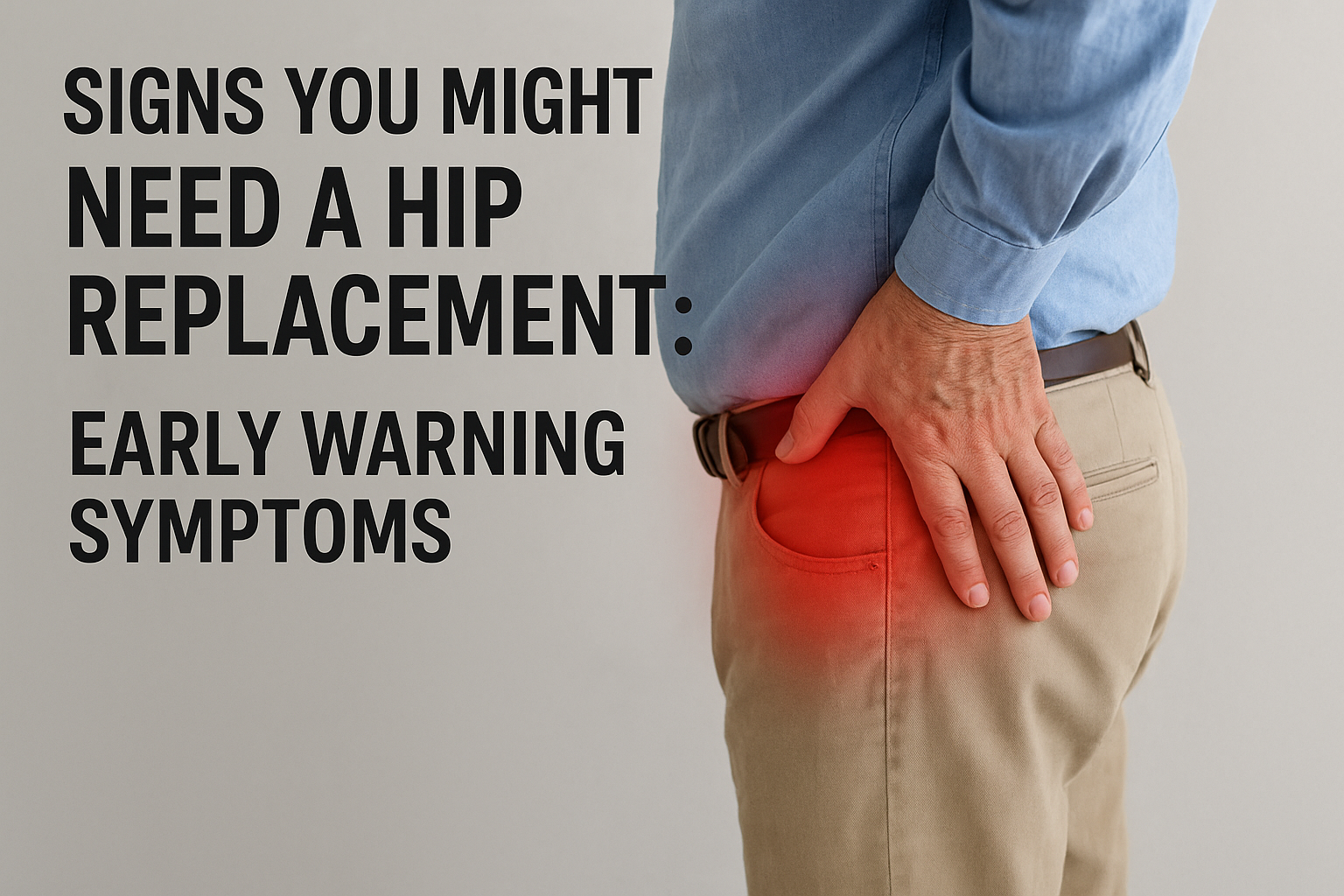
Signs You Might Need a Hip Replacement: Early Warning Symptoms

Hip pain can affect every step you take—literally. While mild discomfort can come from strain or injury, chronic pain that limits mobility might signal a deeper issue. Understanding the early warning symptoms of hip joint damage is essential for timely medical attention and improved quality of life.

1. Persistent Hip Pain That Won’t Go Away

One of the earliest signs you might need a hip replacement is constant pain that lingers even after rest or medication. This discomfort may occur while walking, sitting, or lying down. Over time, it can spread to the thigh, groin, or even the knee. When hip pain begins interfering with daily activities like putting on shoes or climbing stairs, it may indicate serious joint degeneration.

2. Stiffness and Reduced Range of Motion

Morning stiffness or difficulty rotating your leg is another early warning symptom. If your hip joint feels locked or you notice reduced flexibility, it could mean the cartilage has worn down. A healthy hip allows smooth, pain-free movement, but when arthritis or structural damage sets in, the joint loses its cushioning, leading to stiffness and grinding sensations.

3. Pain During Rest or Sleep

Hip arthritis often causes discomfort even when you’re not active. Experiencing pain while sitting for long periods or while sleeping on the affected side is a clear indicator of joint inflammation. This symptom can disrupt rest, leading to fatigue and lower overall energy levels.

4. Limping or Difficulty Walking

If you’ve developed a limp to reduce pressure on your hip, it may be a sign that the joint has weakened significantly. As hip cartilage deteriorates, your body compensates with poor posture or uneven walking patterns, putting extra stress on your spine and knees. This gait change is often one of the clearest signs that hip replacement surgery could help restore balance and movement.

5. Difficulty Performing Everyday Activities

Struggling with simple activities like getting out of bed, standing from a chair, or bending over can signal advanced hip damage. When physical therapy and pain management treatments no longer provide relief, hip replacement becomes a viable solution to restore normal function and independence.

6. Grinding or Popping Sensation

A grinding, popping, or clicking sound—known as crepitus—can occur when the hip joint surfaces rub together without smooth cartilage protection. This symptom often accompanies pain and stiffness, highlighting severe wear that may require surgical intervention.

7. Hip Pain After Injury or Trauma

Sometimes hip degeneration accelerates after a fracture or traumatic injury. If pain persists months after healing, it could indicate lasting joint damage. Orthopedic specialists often recommend diagnostic imaging to determine whether hip replacement is necessary for long-term relief.

8. Ineffective Non-Surgical Treatments

When medications, physical therapy, or injections fail to ease symptoms, it’s a sign that the underlying joint damage is too severe for conservative care. Total hip replacement offers a permanent solution for restoring pain-free motion and improving mobility when other methods fall short.

Benefits of Early Diagnosis

Recognizing these early warning symptoms allows for early diagnosis and intervention. With timely consultation from an orthopedic surgeon, you can prevent further damage, explore minimally invasive options, and make an informed decision about hip replacement surgery if needed.

Conclusion 

Ignoring hip pain can lead to long-term mobility loss. Recognizing symptoms early ensures timely treatment and helps you regain strength, comfort, and an active lifestyle.

Complications of Diabetes and How to Prevent Them Early

Diabetes is a chronic health condition that affects how your body converts food into energy. If left uncontrolled, it can lead to serious diabetes complications that impact multiple organs. Understanding these risks and taking preventive steps can help you live a healthier, longer life.

1. Common Complications of Diabetes

Uncontrolled high blood sugar levels over time can damage blood vessels, nerves, and organs. Here are the most common complications:

  • Diabetic Neuropathy – Nerve damage causes tingling, pain, or numbness, especially in the feet and hands.
  • Diabetic Retinopathy – Affects the eyes and may lead to blindness if untreated.
  • Kidney Disease (Diabetic Nephropathy) – Long-term high glucose levels damage kidney filters.
  • Heart Disease – Diabetes increases the risk of heart attack, stroke, and hypertension.
  • Foot Problems – Poor circulation and nerve damage may cause ulcers or infections.
  • Skin Conditions – People with diabetes often experience bacterial and fungal skin infections.

2. Early Warning Signs You Shouldn’t Ignore

Early detection is crucial in preventing diabetes-related issues. Watch for:

  1. Frequent urination and excessive thirst.
  2. Blurred vision or eye strain.
  3. Tingling or numbness in feet.
  4. Fatigue and slow-healing wounds.
  5. Unexpected weight loss or gain.

3. How to Prevent Diabetes Complications Early

Managing your diabetes effectively can prevent or delay most complications.

a. Monitor Blood Sugar Regularly

Use a glucose meter to track your blood sugar and stay within your target range. Consistent monitoring helps detect fluctuations early.

b. Maintain a Balanced Diet

Focus on healthy eating, including whole grains, lean proteins, fruits, and vegetables. Limit refined sugars and saturated fats to prevent blood sugar spikes.

c. Exercise Daily

Engage in at least 30 minutes of physical activity like walking, cycling, or yoga. Exercise improves insulin sensitivity and reduces cardiovascular risk.

d. Control Blood Pressure and Cholesterol

Keep your blood pressure and cholesterol in check to prevent cardiovascular disease.

e. Quit Smoking and Limit Alcohol

Smoking and excessive alcohol use increase your chances of nerve and kidney damage.

f. Regular Health Check-ups

Visit your diabetes specialist or endocrinologist every 3–6 months. Early screening helps identify issues before they become severe.

4. Long-Term Management Tips

  • Maintain a healthy lifestyle with stress management and adequate sleep.
  • Keep track of your HbA1c levels.
  • Educate yourself about diabetes care through reliable sources.
  • Follow your doctor’s prescribed medication and diet plan strictly.

Conclusion

Preventing complications of diabetes starts with awareness and proactive care. Managing blood sugar, staying active, and getting regular medical check-ups can protect your heart, kidneys, eyes, and nerves.

Visit our Khims Hospital Khammam for expert diabetic care, personalized treatment plans, and early complication screening.

Cholesterol in Women vs. Men: Key Differences You Should Know

Cholesterol plays a vital role in our body, but its imbalance can lead to serious heart-related issues. Interestingly, cholesterol levels in women and men behave differently due to hormonal, genetic, and lifestyle factors. Understanding these gender differences in cholesterol helps in preventing heart disease, stroke, and other cardiovascular conditions effectively.

What is Cholesterol?

Cholesterol is a fatty substance present in the blood, essential for building cells and producing hormones. However, when LDL cholesterol (bad cholesterol) levels rise or HDL cholesterol (good cholesterol) drops, it increases the risk of atherosclerosis—the buildup of plaque in arteries.

How Cholesterol Differs Between Women and Men

1. Hormonal Influence

  • Estrogen in women helps maintain higher HDL cholesterol levels before menopause, offering natural protection against heart attacks.
  • After menopause, estrogen levels drop, leading to increased LDL cholesterol and higher heart disease risk.
  • Men, on the other hand, tend to have higher LDL and lower HDL from a younger age, making them more prone to coronary artery disease early in life.

2. Age and Cholesterol Levels

  • Women’s cholesterol typically rises sharply after the age of 50.
  • Men’s cholesterol increases gradually, peaking between 45–55 years.

3. Body Fat Distribution

  • Women often store fat around hips and thighs, while men accumulate abdominal fat, which directly impacts triglyceride levels and metabolic syndrome risk.

Cholesterol-Related Health Risks

In Women
  • Increased LDL cholesterol post-menopause.
  • Higher risk of high blood pressure and stroke after 50.
  • Delayed symptoms of coronary heart disease.
In Men
  • Early onset of heart attack and atherosclerosis.
  • Lower HDL levels cause faster plaque buildup.
  • Greater risk of peripheral artery disease.

Lifestyle and Dietary Differences

To manage cholesterol naturally, both men and women can follow these lifestyle habits:

  1. Eat heart-healthy foods like oats, almonds, avocados, and olive oil.
  2. Avoid trans fats found in processed and fried foods.
  3. Exercise regularly—at least 150 minutes of moderate activity per week.
  4. Quit smoking and limit alcohol consumption.
  5. Maintain a healthy weight and monitor blood sugar levels.

Diagnosis and Treatment

Doctors recommend a lipid profile test every 5 years after age 20. Treatment may include:

  • Statins for lowering LDL.
  • Lifestyle modifications for improving HDL.
  • Regular monitoring for early detection of cholesterol imbalance.

Conclusion

Men and women experience cholesterol differently due to hormones, age, and lifestyle. Awareness, prevention, and timely treatment are the keys to maintaining a healthy heart and balanced cholesterol.

Visit our Khims Hospital Khammam for expert cholesterol management and advanced cardiac care tailored to your health needs.

Managing Joint Pain in Women: Hormonal and Lifestyle Factors

Joint pain is a common issue that affects millions of women worldwide, often becoming more noticeable with age or hormonal changes. Whether it’s stiffness in the knees, soreness in the shoulders, or aching hands, many women experience discomfort that interferes with daily life. Understanding the connection between hormones, lifestyle, and joint health is key to managing pain effectively and maintaining long-term mobility.

The Hormonal Connection to Joint Pain

Women’s bodies undergo significant hormonal changes throughout life — during puberty, pregnancy, menstruation, and menopause. These fluctuations can directly impact joint health.

  • Estrogen and Joint Health:
    Estrogen plays a crucial role in reducing inflammation and maintaining joint lubrication. When estrogen levels drop, especially during menopause, many women notice increased stiffness and discomfort in their joints.

  • Menopause and Osteoarthritis:
    The decline in estrogen can also accelerate cartilage wear, increasing the risk of osteoarthritis, particularly in weight-bearing joints like the knees and hips.

  • Pregnancy and Joint Stress:
    During pregnancy, hormonal shifts such as increased relaxin levels loosen ligaments, sometimes causing instability and pain in the pelvic or knee joints.

Lifestyle Factors That Influence Joint Pain

While hormonal changes are inevitable, lifestyle factors often determine how severely joint pain affects you. Small adjustments can make a significant difference in long-term joint comfort and strength.

  1. Physical Inactivity
    Sedentary habits weaken muscles that support the joints, leading to increased strain and stiffness. Regular movement, stretching, and low-impact exercises like swimming, yoga, or brisk walking can help maintain flexibility.

  2. Poor Posture and Ergonomics
    Sitting or standing incorrectly for long periods can misalign joints and cause pain. Using ergonomic chairs, adjusting your workspace, and taking posture breaks are essential for joint health.

  3. Unhealthy Diet
    Diets high in processed foods and sugar can increase inflammation. Instead, focus on foods rich in omega-3 fatty acids, antioxidants, calcium, and vitamin D — such as fish, nuts, leafy greens, and dairy.

  4. Obesity and Joint Pressure
    Excess body weight puts additional stress on joints, especially the knees and hips. Even modest weight loss can reduce pain and improve joint mobility.

  5. Stress and Sleep Deprivation
    Chronic stress and poor sleep can heighten pain sensitivity and inflammation. Mindfulness, relaxation techniques, and good sleep hygiene are important parts of joint pain management.

Practical Tips to Manage Joint Pain

  • Maintain a balanced exercise routine with stretching and strengthening workouts.

  • Incorporate anti-inflammatory foods into your daily meals.

  • Stay hydrated to support cartilage health.

  • Avoid high heels and unsupportive footwear, which can strain lower joints.

  • Consult a doctor or physiotherapist for personalized guidance and treatment options like physiotherapy, medication, or supplements.

Conclusion

Joint pain in women is often influenced by a complex mix of hormonal and lifestyle factors. By understanding these connections and making mindful lifestyle choices, women can take charge of their joint health at every stage of life. With timely medical support and a balanced lifestyle, it’s possible to stay active, flexible, and pain-free for years to come.

How to Strengthen Your Immune System Before Cold Season

As the temperatures drop and cold winds begin to blow, the risk of catching a cold or flu increases. Strengthening your immune system before the cold season hits can make all the difference between falling ill and staying healthy. Your immune system is your body’s natural defense, and with a few lifestyle adjustments, you can help it work at its best.

1. Eat a Balanced, Nutrient-Rich Diet

A healthy diet is the foundation of a strong immune system. Focus on colorful fruits and vegetables like oranges, spinach, carrots, and bell peppers — they’re rich in vitamins A, C, and E, as well as antioxidants that help your body fight infections.
Include protein sources like eggs, fish, lentils, and nuts to support the production of immune cells. Probiotic-rich foods like yogurt and fermented items also help maintain gut health, which plays a vital role in immunity.

2. Stay Hydrated

Water keeps your body functioning smoothly and helps flush out toxins. Proper hydration ensures your cells and organs work efficiently to defend against viruses. Try to drink at least 8 glasses of water a day, and include herbal teas like ginger, tulsi, or chamomile for an added immune boost.

3. Prioritize Quality Sleep

Your body repairs and regenerates itself during sleep. Poor sleep weakens the immune response, making you more prone to infections. Aim for 7–8 hours of restful sleep every night. Maintain a consistent sleep schedule and avoid screens before bedtime for better quality rest.

4. Exercise Regularly

Regular physical activity improves blood circulation and helps immune cells move efficiently throughout the body. Simple exercises like brisk walking, cycling, or yoga for 30 minutes a day can strengthen your immune defense. However, don’t overdo it—excessive training can temporarily weaken immunity.

5. Manage Stress

Chronic stress releases cortisol, a hormone that suppresses the immune system. Take time to relax through meditation, deep breathing, or spending time in nature. Even 10 minutes of mindfulness each day can significantly reduce stress levels.

6. Get Enough Vitamin D

Sunlight is one of the best sources of Vitamin D, an essential nutrient for immune function. Try to spend at least 15–20 minutes in natural sunlight daily. During colder months, you can also consider vitamin D-rich foods like fortified milk, eggs, and mushrooms—or consult your doctor for supplements.

7. Avoid Smoking and Limit Alcohol

Smoking damages the lungs and weakens your immune defenses, while excessive alcohol consumption can deplete essential nutrients. Cutting back on these habits helps your body maintain stronger immunity and faster recovery from infections.

8. Practice Good Hygiene

Prevention is better than cure! Wash your hands frequently, sanitize commonly used surfaces, and avoid touching your face. These small habits can dramatically reduce your exposure to viruses during cold season.

Conclusion

Building a strong immune system doesn’t happen overnight—it’s a result of consistent, healthy choices. By nourishing your body with good food, sleep, hydration, and stress management, you’ll give yourself the best defense against seasonal illnesses. Start now, and let your immune system be ready to face the cold season strong and steady!

Diabetes Care Made Simple: Daily Habits for Better Control

Managing diabetes care doesn’t have to be overwhelming. With the right daily practices, you can improve your health, avoid complications, and live a balanced lifestyle. Let’s explore practical habits for better control of diabetes that are simple, sustainable, and effective.

Understanding Diabetes Management

Diabetes is a condition that affects blood sugar regulation. Without proper attention, it can lead to serious issues like nerve damage, kidney disease, and heart complications. Consistent diabetes management helps you maintain healthy glucose levels, boosting energy and reducing long-term risks.

Importance of a Healthy Diet

What you eat directly impacts your blood sugar. A balanced diet rich in vegetables, lean protein, and whole grains supports stable glucose levels. Limit sugary drinks, processed foods, and unhealthy fats. Following diabetes diet tips such as portion control and meal planning ensures you stay on track without feeling deprived.

Regular Physical Activity

Exercise improves insulin sensitivity, helping the body use glucose effectively. Walking, cycling, or yoga for at least 30 minutes daily makes a huge difference. Choose enjoyable routines to build consistency. This type of diabetes exercise plan strengthens overall health and supports weight control.

Monitoring Blood Sugar Levels

Frequent monitoring helps track patterns and identify triggers. Using a glucometer at home can guide your food and lifestyle choices. Keeping a log of readings is part of blood sugar monitoring, empowering you to make informed decisions with your healthcare provider.

Stress Management and Sleep

Stress and lack of sleep can spike blood sugar. Meditation, deep breathing, or hobbies reduce stress effectively. Aim for 7–8 hours of rest every night. Good diabetes lifestyle changes also include prioritizing mental health for long-term stability.

Staying Hydrated

Water is essential for flushing excess sugar from the bloodstream. Drinking 8–10 glasses daily keeps you hydrated and supports metabolism. Avoid soda or juice; hydration is a key healthy habit for diabetes that often gets overlooked.

Medication and Doctor’s Advice

Following your prescribed treatment plan is crucial. Skipping doses or ignoring instructions can lead to complications. Routine checkups allow diabetes treatment adjustments that suit your evolving needs. Always stay in touch with your healthcare provider.

Daily Checklist for Diabetes Care

  • Eat balanced meals on time

  • Exercise at least 30 minutes

  • Monitor blood sugar regularly

  • Sleep 7–8 hours daily

  • Stay hydrated

  • Follow medication and doctor’s advice

Conclusion

Managing diabetes becomes easier with daily habits like balanced nutrition, exercise, stress control, and routine monitoring. Small, consistent steps help maintain better health.

Adopting these practices ensures your diabetes care is simple, effective, and sustainable.

How to Boost Your Immunity Naturally Tips

A strong immune system is your body’s natural defense against infections, viruses, and chronic illnesses. While there are no shortcuts to building immunity overnight, adopting certain healthy habits and lifestyle choices can significantly enhance your body’s ability to fight diseases. Here are  tips to boost your immunity naturally and stay healthier year-round.

Eat a Balanced and Nutrient-Rich Diet

Food is the foundation of immunity. A diet packed with essential vitamins, minerals, and antioxidants supports the body’s defense system.

  • Fruits and Vegetables: Rich in vitamin C, vitamin A, and zinc, they help reduce inflammation and fight infections.

  • Whole Grains and Legumes: Provide energy and fiber for gut health, which plays a vital role in immunity.

  • Healthy Fats: Omega-3 fatty acids found in nuts, seeds, and fish strengthen cell membranes and improve immune response.

Prioritize Quality Sleep

Sleep is when the body repairs and restores itself. Poor sleep weakens your immune system, making you prone to frequent illnesses. Adults should aim for 7–9 hours of uninterrupted sleep. Establish a bedtime routine, avoid screens before sleeping, and create a calm environment to improve sleep quality.

Stay Physically Active

Regular exercise increases blood circulation, improves heart health, and allows immune cells to move more efficiently throughout the body. Moderate activities like walking, yoga, cycling, and strength training can reduce stress hormones and enhance resilience. Over-exercising, however, can have the opposite effect, so balance is key.

Manage Stress Effectively

Chronic stress suppresses the immune response and makes you vulnerable to infections. Techniques like deep breathing, meditation, journaling, or mindfulness can help control stress levels. Spending time with loved ones and engaging in hobbies also contributes to emotional well-being, which in turn supports immunity.

Stay Hydrated

Water is essential for every bodily function, including flushing out toxins and transporting nutrients to cells. Aim for at least 8–10 glasses of water daily. Herbal teas, coconut water, and fresh soups are additional hydration sources that strengthen overall immunity.

Get Adequate Sunlight and Vitamin D

Vitamin D is crucial for immune system regulation. Regular exposure to sunlight helps the body synthesize vitamin D naturally. If sunlight is limited, vitamin D–rich foods like eggs, fortified milk, and supplements (on doctor’s advice) can fill the gap.

Avoid Smoking and Limit Alcohol

Toxins from smoking and excess alcohol consumption weaken immune cells and increase inflammation. Reducing or avoiding these habits allows your immune system to function optimally.

Include Probiotics and Gut-Healthy Foods

The gut is often called the “second brain” and is central to immunity. Foods like yogurt, kefir, and fermented vegetables introduce good bacteria, promoting a healthy microbiome that strengthens natural defenses.

Practice Good Hygiene

Washing hands regularly, cooking food thoroughly, and maintaining cleanliness reduce the risk of harmful bacteria and viruses entering your system. These simple preventive measures help keep immunity strong.

Conclusion

Boosting immunity naturally is not about a single practice but a consistent combination of healthy habits like balanced nutrition, exercise, quality sleep, and stress management. By following doctor-approved tips, you can improve your body’s ability to fight infections effectively.

Remember, small daily changes create a powerful impact over time. Nurture your immune system consistently, and it will reward you with long-term health and resilience.

Stay healthy, eat well, sleep deeply, and let your body’s natural defense system protect you every day.

Top 10 Early Warning Signs of Diabetes You Should Never Ignore

Diabetes is a chronic condition that impacts millions of people worldwide. Recognizing the early warning signs is critical for timely intervention, preventing serious complications, and improving quality of life. Monitoring your body for unusual changes can save your health in the long run.

1. Frequent Urination

Frequent urination, medically called polyuria, is often one of the earliest indicators of diabetes. When blood sugar levels are high, the kidneys work overtime to filter excess glucose, leading to more urine output.

Key points to notice:
  • Waking up multiple times at night to urinate
  • Needing to urinate more often than usual during the day
  • Feeling urgency even when the bladder isn’t full

Ignoring this sign may lead to dehydration and electrolyte imbalance.

2. Excessive Thirst

Excessive thirst, also known as polydipsia, usually accompanies frequent urination. Your body loses fluids rapidly, signaling you to drink more.

Warning signals:
  • Always feeling thirsty despite drinking enough water
  • Dry mouth and cracked lips
  • Frequent need for fluids, especially water

Persistent thirst can indicate that your body is struggling to maintain proper fluid balance due to high blood sugar.

3. Unexplained Weight Loss

Sudden and unexplained weight loss is a common diabetes symptom, particularly in type 1 diabetes. When insulin is insufficient, your body cannot use glucose for energy, so it starts burning fat and muscle for fuel.

Things to watch for:
  • Losing weight without diet or exercise changes
  • Muscle weakness or fatigue
  • Clothes feeling looser than usual

Even a few kilograms lost unexpectedly should prompt a consultation with a healthcare provider.

4. Extreme Fatigue

Persistent fatigue is often overlooked but is a key diabetes warning sign. High blood sugar prevents your body from using glucose effectively, leaving you drained of energy.

Common patterns:
  • Feeling tired after minimal physical activity
  • Difficulty concentrating at work or school
  • Sleep disturbances or daytime sleepiness

Lifestyle adjustments may help, but unexplained fatigue combined with other symptoms requires medical evaluation.

5. Blurred Vision

High blood sugar can cause fluid shifts in the eyes, altering the shape of the lens and leading to blurred or distorted vision.

Indicators include:
  • Trouble focusing on objects
  • Temporary vision changes that fluctuate with sugar levels
  • Eye discomfort or headaches

Regular eye check-ups are important for early detection and prevention of diabetic eye complications.

6. Slow-Healing Wounds

Diabetes affects circulation and immunity, making it harder for cuts, scrapes, or infections to heal.

Signs to notice:
  • Small wounds taking weeks to close
  • Frequent infections around minor injuries
  • Scabs that do not heal properly

Prompt attention and proper wound care can prevent serious infections like ulcers or gangrene.

7. Frequent Infections

High blood sugar weakens the immune system, leading to recurring infections. Skin infections, urinary tract infections, and gum disease are common among diabetic patients.

Red flags:
  • Persistent yeast infections
  • Recurrent urinary tract infections
  • Swollen gums or dental issues

Early treatment and blood sugar management reduce the frequency and severity of infections.

8. Tingling or Numbness in Hands and Feet

Diabetic neuropathy affects nerves, causing tingling, numbness, or burning sensations in extremities.

Symptoms to observe:
  • Pins-and-needles sensation in fingers and toes
  • Reduced sensitivity to heat, cold, or pain
  • Foot discomfort while walking

Regular check-ups and glucose control can slow nerve damage progression.

9. Increased Hunger

Also called polyphagia, excessive hunger occurs when the body cannot use glucose for energy. Despite eating, cells remain starved, triggering constant appetite.

Indicators:
  • Feeling hungry shortly after meals
  • Cravings for sugary or high-carb foods
  • Rapid eating without feeling satisfied

Balancing diet and monitoring blood sugar can help manage this symptom effectively.

10. Darkened Skin Patches

Acanthosis nigricans is a condition where diabetes causes dark, velvety skin patches, often in folds like the neck, armpits, or groin.

What to watch:
  • Skin thickening or dark patches
  • Rough or itchy texture
  • Areas that appear suddenly

This symptom often signals insulin resistance and should not be ignored.

Conclusion

Recognizing these early warning signs of diabetes is crucial for preventing serious health issues. Timely action through lifestyle changes, testing, and medical guidance can make a significant difference.

Take control of your health—monitor your symptoms and get professional advice. Visit our KHIMS Hospital Khammam for expert care.

Everyday Habits That Can Damage Your Knees Without You Realizing

Everyday Habits That Can Damage Your Knees Without You Realizing

Your knees are among the most hardworking joints in your body. They carry your weight, absorb shock, and allow you to move freely. Yet, many people unknowingly strain their knees through small daily habits. Over time, these habits can lead to pain, stiffness, or even long-term joint problems. Let’s explore some common everyday behaviors that could be harming your knees—without you even realizing it.

1. Sitting for Too Long

Spending hours seated, whether at work or while watching TV, weakens the muscles around your knees. Weak muscles provide less support, increasing the risk of pain and stiffness when you finally get up.

Tip: Take short breaks to stand, stretch, or walk every 30–40 minutes.

2. Carrying Excess Weight

Even a small amount of extra body weight puts additional stress on the knees. For every pound of body weight, your knees absorb nearly four pounds of pressure during movement.

Tip: Maintain a healthy weight through balanced nutrition and regular exercise to ease knee stress.

3. Wearing Unsupportive Footwear

High heels, flip-flops, and worn-out shoes alter your walking pattern, which can misalign your knees and cause joint strain.

Tip: Choose well-cushioned, supportive shoes, especially if you walk or stand for long periods.

4. Ignoring Posture While Standing

Locking your knees or shifting weight to one leg for long periods places uneven pressure on the joints.

Tip: Stand tall, keep knees slightly bent, and distribute weight evenly between both legs.

5. Skipping Warm-Ups and Stretches

Jumping straight into exercise without warming up can shock your joints and increase injury risk. Tight muscles around the knees also limit movement and cause strain.

Tip: Always stretch and warm up before workouts, focusing on hamstrings, calves, and quadriceps.

6. Overdoing High-Impact Activities

Running on hard surfaces or doing repetitive jumping exercises can wear down cartilage over time.

Tip: Mix high-impact workouts with low-impact activities like swimming, cycling, or yoga to give your knees a break.

7. Ignoring Knee Pain

Brushing off early signs of discomfort or pain can allow minor issues to progress into serious conditions like arthritis or ligament injuries.

Tip: Pay attention to your knees. If pain persists, consult a doctor before it worsens.

Conclusion

Healthy knees are essential for mobility and independence, but small habits can silently cause damage. By making simple lifestyle changes—like using supportive footwear, keeping active, and listening to your body—you can protect your knees and keep them strong for years to come.

At KHIMS Hospital, we understand how important healthy knees are for living an active, pain-free life. Everyday habits may seem harmless, but over time, they can quietly damage your joints and limit mobility.