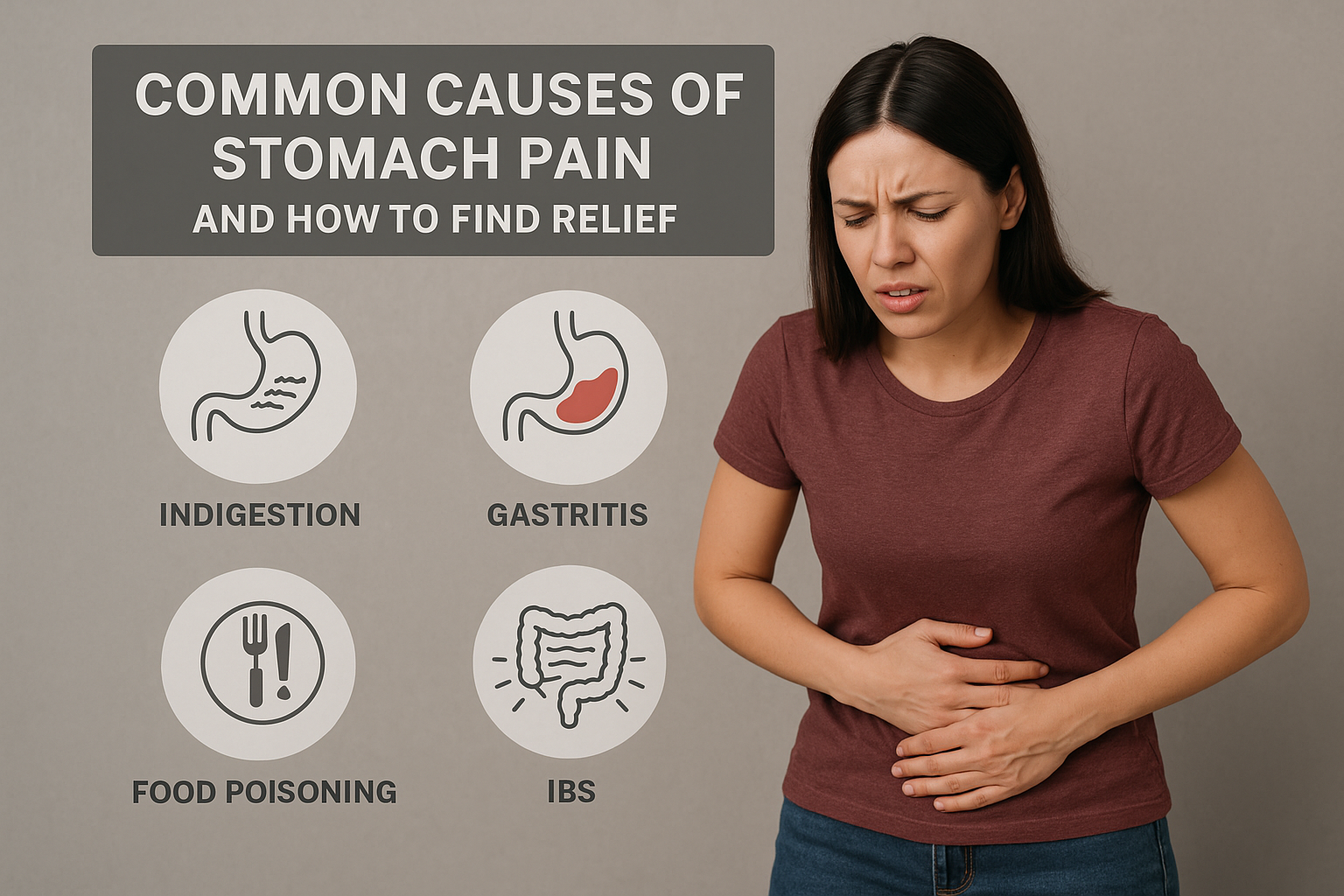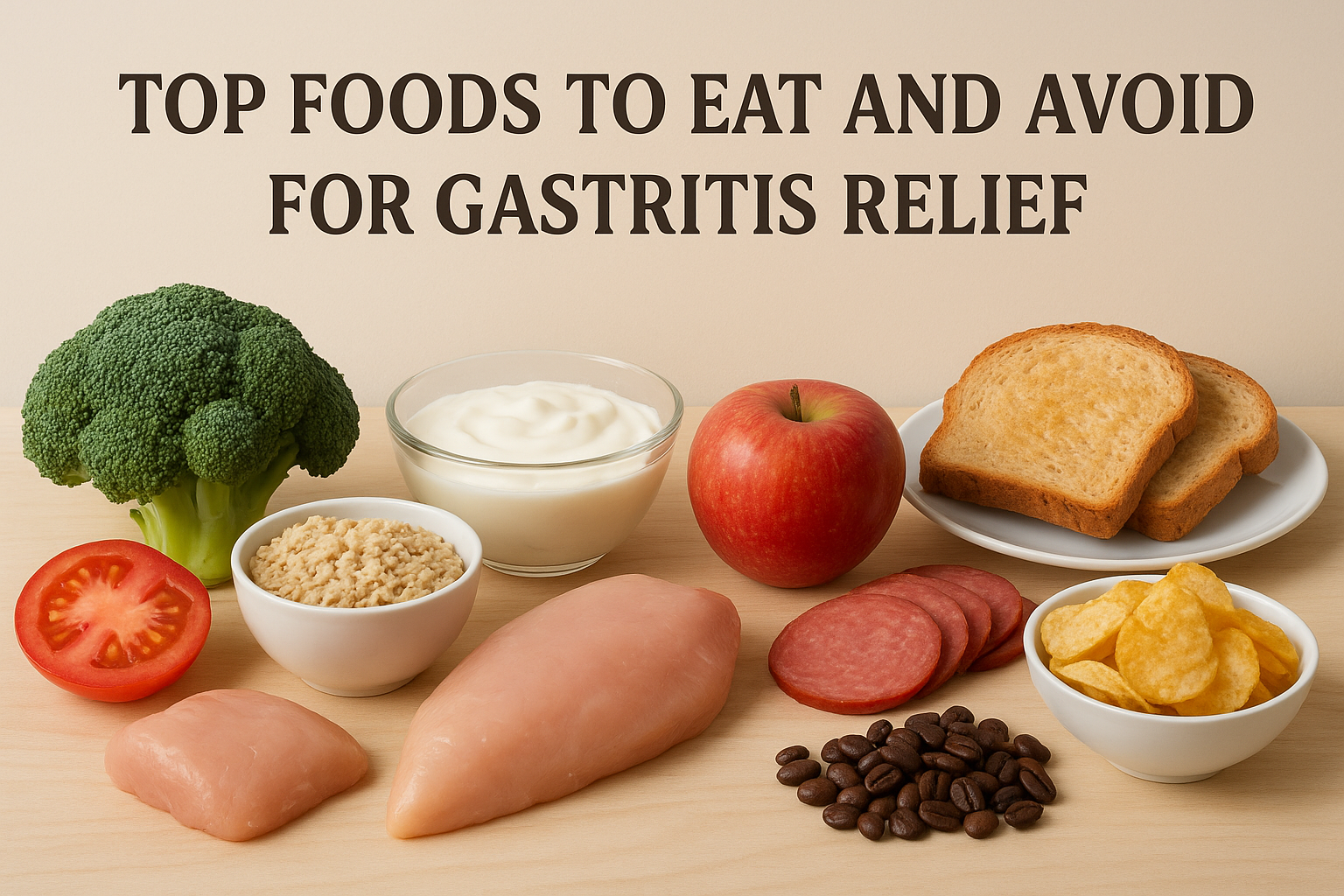
Gastritis occurs when the stomach lining becomes inflamed, leading to symptoms like burning pain, indigestion, bloating, nausea, and discomfort after meals. Diet plays a major role in soothing irritation, reducing acid levels, and supporting healing. Choosing the right foods—and avoiding the wrong ones—helps calm the digestive system, prevents flare-ups, and promotes long-term relief. Here is a detailed guide to the best foods to include in your daily meals and the foods you should strictly avoid to protect your stomach.
Foods to Eat for Gastritis Relief
1. High-Fiber Foods
Fiber supports smooth digestion and reduces irritation in the stomach.
Oats
Brown rice
Carrots
Apples
Bananas
These foods help regulate bowel movements and prevent acid accumulation, easing overall discomfort.
2. Lean Protein Sources
Low-fat proteins are easy to digest and promote healing.
Skinless chicken
Fish
Egg whites
Tofu
Lentils
These options reduce pressure on the stomach and prevent excess acid production.
3. Probiotic-Rich Foods
Probiotics support healthy gut bacteria and encourage faster recovery.
Curd
Buttermilk
Kefir
Fermented vegetables
These foods help restore balance in the digestive system and reduce inflammation.
4. Non-Acidic Fruits
Mild fruits lower irritation and offer essential nutrients.
Melons
Papaya
Pears
Berries
They provide hydration and vitamins without triggering acidity.
5. Low-Fat Dairy Choices
Small quantities of low-fat dairy can soothe the stomach.
Skim milk
Low-fat paneer
Unsweetened yogurt
These foods give gentle nourishment without causing heaviness or acid spikes.
6. Omega-3 Rich Foods
Healthy fats help reduce inflammation naturally.
Flaxseeds
Walnuts
Chia seeds
These anti-inflammatory options protect stomach lining and support healing.
7. Herbal Teas
Certain teas are soothing and help relax the digestive tract.
Chamomile tea
Ginger tea
Green tea
These beverages reduce nausea and bloating while calming irritation.
Foods to Avoid for Gastritis Relief
1. Spicy Foods
Red chili
Pepper
Spicy curries
These can worsen inflammation and increase burning sensations.
2. Acidic Foods
Lemon
Oranges
Pickles
These raise acid levels and irritate the stomach lining.
3. Fried & Fatty Foods
Pakodas
Chips
Deep-fried items
These slow digestion and trigger excessive acid production.
4. Caffeinated Beverages
Coffee
Energy drinks
These stimulate acid secretion and worsen symptoms.
5. Carbonated Drinks
Colas
Sodas
Gas buildup increases bloating and discomfort.
6. Processed Foods
Packaged snacks
Processed meats
Artificial ingredients and preservatives irritate the digestive system.
7. Alcohol & Smoking
These harm the stomach lining and slow healing, causing frequent flare-ups.
Easy Dietary Tips for Daily Relief
Eat small, frequent meals.
Avoid eating late at night.
Drink warm water throughout the day.
Choose homemade meals over processed ones.
Chew food thoroughly and eat slowly.
Maintain a balanced mix of carbs, proteins, and healthy fats.
Conclusion
A balanced, gentle diet can dramatically ease symptoms, protect the stomach lining, and support long-term digestive health. Choosing the right foods daily ensures steady progress and fewer flare-ups.