Top 10 Lifestyle Changes to Keep Your Heart Healthy After 40

As you cross 40, your heart needs extra care due to natural metabolic and hormonal changes. Adopting the right daily habits can significantly reduce the risk of cardiovascular disease and improve longevity. Below are the most effective lifestyle changes recommended by experts for maintaining long-term cardiac wellness.

1. Follow a Heart-Friendly Diet

A balanced plate rich in fruits, vegetables, whole grains, lean proteins, and healthy fats supports heart health. Reducing sodium, processed foods, and refined sugar helps control blood pressure and cholesterol levels naturally.

2. Stay Physically Active Every Day

Regular exercise improves circulation, strengthens the heart muscle, and maintains healthy body weight. Brisk walking, cycling, swimming, or yoga for at least 30 minutes daily is ideal after midlife.

3. Manage Stress Effectively

Chronic stress raises cortisol levels, increasing heart strain. Practicing meditation, deep breathing, or mindfulness reduces emotional pressure and supports cardiovascular balance.

4. Prioritize Quality Sleep

Poor sleep affects blood sugar regulation and increases inflammation. Aim for 7–8 hours of uninterrupted rest to help the heart recover and function efficiently.

5. Maintain a Healthy Body Weight

Excess weight places additional pressure on the heart. Gradual weight management through diet and activity lowers the risk of hypertension and metabolic disorders.

6. Quit Smoking and Limit Alcohol

Smoking damages blood vessels, while excessive alcohol raises triglycerides. Eliminating tobacco and moderating alcohol intake significantly lowers heart attack risk.

7. Monitor Blood Pressure Regularly

High blood pressure often shows no symptoms but causes silent heart damage. Routine monitoring ensures early detection and timely lifestyle correction.

8. Control Blood Sugar Levels

Uncontrolled glucose damages arteries and accelerates heart disease. Balanced meals and regular checkups help prevent diabetes-related complications.

9. Schedule Preventive Health Checkups

Routine screenings help identify risk factors early. Timely medical guidance can prevent serious cardiac events and promote preventive cardiology.

10. Stay Socially and Mentally Active

Strong social connections and mental engagement reduce depression and improve overall heart resilience as you age.

Conclusion

Making small but consistent lifestyle adjustments after 40 can greatly improve heart strength and overall vitality. Prevention is always more effective than treatment when it comes to cardiac care.

Regular monitoring, healthy habits, and timely medical support together form the foundation of a strong heart. Visit our KHIMS Hospitals for expert cardiac guidance and preventive care.

How Your Digestive System Affects Immunity and Overall Wellness

The human body works as an interconnected system, and gut health plays a crucial role in maintaining overall wellness. Your digestive system does more than process food—it strongly influences immunity, energy levels, and long-term health. Understanding this connection helps in preventing illness and improving quality of life.

The Digestive System: More Than Digestion

The digestive tract breaks down food, absorbs nutrients, and eliminates waste. During this process, it also supports the immune system by acting as a protective barrier against harmful microorganisms. Nearly 70% of immune cells reside in the gut, making digestion central to body defense.

Gut Health and Immunity Connection

A healthy gut contains beneficial bacteria known as gut microbiome, which helps regulate immune responses. These bacteria prevent the growth of pathogens, reduce inflammation, and improve resistance to infections. Poor digestion can weaken immunity and increase disease risk.

Role of Nutrient Absorption

Efficient digestion ensures proper nutrient absorption, supplying vitamins, minerals, and antioxidants required for immune cell production. Deficiencies caused by digestive issues can result in fatigue, frequent infections, and slow recovery.

Digestive Health and Inflammation

An unhealthy gut may lead to chronic inflammation, which negatively impacts overall wellness. Inflammation can contribute to lifestyle disorders, joint pain, and reduced immunity. Balanced digestion helps maintain internal harmony.

How Lifestyle Affects Digestive Wellness

Several daily habits influence digestive performance:

  • Eating a balanced diet rich in fiber

  • Staying hydrated

  • Managing stress levels

  • Getting adequate sleep

  • Limiting processed foods

These practices promote gut balance and immune strength.

Signs Your Digestive System Needs Attention

Watch for symptoms such as bloating, irregular bowel movements, acidity, or frequent illness. These may indicate poor digestive health affecting immunity.

Supporting Digestive Health Naturally

Simple steps to support digestion include consuming probiotics, regular physical activity, and mindful eating. Medical guidance can further improve gut-related conditions and immune resilience.

When to Consult a Specialist

Persistent digestive problems may require professional evaluation. Expert care ensures accurate diagnosis and effective management to restore wellness. Visit our Khims Hospitals Khammam for comprehensive digestive and immune health support.

Conclusion

Your digestive system is a cornerstone of immunity and wellness. Maintaining digestive balance strengthens the body’s natural defenses and improves daily health.

Prioritizing gut health through proper nutrition and lifestyle choices leads to long-term vitality and disease prevention.

How to Improve Gut Health Naturally: Diet, Lifestyle & Daily Habits

A healthy digestive system plays a major role in overall wellness, immunity, and daily comfort. Many people struggle with bloating, acidity, constipation, or indigestion, which often connect to poor habits. Improving gut function naturally is possible through mindful food choices and small lifestyle changes.

Understanding Gut Health

Your gut contains millions of beneficial bacteria that help digestion, nutrient absorption, and immune strength. An imbalance in this microbiome may lead to issues like irritable bowel, fatigue, or skin problems. Supporting these good bacteria is essential for long-term wellness.

Diet Tips to Boost Gut Health Naturally

1. Add Fiber-Rich Foods

Fiber improves bowel movement and feeds healthy bacteria. Include whole grains, lentils, fruits, vegetables, and seeds to maintain regularity and reduce inflammation.

2. Eat Probiotic-Rich Foods

Probiotics help restore the microbiome. Add curd, kefir, fermented vegetables, and buttermilk. These foods support easy digestion and reduce acidity.

3. Choose Prebiotic Foods

Prebiotics act as fuel for probiotics. Foods like onions, garlic, bananas, asparagus, and oats help maintain balance and support nutrient absorption.

4. Stay Hydrated

Water helps break down food and allows nutrients to travel smoothly through the gut. Adequate hydration prevents constipation and bloating.

5. Reduce Processed Foods

Packaged snacks, sugary drinks, and fast foods harm gut bacteria and trigger inflammation. Replace them with fresh, home-cooked meals for better digestive comfort.

Lifestyle Habits for Better Digestive Health

1. Eat Slowly & Mindfully

Chewing well improves metabolism and reduces reflux. Mindful eating signals the body to release digestive enzymes effectively.

2. Exercise Regularly

Walking, yoga, stretching, and core exercises stimulate bowel movement and reduce gas or constipation.

3. Manage Stress

Chronic stress affects the gut-brain connection. Deep breathing, meditation, and outdoor activities help calm the digestive system.

4. Maintain Good Sleep

Poor sleep disrupts hormones that control digestion. Aim for consistent sleep to support gut recovery and balance.

5. Limit Unnecessary Antibiotics

Overuse of antibiotics harms beneficial bacteria. Take them only with medical guidance to prevent imbalance.

Conclusion

A balanced diet, mindful eating, and regular activity strengthen digestion and overall health. Natural steps like fiber intake, hydration, and probiotics can transform your gut function gently and effectively.

When symptoms persist or disrupt daily life, consult specialists for expert evaluation and holistic treatment. For complete digestive care, visit our KHIMS Hospitals.

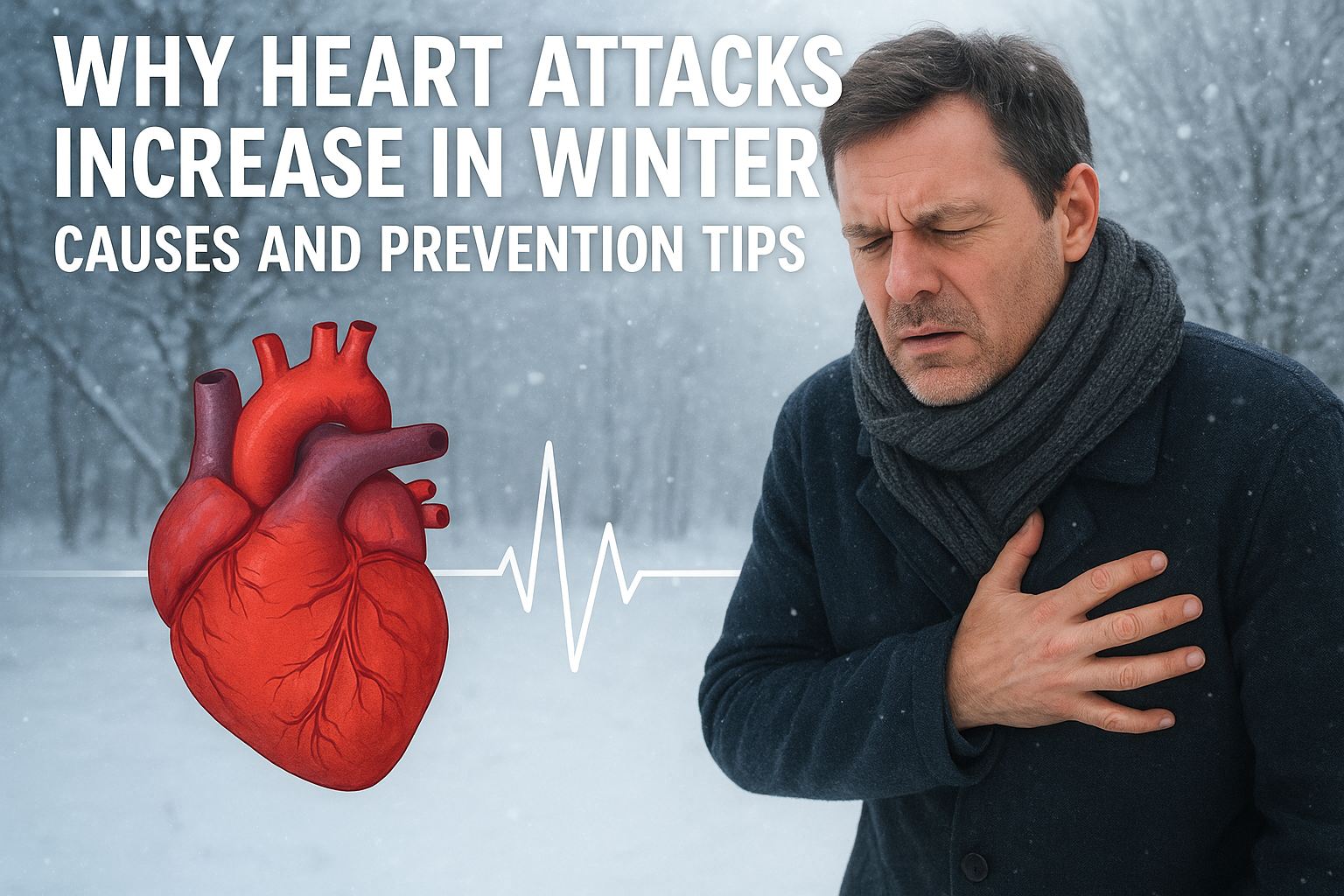
Why Heart Attacks Increase in Winter: Causes and Prevention Tips

Winter brings a noticeable rise in cardiovascular emergencies, especially among people with existing heart conditions. The fall in temperature affects blood vessels, increases strain on the heart, and raises the chances of a sudden cardiac event. Understanding winter-related heart risks can help you stay safe and take preventive steps early.

Why Heart Risks Rise in Cold Weather

The cold environment triggers the body to conserve heat. This causes blood vessels to narrow, forcing the heart to pump harder. For people with high blood pressure, cholesterol issues, or diabetes, this extra workload increases the risk of a heart attack, especially in early mornings when temperature dips are severe.

1. Sudden Drop in Temperature

  • Cold air tightens arteries, reducing blood flow.

  • Restricted circulation increases the chances of clot formation.

  • Morning exposure raises the stress on your heart.

2. Higher Blood Pressure Levels

  • Winter naturally increases blood pressure.

  • Thickened blood moves slowly, making blockages more likely.

  • People with hypertension are at greater risk.

3. Reduced Physical Activity

  • People tend to stay indoors in winter.

  • Low activity leads to weight gain and poor circulation.

  • Lack of exercise weakens the heart muscle.

4. Viral Infections & Flu

  • Winter infections increase inflammation in the body.

  • Inflamed arteries become more vulnerable to blockages.

  • Flu can worsen chest discomfort or trigger cardiac strain.

5. Overeating During Festive Season

  • Winter celebrations often include heavy meals.

  • High-fat foods raise cholesterol levels.

  • Sudden spikes in triglycerides stress the heart.

Prevention Tips for a Healthier Winter Heart

Stay Physically Active

Light walking, stretching, and home workouts maintain heart strength and blood flow during cold months.

Dress in Warm Layers

Cover your head, hands, and feet to reduce heat loss and prevent blood vessels from tightening.

Monitor Blood Pressure & Sugar Levels

Check levels regularly, especially for people with chronic health issues or age-related risks.

Maintain a Balanced Diet

Include fruits, vegetables, nuts, and warm soups. Limit salt, sugar, and fried foods to reduce cardiac stress.

Avoid Sudden Temperature Exposure

Move slowly from warm rooms into cold outdoor temperatures to prevent a sudden rise in heart workload.

Conclusion 

Cold weather increases heart strain, but simple lifestyle steps such as regular exercise, warm clothing, and healthy eating can help protect your heart through winter months.

People with heart disease must be extra careful during chilly mornings. Routine checkups, timely medications, and early symptom awareness can help prevent emergencies and improve heart safety.

If you notice chest pain, breathlessness, or unusual fatigue in winter, seek timely help. For expert care, visit our KHIMS Hospitals.

 Heart Disease in Women: Why Symptoms Differ and What You Need to Know

Heart disease in women often goes unnoticed because its signs differ from those in men. While chest pain is the most recognized symptom, women frequently experience subtle signals such as fatigue, nausea, or shortness of breath. Understanding these gender-specific symptoms can save lives and promote early diagnosis.

1. Why Heart Disease Affects Women Differently

Biological and hormonal factors play a major role in how heart disease develops in women. The decline of estrogen after menopause increases the risk of plaque buildup in arteries. Women also have smaller coronary vessels, making blockages harder to detect. Emotional stress and autoimmune conditions further heighten their vulnerability.

2. Common Symptoms of Heart Disease in Women

Unlike men, women may not always feel intense chest pain during a heart attack. Instead, they may notice:

  • Unexplained shortness of breath

  • Dizziness or lightheadedness

  • Fatigue or sleep disturbances

  • Pain in the jaw, neck, shoulder, or back

  • Nausea or indigestion

Recognizing these female heart attack symptoms early can prevent severe heart damage and improve recovery.

3. Major Risk Factors for Women

Certain lifestyle and medical conditions elevate the risk of cardiovascular health problems in women:

  • High blood pressure

  • Diabetes and obesity

  • Smoking and alcohol use

  • Family history of heart disease

  • Sedentary lifestyle

  • Stress and depression

Being aware of these factors helps women make informed decisions about their women’s heart care routines.

4. Preventive Measures for a Healthy Heart

Adopting preventive cardiology practices can reduce heart disease risks significantly. Some effective measures include:

  • Maintaining a balanced diet rich in fruits, vegetables, and lean proteins

  • Regular physical activity, such as brisk walking or yoga

  • Controlling blood sugar and cholesterol levels

  • Avoiding smoking and managing stress

  • Scheduling regular cardiac check-ups

Early intervention and lifestyle management can make a powerful difference in long-term heart wellness.

5. Diagnosis and Treatment Options

Advanced diagnostic tools like ECG, echocardiograms, and stress tests help detect hidden cardiovascular issues in women. Treatments may involve medication, angioplasty, or bypass surgery, depending on severity. Regular consultations with a cardiologist are essential for personalized care and monitoring.

Conclusion

Women must recognize that heart disease is not just a man’s issue—it’s the leading cause of death among women globally. Awareness and early action can save countless lives.

At KHIMS Hospitals, we provide advanced diagnostic facilities and expert care tailored for women’s cardiac health.

How the Human Nervous System Works: A Simple Guide for Everyone

Understanding the Human Nervous System

The human nervous system is the body’s communication network, sending signals between the brain, spinal cord, and every organ. It controls movement, sensation, and vital functions that keep us alive. Understanding how it works helps us appreciate how complex and amazing our body truly is.

What Is the Nervous System?

The nervous system is made up of specialized cells called neurons that transmit electrical messages. It consists of two main parts:

  • Central Nervous System (CNS) – includes the brain and spinal cord.
  • Peripheral Nervous System (PNS) – includes all the nerves outside the CNS.

These systems work together to collect information, process it, and trigger appropriate body responses.

The Brain: Command Center of the Body

The brain is the control hub of the nervous system. It interprets data from the senses, makes decisions, and sends signals through the spinal cord. Major parts include:

  • Cerebrum: Handles thinking, memory, and voluntary actions.
  • Cerebellum: Controls balance and coordination.
  • Brainstem: Regulates breathing, heart rate, and sleep.

Without the brain’s precise coordination, even simple tasks would be impossible.

The Spinal Cord: The Message Pathway

The spinal cord acts as a highway for communication between the brain and the rest of the body. It also manages reflex actions that help you respond quickly to danger — like pulling your hand away from something hot — without waiting for brain input.

The Peripheral Nervous System: Connecting the Body

The PNS links the CNS to limbs and organs. It has two divisions:

  • Somatic Nervous System: Controls voluntary movements.
  • Autonomic Nervous System: Regulates involuntary functions like heartbeat and digestion.

The autonomic part further divides into the sympathetic (fight or flight) and parasympathetic (rest and digest) systems, maintaining internal balance.

How Nerves Communicate: The Role of Neurons

Neurons transmit signals using electrical impulses and chemical messengers called neurotransmitters. Each neuron has three parts:

  • Dendrites receive messages.
  • Axons send impulses.
  • Synapses transfer signals between neurons.

This rapid communication enables you to move, think, and feel within milliseconds.

Importance of a Healthy Nervous System

A strong nervous system is essential for overall well-being. Good nutrition, regular exercise, proper sleep, and stress control help protect brain and nerve function. Avoiding toxins and maintaining good posture also support nerve health.

Common Nervous System Disorders

Some neurological disorders affect nerve communication, such as:

  • Parkinson’s disease – causes tremors and stiffness.
  • Multiple sclerosis (MS) – damages nerve coverings.
  • Peripheral neuropathy – leads to tingling or numbness in limbs.
  • Epilepsy – causes recurrent seizures.

Early diagnosis and treatment can prevent long-term complications.

Conclusion

The human nervous system is a complex yet beautifully coordinated structure that controls every thought, emotion, and action. Taking care of it ensures a healthier, more active life.

Visit our KHIMS Hospital, Khammam for expert neurological care and advanced treatment options designed to keep your nerves and brain functioning at their best.

Top 10 Lifestyle Changes to Keep Your Heart Healthy

A healthy heart is the foundation of a long and energetic life. With rising cases of heart disease, taking proactive steps toward heart health is more important than ever. Small daily changes can make a big difference in protecting your heart and improving your overall cardiovascular wellness.

1. Eat a Balanced Diet

A nutritious heart-healthy diet rich in fruits, vegetables, whole grains, and lean proteins keeps your arteries clear and reduces cholesterol. Limit saturated fats, salt, and sugar for better cardiac care.

2. Exercise Regularly

Engaging in regular physical activity strengthens the heart muscle, improves blood circulation, and helps maintain ideal body weight. Aim for at least 30 minutes of brisk walking, cycling, or swimming daily.

3. Maintain a Healthy Weight

Being overweight increases your risk of high blood pressure and heart disease. Monitor your BMI and waist circumference to stay within healthy limits and support your heart fitness.

4. Quit Smoking

Smoking is a major cause of heart attacks and stroke. Quitting smoking can significantly enhance your heart’s function and increase your life expectancy. Seek professional help if needed.

5. Limit Alcohol Consumption

Excessive alcohol can raise blood pressure and damage the heart muscle. Practice moderation to ensure healthy circulation and prevent cardiac complications.

6. Manage Stress Effectively

Chronic stress leads to inflammation and irregular heartbeat. Try meditation, yoga, or deep breathing exercises to calm your mind and support emotional well-being.

7. Get Enough Sleep

Quality sleep is essential for heart rhythm stability. Poor sleep increases the risk of hypertension, obesity, and diabetes—conditions linked to heart disease. Aim for 7–8 hours nightly.

8. Monitor Blood Pressure Regularly

Regular blood pressure check-ups help detect early signs of heart strain. Keep your readings below 120/80 mmHg and consult your doctor if they rise consistently.

9. Control Cholesterol Levels

Excess LDL cholesterol can clog arteries and cause heart attacks. Include foods rich in omega-3 fatty acids, fiber, and antioxidants to maintain healthy lipid balance.

10. Stay Hydrated

Drinking enough water helps in maintaining proper blood circulation and prevents dehydration-related stress on the heart. Replace sugary drinks with water or herbal tea.

Conclusion

Your heart works tirelessly for you—so take care of it with simple, consistent lifestyle habits. These ten changes can significantly lower your risk of cardiovascular problems and boost long-term vitality.

Visit our KHIMS Hospitals for expert cardiology care, advanced treatments, and personalized guidance for a stronger, healthier heart.

Complications of Diabetes and How to Prevent Them Early

Diabetes is a chronic health condition that affects how your body converts food into energy. If left uncontrolled, it can lead to serious diabetes complications that impact multiple organs. Understanding these risks and taking preventive steps can help you live a healthier, longer life.

1. Common Complications of Diabetes

Uncontrolled high blood sugar levels over time can damage blood vessels, nerves, and organs. Here are the most common complications:

  • Diabetic Neuropathy – Nerve damage causes tingling, pain, or numbness, especially in the feet and hands.
  • Diabetic Retinopathy – Affects the eyes and may lead to blindness if untreated.
  • Kidney Disease (Diabetic Nephropathy) – Long-term high glucose levels damage kidney filters.
  • Heart Disease – Diabetes increases the risk of heart attack, stroke, and hypertension.
  • Foot Problems – Poor circulation and nerve damage may cause ulcers or infections.
  • Skin Conditions – People with diabetes often experience bacterial and fungal skin infections.

2. Early Warning Signs You Shouldn’t Ignore

Early detection is crucial in preventing diabetes-related issues. Watch for:

  1. Frequent urination and excessive thirst.
  2. Blurred vision or eye strain.
  3. Tingling or numbness in feet.
  4. Fatigue and slow-healing wounds.
  5. Unexpected weight loss or gain.

3. How to Prevent Diabetes Complications Early

Managing your diabetes effectively can prevent or delay most complications.

a. Monitor Blood Sugar Regularly

Use a glucose meter to track your blood sugar and stay within your target range. Consistent monitoring helps detect fluctuations early.

b. Maintain a Balanced Diet

Focus on healthy eating, including whole grains, lean proteins, fruits, and vegetables. Limit refined sugars and saturated fats to prevent blood sugar spikes.

c. Exercise Daily

Engage in at least 30 minutes of physical activity like walking, cycling, or yoga. Exercise improves insulin sensitivity and reduces cardiovascular risk.

d. Control Blood Pressure and Cholesterol

Keep your blood pressure and cholesterol in check to prevent cardiovascular disease.

e. Quit Smoking and Limit Alcohol

Smoking and excessive alcohol use increase your chances of nerve and kidney damage.

f. Regular Health Check-ups

Visit your diabetes specialist or endocrinologist every 3–6 months. Early screening helps identify issues before they become severe.

4. Long-Term Management Tips

  • Maintain a healthy lifestyle with stress management and adequate sleep.
  • Keep track of your HbA1c levels.
  • Educate yourself about diabetes care through reliable sources.
  • Follow your doctor’s prescribed medication and diet plan strictly.

Conclusion

Preventing complications of diabetes starts with awareness and proactive care. Managing blood sugar, staying active, and getting regular medical check-ups can protect your heart, kidneys, eyes, and nerves.

Visit our Khims Hospital Khammam for expert diabetic care, personalized treatment plans, and early complication screening.

Cholesterol in Women vs. Men: Key Differences You Should Know

Cholesterol plays a vital role in our body, but its imbalance can lead to serious heart-related issues. Interestingly, cholesterol levels in women and men behave differently due to hormonal, genetic, and lifestyle factors. Understanding these gender differences in cholesterol helps in preventing heart disease, stroke, and other cardiovascular conditions effectively.

What is Cholesterol?

Cholesterol is a fatty substance present in the blood, essential for building cells and producing hormones. However, when LDL cholesterol (bad cholesterol) levels rise or HDL cholesterol (good cholesterol) drops, it increases the risk of atherosclerosis—the buildup of plaque in arteries.

How Cholesterol Differs Between Women and Men

1. Hormonal Influence

  • Estrogen in women helps maintain higher HDL cholesterol levels before menopause, offering natural protection against heart attacks.
  • After menopause, estrogen levels drop, leading to increased LDL cholesterol and higher heart disease risk.
  • Men, on the other hand, tend to have higher LDL and lower HDL from a younger age, making them more prone to coronary artery disease early in life.

2. Age and Cholesterol Levels

  • Women’s cholesterol typically rises sharply after the age of 50.
  • Men’s cholesterol increases gradually, peaking between 45–55 years.

3. Body Fat Distribution

  • Women often store fat around hips and thighs, while men accumulate abdominal fat, which directly impacts triglyceride levels and metabolic syndrome risk.

Cholesterol-Related Health Risks

In Women
  • Increased LDL cholesterol post-menopause.
  • Higher risk of high blood pressure and stroke after 50.
  • Delayed symptoms of coronary heart disease.
In Men
  • Early onset of heart attack and atherosclerosis.
  • Lower HDL levels cause faster plaque buildup.
  • Greater risk of peripheral artery disease.

Lifestyle and Dietary Differences

To manage cholesterol naturally, both men and women can follow these lifestyle habits:

  1. Eat heart-healthy foods like oats, almonds, avocados, and olive oil.
  2. Avoid trans fats found in processed and fried foods.
  3. Exercise regularly—at least 150 minutes of moderate activity per week.
  4. Quit smoking and limit alcohol consumption.
  5. Maintain a healthy weight and monitor blood sugar levels.

Diagnosis and Treatment

Doctors recommend a lipid profile test every 5 years after age 20. Treatment may include:

  • Statins for lowering LDL.
  • Lifestyle modifications for improving HDL.
  • Regular monitoring for early detection of cholesterol imbalance.

Conclusion

Men and women experience cholesterol differently due to hormones, age, and lifestyle. Awareness, prevention, and timely treatment are the keys to maintaining a healthy heart and balanced cholesterol.

Visit our Khims Hospital Khammam for expert cholesterol management and advanced cardiac care tailored to your health needs.

Managing Joint Pain in Women: Hormonal and Lifestyle Factors

Joint pain is a common issue that affects millions of women worldwide, often becoming more noticeable with age or hormonal changes. Whether it’s stiffness in the knees, soreness in the shoulders, or aching hands, many women experience discomfort that interferes with daily life. Understanding the connection between hormones, lifestyle, and joint health is key to managing pain effectively and maintaining long-term mobility.

The Hormonal Connection to Joint Pain

Women’s bodies undergo significant hormonal changes throughout life — during puberty, pregnancy, menstruation, and menopause. These fluctuations can directly impact joint health.

  • Estrogen and Joint Health:
    Estrogen plays a crucial role in reducing inflammation and maintaining joint lubrication. When estrogen levels drop, especially during menopause, many women notice increased stiffness and discomfort in their joints.

  • Menopause and Osteoarthritis:
    The decline in estrogen can also accelerate cartilage wear, increasing the risk of osteoarthritis, particularly in weight-bearing joints like the knees and hips.

  • Pregnancy and Joint Stress:
    During pregnancy, hormonal shifts such as increased relaxin levels loosen ligaments, sometimes causing instability and pain in the pelvic or knee joints.

Lifestyle Factors That Influence Joint Pain

While hormonal changes are inevitable, lifestyle factors often determine how severely joint pain affects you. Small adjustments can make a significant difference in long-term joint comfort and strength.

  1. Physical Inactivity
    Sedentary habits weaken muscles that support the joints, leading to increased strain and stiffness. Regular movement, stretching, and low-impact exercises like swimming, yoga, or brisk walking can help maintain flexibility.

  2. Poor Posture and Ergonomics
    Sitting or standing incorrectly for long periods can misalign joints and cause pain. Using ergonomic chairs, adjusting your workspace, and taking posture breaks are essential for joint health.

  3. Unhealthy Diet
    Diets high in processed foods and sugar can increase inflammation. Instead, focus on foods rich in omega-3 fatty acids, antioxidants, calcium, and vitamin D — such as fish, nuts, leafy greens, and dairy.

  4. Obesity and Joint Pressure
    Excess body weight puts additional stress on joints, especially the knees and hips. Even modest weight loss can reduce pain and improve joint mobility.

  5. Stress and Sleep Deprivation
    Chronic stress and poor sleep can heighten pain sensitivity and inflammation. Mindfulness, relaxation techniques, and good sleep hygiene are important parts of joint pain management.

Practical Tips to Manage Joint Pain

  • Maintain a balanced exercise routine with stretching and strengthening workouts.

  • Incorporate anti-inflammatory foods into your daily meals.

  • Stay hydrated to support cartilage health.

  • Avoid high heels and unsupportive footwear, which can strain lower joints.

  • Consult a doctor or physiotherapist for personalized guidance and treatment options like physiotherapy, medication, or supplements.

Conclusion

Joint pain in women is often influenced by a complex mix of hormonal and lifestyle factors. By understanding these connections and making mindful lifestyle choices, women can take charge of their joint health at every stage of life. With timely medical support and a balanced lifestyle, it’s possible to stay active, flexible, and pain-free for years to come.