How to Improve Gut Health Naturally: Diet, Lifestyle & Daily Habits

A healthy digestive system plays a major role in overall wellness, immunity, and daily comfort. Many people struggle with bloating, acidity, constipation, or indigestion, which often connect to poor habits. Improving gut function naturally is possible through mindful food choices and small lifestyle changes.

Understanding Gut Health

Your gut contains millions of beneficial bacteria that help digestion, nutrient absorption, and immune strength. An imbalance in this microbiome may lead to issues like irritable bowel, fatigue, or skin problems. Supporting these good bacteria is essential for long-term wellness.

Diet Tips to Boost Gut Health Naturally

1. Add Fiber-Rich Foods

Fiber improves bowel movement and feeds healthy bacteria. Include whole grains, lentils, fruits, vegetables, and seeds to maintain regularity and reduce inflammation.

2. Eat Probiotic-Rich Foods

Probiotics help restore the microbiome. Add curd, kefir, fermented vegetables, and buttermilk. These foods support easy digestion and reduce acidity.

3. Choose Prebiotic Foods

Prebiotics act as fuel for probiotics. Foods like onions, garlic, bananas, asparagus, and oats help maintain balance and support nutrient absorption.

4. Stay Hydrated

Water helps break down food and allows nutrients to travel smoothly through the gut. Adequate hydration prevents constipation and bloating.

5. Reduce Processed Foods

Packaged snacks, sugary drinks, and fast foods harm gut bacteria and trigger inflammation. Replace them with fresh, home-cooked meals for better digestive comfort.

Lifestyle Habits for Better Digestive Health

1. Eat Slowly & Mindfully

Chewing well improves metabolism and reduces reflux. Mindful eating signals the body to release digestive enzymes effectively.

2. Exercise Regularly

Walking, yoga, stretching, and core exercises stimulate bowel movement and reduce gas or constipation.

3. Manage Stress

Chronic stress affects the gut-brain connection. Deep breathing, meditation, and outdoor activities help calm the digestive system.

4. Maintain Good Sleep

Poor sleep disrupts hormones that control digestion. Aim for consistent sleep to support gut recovery and balance.

5. Limit Unnecessary Antibiotics

Overuse of antibiotics harms beneficial bacteria. Take them only with medical guidance to prevent imbalance.

Conclusion

A balanced diet, mindful eating, and regular activity strengthen digestion and overall health. Natural steps like fiber intake, hydration, and probiotics can transform your gut function gently and effectively.

When symptoms persist or disrupt daily life, consult specialists for expert evaluation and holistic treatment. For complete digestive care, visit our KHIMS Hospitals.
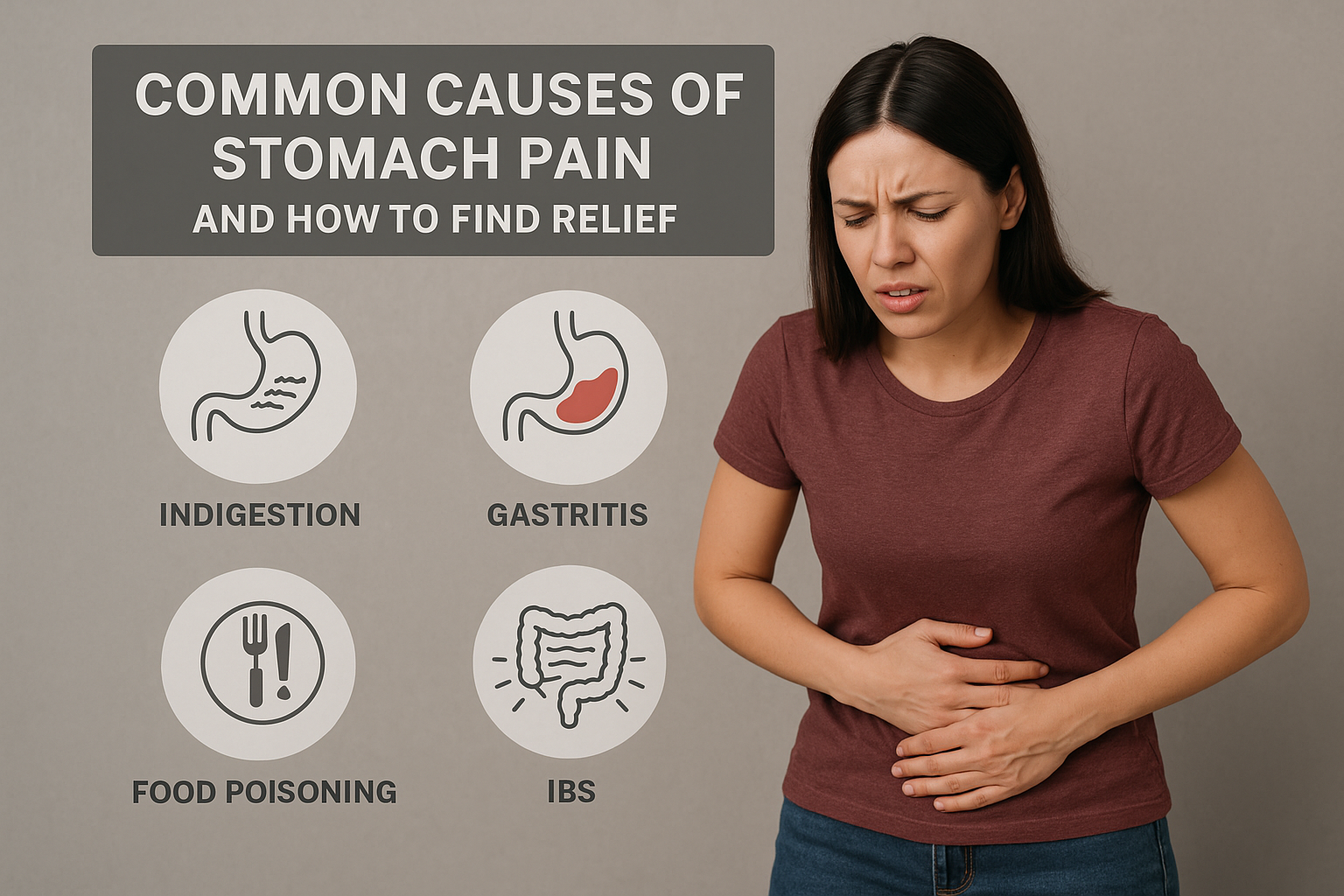
 Common Causes of Stomach Pain and How to Find Relief

Understanding Stomach Pain

Stomach pain is one of the most frequent digestive complaints. It can range from mild discomfort to severe cramping that affects daily life. The pain may come from issues in the stomach, intestines, liver, gallbladder, or other nearby organs. Identifying the cause early can help you get proper treatment and long-lasting relief.

1. Indigestion – The Most Common Culprit

Indigestion often causes burning pain or fullness in the upper abdomen after meals. It may result from eating too quickly, consuming spicy or fatty foods, or stress. Staying hydrated, avoiding heavy meals before bedtime, and eating smaller portions can help ease symptoms naturally.

2. Acid Reflux and Heartburn

Acid reflux occurs when stomach acid backs up into the esophagus, leading to a burning sensation. It’s often triggered by overeating, caffeine, or lying down after meals. Elevating the head while sleeping and limiting acidic foods can reduce discomfort and improve digestion.

3. Gastritis – Inflammation of the Stomach Lining

Gastritis causes sharp or dull abdominal pain, nausea, and bloating. It may occur due to excessive alcohol, prolonged medication use, or bacterial infections like H. pylori. A balanced diet rich in fiber and probiotics supports healing and strengthens digestive health.

4. Constipation and Bloating

Constipation leads to stomach pressure, bloating, and pain. A lack of fiber, dehydration, and a sedentary lifestyle are common triggers. Increase fiber intake through fruits and vegetables, drink plenty of water, and stay physically active to keep your gut functioning smoothly.

5. Gastroenteritis – Stomach Infection

Gastroenteritis, or stomach flu, is caused by viral or bacterial infection. It leads to vomiting, diarrhea, and abdominal cramps. Rest, hydration, and light meals are essential for recovery. Avoid street food and practice good hygiene to prevent infection.

6. Gallstones and Other Digestive Disorders

Sometimes, stomach pain may stem from gallstones or liver problems. Gallstones cause intense pain after fatty meals. In such cases, professional medical evaluation is vital to prevent complications.

When to See a Doctor

Persistent or severe stomach pain should not be ignored. Symptoms like vomiting blood, unexplained weight loss, or yellowing of the skin need immediate medical care. Visit our KHIMS Hospitals for expert diagnosis and treatment from our experienced gastroenterology team.

Home Remedies and Relief Tips

  • Eat slowly and chew food thoroughly

  • Avoid oily, spicy, and processed foods

  • Drink herbal teas like ginger or peppermint

  • Maintain regular bowel movements

  • Manage stress with yoga or meditation

Conclusion

Understanding the common causes of stomach pain helps you take preventive steps for better digestive health. Early treatment and lifestyle changes can bring lasting relief.

For chronic or severe pain, consult the specialists at KHIMS Hospitals for personalized care and advanced treatments.