How Your Digestive System Affects Immunity and Overall Wellness

The human body works as an interconnected system, and gut health plays a crucial role in maintaining overall wellness. Your digestive system does more than process food—it strongly influences immunity, energy levels, and long-term health. Understanding this connection helps in preventing illness and improving quality of life.

The Digestive System: More Than Digestion

The digestive tract breaks down food, absorbs nutrients, and eliminates waste. During this process, it also supports the immune system by acting as a protective barrier against harmful microorganisms. Nearly 70% of immune cells reside in the gut, making digestion central to body defense.

Gut Health and Immunity Connection

A healthy gut contains beneficial bacteria known as gut microbiome, which helps regulate immune responses. These bacteria prevent the growth of pathogens, reduce inflammation, and improve resistance to infections. Poor digestion can weaken immunity and increase disease risk.

Role of Nutrient Absorption

Efficient digestion ensures proper nutrient absorption, supplying vitamins, minerals, and antioxidants required for immune cell production. Deficiencies caused by digestive issues can result in fatigue, frequent infections, and slow recovery.

Digestive Health and Inflammation

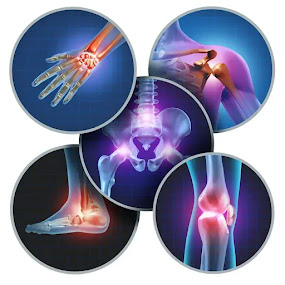
An unhealthy gut may lead to chronic inflammation, which negatively impacts overall wellness. Inflammation can contribute to lifestyle disorders, joint pain, and reduced immunity. Balanced digestion helps maintain internal harmony.

How Lifestyle Affects Digestive Wellness

Several daily habits influence digestive performance:

  • Eating a balanced diet rich in fiber

  • Staying hydrated

  • Managing stress levels

  • Getting adequate sleep

  • Limiting processed foods

These practices promote gut balance and immune strength.

Signs Your Digestive System Needs Attention

Watch for symptoms such as bloating, irregular bowel movements, acidity, or frequent illness. These may indicate poor digestive health affecting immunity.

Supporting Digestive Health Naturally

Simple steps to support digestion include consuming probiotics, regular physical activity, and mindful eating. Medical guidance can further improve gut-related conditions and immune resilience.

When to Consult a Specialist

Persistent digestive problems may require professional evaluation. Expert care ensures accurate diagnosis and effective management to restore wellness. Visit our Khims Hospitals Khammam for comprehensive digestive and immune health support.

Conclusion

Your digestive system is a cornerstone of immunity and wellness. Maintaining digestive balance strengthens the body’s natural defenses and improves daily health.

Prioritizing gut health through proper nutrition and lifestyle choices leads to long-term vitality and disease prevention.

పిల్లల్లో కిడ్నీ సమస్యలు: చిన్న సంకేతాలు, పెద్ద ప్రమాదం – తల్లిదండ్రులు తప్పక తెలుసుకోవాలి!

పిల్లలలో కిడ్నీ సమస్యలు సాధారణంగా కనిపించకపోయినా, ఒకసారి ప్రారంభమైన తర్వాత వేగంగా పెరుగుతాయి. చిన్న లక్షణాలే పెద్ద సమస్యలకు సంకేతాలు కావచ్చు. అందుకే తల్లిదండ్రులు ఈ విషయాలను తెలుసుకొని ముందే అప్రమత్తంగా ఉండటం చాలా అవసరం.

పిల్లల్లో కిడ్నీ సమస్యలకు ప్రధాన కారణాలు

1. ఇన్ఫెక్షన్లు (UTI – మూత్ర మార్గ ఇన్ఫెక్షన్)

పిల్లల్లో చాలా సాధారణంగా కనిపించే సమస్య. ముఖ్యంగా అమ్మాయిల్లో ఎక్కువగా ఉంటుంది.
• తరచూ మూత్రం పోవడం
• మూత్రం వేయేటప్పుడు నొప్పి

2. పుట్టుకతో వచ్చే కిడ్నీ మార్పులు (Congenital Defects)

కొంతమంది పిల్లల్లో కిడ్నీలు సరిగా అభివృద్ధి చెందకపోవచ్చు.
• Hydronephrosis
• Reflux సమస్యలు

3. నీళ్లు తక్కువగా తాగడం

డీహైడ్రేషన్ వల్ల కిడ్నీలు సరిగా పనిచేయవు. వేసవికాలంలో ఇది ఎక్కువగా కనిపిస్తుంది.

4. అధిక ఉప్పు లేదా జంక్ ఫుడ్

ప్యాకేజ్డ్ ఫుడ్స్, చిప్స్, సాఫ్ట్‌డ్రింక్స్ — ఇవన్నీ కిడ్నీపై ఒత్తిడి పెంచుతాయి.

5. తరచూ జ్వరాలు & ఇమ్మ్యూన్ సమస్యలు

కొన్ని ఇమ్మ్యూన్ సంబంధిత వ్యాధులు కిడ్నీపై ప్రభావం చూపుతాయి.
• Nephrotic syndrome
• Glomerulonephritis

పిల్లల్లో కనిపించే ముఖ్య లక్షణాలు (Warning Signs)

✔ కాళ్లు, ముఖం లేదా కళ్ల చుట్టూ వాపు
✔ మూత్రం రంగు గాఢంగా రావడం
✔ మూత్రంలో రక్తపు చారలు
✔ తరచూ జ్వరాలు
✔ ఆకలి తగ్గడం
✔ బరువు పెరగకపోవడం
✔ మూత్రం చెడు వాసనతో రావడం
✔ కడుపు నొప్పి, వాంతులు

ఈ లక్షణాలు చిన్న సమస్య అనిపించినా, ఇవి కిడ్నీ సమస్యలకు స్పష్టమైన హెచ్చరికలు కావచ్చు.

తల్లిదండ్రులు తప్పక పాటించాల్సిన జాగ్రత్తలు

1. పిల్లలకు తగినంత నీరు ఇవ్వండి

రోజుకి కనీసం 5–6 గ్లాసుల నీరు తాగాలి (వయసు ఆధారంగా).

2. హైజీన్‌ను కచ్చితంగా పాటించండి

బాత్రూమ్ హైజీన్, సరిగ్గా శుభ్రం చేసుకోవడం UTI ని తగ్గిస్తుంది.

3. జంక్ ఫుడ్ తగ్గించండి

ఉప్పు, చక్కెర, సోడాలు తగ్గిస్తే కిడ్నీలు ఆరోగ్యంగా ఉంటాయి.

4. బాలుని మూత్రపు అలవాట్లను గమనించండి

మూత్రం ఎక్కువగా వెళ్లడం / లేకపోవడం రెండు కూడా సమస్యలకు సంకేతం.

5. పిల్లలకు అన్ని పరీక్షలు చేయించండి (Check-ups)

పార్వాడికల్ కిడ్నీ స్క్రీనింగ్, మూత్ర పరీక్ష, రక్తపరీక్ష అవసరమయ్యే సందర్భాలు ఉంటాయి.

చికిత్స ఎప్పుడు అవసరం?

• లక్షణాలు 2–3 రోజులకు పైగా కొనసాగితే
• వాపు వేగంగా పెరిగితే
• మూత్రంలో రక్తం గమనిస్తే
• పదేపదే UTI వస్తే

వెంటనే నెఫ్రాలజిస్ట్‌ను సంప్రదించడం చాలా ముఖ్యం.

పిల్లల కిడ్నీలను కాపాడటం – తల్లిదండ్రుల చేతుల్లోనే!

చిన్న జాగ్రత్తలు పిల్లల భవిష్యత్తు ఆరోగ్యాన్ని రక్షిస్తాయి. సమయానికి పరీక్షలు, సరైన చికిత్స, మంచి అలవాట్లు — ఇవన్నీ కిడ్నీ ఆరోగ్యానికి రక్షణగోడలా పనిచేస్తాయి.

How Much Exercise Do You Really Need for a Healthy Heart?

A strong cardiovascular system depends on consistent physical activity. Many people wonder how much daily movement supports long-term wellness. Understanding the ideal routine helps improve stamina, maintain energy levels, and reduce the risk of major complications. Even small lifestyle adjustments make a big impact when followed regularly.

Why Your Heart Needs Regular Physical Activity

Daily movement strengthens the circulatory system by improving oxygen flow and lowering strain on vital organs. It supports better endurance, enhances rhythm stability, and helps maintain a healthy weight. These benefits protect against chronic fatigue and sudden issues that develop from a sedentary routine.

Recommended Weekly Activity Levels

Experts suggest a structured schedule that balances intensity and duration. The ideal plan includes moderate workouts spread throughout the week to maintain rhythm and avoid unnecessary stress.

General Guidelines

  • Aim for at least 150 minutes of moderate activity weekly.

  • Include 75 minutes of higher-intensity training for improved stamina.

  • Combine both forms to keep your routine balanced.

  • Spread your sessions over 4–5 days to avoid overexertion.

Types of Movements That Improve Heart Strength

A variety of workouts contribute to better internal function. Mixing different categories keeps the routine effective and enjoyable.

Aerobic Activities

Brisk walking, cycling, swimming, dancing, or jogging help boost circulation and support healthy breathing patterns.

Strength-Building Exercises

Light weightlifting or resistance training improves muscle tone and supports joint stability, helping the body move efficiently.

Flexibility Movements

Stretching and yoga maintain mobility, reduce stiffness, and improve posture, which helps the body perform physical tasks comfortably.

How to Build a Sustainable Routine

Consistency matters more than intensity. Small steps every day lead to long-term health gains.

Tips for Beginners

  • Start with 20–30 minutes per session.

  • Increase pace slowly to avoid injury.

  • Use comfortable footwear and stay hydrated.

  • Track progress to maintain motivation.

Common Mistakes to Avoid

  • Ignoring warm-ups before beginning any workout.

  • Exercising too hard without rest days.

  • Skipping proper form during training.

  • Forgetting to cool down after activity.

When to Seek Professional Guidance

Consult a specialist if you experience dizziness, chest tightness, or unusual discomfort during movement. A personalized plan helps ensure safe, steady progress. Individuals with prior conditions should receive clearance before beginning any training program.

Conclusion

Regular movement protects long-term wellness and supports the circulatory system. Maintaining a consistent routine keeps the body energised and reduces future risks naturally.

Balanced weekly activity builds strength, improves stamina, and supports a healthier lifestyle while preventing avoidable complications over time.

Top Foods to Eat and Avoid for Gastritis Relief

Gastritis occurs when the stomach lining becomes inflamed, leading to symptoms like burning pain, indigestion, bloating, nausea, and discomfort after meals. Diet plays a major role in soothing irritation, reducing acid levels, and supporting healing. Choosing the right foods—and avoiding the wrong ones—helps calm the digestive system, prevents flare-ups, and promotes long-term relief. Here is a detailed guide to the best foods to include in your daily meals and the foods you should strictly avoid to protect your stomach.

Foods to Eat for Gastritis Relief

1. High-Fiber Foods

Fiber supports smooth digestion and reduces irritation in the stomach.

  • Oats

  • Brown rice

  • Carrots

  • Apples

  • Bananas
    These foods help regulate bowel movements and prevent acid accumulation, easing overall discomfort.

2. Lean Protein Sources

Low-fat proteins are easy to digest and promote healing.

  • Skinless chicken

  • Fish

  • Egg whites

  • Tofu

  • Lentils
    These options reduce pressure on the stomach and prevent excess acid production.

3. Probiotic-Rich Foods

Probiotics support healthy gut bacteria and encourage faster recovery.

  • Curd

  • Buttermilk

  • Kefir

  • Fermented vegetables
    These foods help restore balance in the digestive system and reduce inflammation.

4. Non-Acidic Fruits

Mild fruits lower irritation and offer essential nutrients.

  • Melons

  • Papaya

  • Pears

  • Berries
    They provide hydration and vitamins without triggering acidity.

5. Low-Fat Dairy Choices

Small quantities of low-fat dairy can soothe the stomach.

  • Skim milk

  • Low-fat paneer

  • Unsweetened yogurt
    These foods give gentle nourishment without causing heaviness or acid spikes.

6. Omega-3 Rich Foods

Healthy fats help reduce inflammation naturally.

  • Flaxseeds

  • Walnuts

  • Chia seeds
    These anti-inflammatory options protect stomach lining and support healing.

7. Herbal Teas

Certain teas are soothing and help relax the digestive tract.

  • Chamomile tea

  • Ginger tea

  • Green tea
    These beverages reduce nausea and bloating while calming irritation.

Foods to Avoid for Gastritis Relief

1. Spicy Foods

  • Red chili

  • Pepper

  • Spicy curries
    These can worsen inflammation and increase burning sensations.

2. Acidic Foods

  • Lemon

  • Oranges

  • Pickles
    These raise acid levels and irritate the stomach lining.

3. Fried & Fatty Foods

  • Pakodas

  • Chips

  • Deep-fried items
    These slow digestion and trigger excessive acid production.

4. Caffeinated Beverages

  • Coffee

  • Energy drinks
    These stimulate acid secretion and worsen symptoms.

5. Carbonated Drinks

  • Colas

  • Sodas
    Gas buildup increases bloating and discomfort.

6. Processed Foods

  • Packaged snacks

  • Processed meats
    Artificial ingredients and preservatives irritate the digestive system.

7. Alcohol & Smoking

These harm the stomach lining and slow healing, causing frequent flare-ups.

Easy Dietary Tips for Daily Relief

  • Eat small, frequent meals.

  • Avoid eating late at night.

  • Drink warm water throughout the day.

  • Choose homemade meals over processed ones.

  • Chew food thoroughly and eat slowly.

  • Maintain a balanced mix of carbs, proteins, and healthy fats.

Conclusion 

A balanced, gentle diet can dramatically ease symptoms, protect the stomach lining, and support long-term digestive health. Choosing the right foods daily ensures steady progress and fewer flare-ups.

Seasonal Allergies and Asthma: How to Breathe Easy All Year Round

Spring blossoms, summer breeze, autumn leaves, and winter chill — sounds beautiful, right?

But for many people, each season also brings sneezing, coughing, and shortness of breath.
If you often find yourself reaching for tissues or your inhaler when the weather changes, you’re not alone.
Let’s uncover how seasonal allergies and asthma work together — and how you can breathe freely all year round!

1. What Exactly Are Seasonal Allergies?

Your immune system thinks harmless things like pollen, dust, or mold are dangerous and starts fighting them — that’s what causes allergy symptoms.

🌀 Common culprits through the year:

  • 🌸 Spring: Tree pollen

  • 🌿 Summer: Grass pollen

  • 🍂 Autumn: Weed pollen

  • ❄️ Winter: Dust mites, pet dander, and mold

2. The Allergy–Asthma Connection

Allergies don’t just make you sneeze — they can trigger asthma attacks too.
When allergens enter your body, your airways react by swelling, tightening, and producing mucus.
This leads to wheezing, breathlessness, and chest tightness — classic signs of allergic asthma.

3. Know Your Triggers – Beat Them Before They Beat You?

Each person’s triggers are different, but here are the most common ones:

  • Pollen from trees and grass

  • Dust mites in bedding and carpets

  • Mold in damp areas

  • Pet hair and dander

  • Smoke, perfumes, and pollution

4. Smart Ways to Keep Allergies and Asthma Under Control

🪟 Inside Your Home:

  • Keep windows closed during high pollen days.

  • Use air purifiers with HEPA filters.

  • Wash bed linens weekly in hot water.

  • Avoid using heavy perfumes or incense indoors.

🚶‍♂️ When You Step Outside:

  • Check pollen forecasts before heading out.

  • Wear sunglasses and a mask on windy days.

  • Shower after outdoor activities to remove pollen.

  • Avoid morning walks — pollen counts peak early!

5. Treatments That Help You Breathe Better

Managing allergies and asthma isn’t one-size-fits-all.
Your doctor may suggest:

  • Antihistamines to control sneezing and itching.

  • Nasal sprays or inhalers to open airways.

  • Allergy shots (immunotherapy) for long-term relief.

  • Rescue inhalers for sudden breathing trouble.

6. Lifestyle Habits That Make a Big Difference

  • Stay hydrated — water thins mucus and clears airways.

  • Do yoga or breathing exercises daily.

  • Keep your home clean and clutter-free.

  • Eat more fruits and vegetables rich in Vitamin C.

  • Avoid smoking or secondhand smoke.

7. When Should You See a Doctor?

Seek help if you notice:

  • Shortness of breath during normal activities.

  • Frequent night-time coughing or wheezing.

  • Need to use your inhaler more often.

  • Little or no relief from current medicines.

🌈 Conclusion: Let Every Season Feel Like a Breath of Fresh Air

Seasonal allergies and asthma don’t have to control your life.
With the right precautions, treatments, and daily habits, you can breathe freely — in every season and every moment.
Take charge of your health, understand your triggers, and let your lungs thank you with every easy breath.

Signs You Might Need a Hip Replacement: Early Warning Symptoms

Hip pain can affect every step you take—literally. While mild discomfort can come from strain or injury, chronic pain that limits mobility might signal a deeper issue. Understanding the early warning symptoms of hip joint damage is essential for timely medical attention and improved quality of life.

1. Persistent Hip Pain That Won’t Go Away

One of the earliest signs you might need a hip replacement is constant pain that lingers even after rest or medication. This discomfort may occur while walking, sitting, or lying down. Over time, it can spread to the thigh, groin, or even the knee. When hip pain begins interfering with daily activities like putting on shoes or climbing stairs, it may indicate serious joint degeneration.

2. Stiffness and Reduced Range of Motion

Morning stiffness or difficulty rotating your leg is another early warning symptom. If your hip joint feels locked or you notice reduced flexibility, it could mean the cartilage has worn down. A healthy hip allows smooth, pain-free movement, but when arthritis or structural damage sets in, the joint loses its cushioning, leading to stiffness and grinding sensations.

3. Pain During Rest or Sleep

Hip arthritis often causes discomfort even when you’re not active. Experiencing pain while sitting for long periods or while sleeping on the affected side is a clear indicator of joint inflammation. This symptom can disrupt rest, leading to fatigue and lower overall energy levels.

4. Limping or Difficulty Walking

If you’ve developed a limp to reduce pressure on your hip, it may be a sign that the joint has weakened significantly. As hip cartilage deteriorates, your body compensates with poor posture or uneven walking patterns, putting extra stress on your spine and knees. This gait change is often one of the clearest signs that hip replacement surgery could help restore balance and movement.

5. Difficulty Performing Everyday Activities

Struggling with simple activities like getting out of bed, standing from a chair, or bending over can signal advanced hip damage. When physical therapy and pain management treatments no longer provide relief, hip replacement becomes a viable solution to restore normal function and independence.

6. Grinding or Popping Sensation

A grinding, popping, or clicking sound—known as crepitus—can occur when the hip joint surfaces rub together without smooth cartilage protection. This symptom often accompanies pain and stiffness, highlighting severe wear that may require surgical intervention.

7. Hip Pain After Injury or Trauma

Sometimes hip degeneration accelerates after a fracture or traumatic injury. If pain persists months after healing, it could indicate lasting joint damage. Orthopedic specialists often recommend diagnostic imaging to determine whether hip replacement is necessary for long-term relief.

8. Ineffective Non-Surgical Treatments

When medications, physical therapy, or injections fail to ease symptoms, it’s a sign that the underlying joint damage is too severe for conservative care. Total hip replacement offers a permanent solution for restoring pain-free motion and improving mobility when other methods fall short.

Benefits of Early Diagnosis

Recognizing these early warning symptoms allows for early diagnosis and intervention. With timely consultation from an orthopedic surgeon, you can prevent further damage, explore minimally invasive options, and make an informed decision about hip replacement surgery if needed.

Conclusion 

Ignoring hip pain can lead to long-term mobility loss. Recognizing symptoms early ensures timely treatment and helps you regain strength, comfort, and an active lifestyle.

Diabetes Care Made Simple: Daily Habits for Better Control

Managing diabetes care doesn’t have to be overwhelming. With the right daily practices, you can improve your health, avoid complications, and live a balanced lifestyle. Let’s explore practical habits for better control of diabetes that are simple, sustainable, and effective.

Understanding Diabetes Management

Diabetes is a condition that affects blood sugar regulation. Without proper attention, it can lead to serious issues like nerve damage, kidney disease, and heart complications. Consistent diabetes management helps you maintain healthy glucose levels, boosting energy and reducing long-term risks.

Importance of a Healthy Diet

What you eat directly impacts your blood sugar. A balanced diet rich in vegetables, lean protein, and whole grains supports stable glucose levels. Limit sugary drinks, processed foods, and unhealthy fats. Following diabetes diet tips such as portion control and meal planning ensures you stay on track without feeling deprived.

Regular Physical Activity

Exercise improves insulin sensitivity, helping the body use glucose effectively. Walking, cycling, or yoga for at least 30 minutes daily makes a huge difference. Choose enjoyable routines to build consistency. This type of diabetes exercise plan strengthens overall health and supports weight control.

Monitoring Blood Sugar Levels

Frequent monitoring helps track patterns and identify triggers. Using a glucometer at home can guide your food and lifestyle choices. Keeping a log of readings is part of blood sugar monitoring, empowering you to make informed decisions with your healthcare provider.

Stress Management and Sleep

Stress and lack of sleep can spike blood sugar. Meditation, deep breathing, or hobbies reduce stress effectively. Aim for 7–8 hours of rest every night. Good diabetes lifestyle changes also include prioritizing mental health for long-term stability.

Staying Hydrated

Water is essential for flushing excess sugar from the bloodstream. Drinking 8–10 glasses daily keeps you hydrated and supports metabolism. Avoid soda or juice; hydration is a key healthy habit for diabetes that often gets overlooked.

Medication and Doctor’s Advice

Following your prescribed treatment plan is crucial. Skipping doses or ignoring instructions can lead to complications. Routine checkups allow diabetes treatment adjustments that suit your evolving needs. Always stay in touch with your healthcare provider.

Daily Checklist for Diabetes Care

  • Eat balanced meals on time

  • Exercise at least 30 minutes

  • Monitor blood sugar regularly

  • Sleep 7–8 hours daily

  • Stay hydrated

  • Follow medication and doctor’s advice

Conclusion

Managing diabetes becomes easier with daily habits like balanced nutrition, exercise, stress control, and routine monitoring. Small, consistent steps help maintain better health.

Adopting these practices ensures your diabetes care is simple, effective, and sustainable.

How to Boost Your Immunity Naturally Tips

A strong immune system is your body’s natural defense against infections, viruses, and chronic illnesses. While there are no shortcuts to building immunity overnight, adopting certain healthy habits and lifestyle choices can significantly enhance your body’s ability to fight diseases. Here are  tips to boost your immunity naturally and stay healthier year-round.

Eat a Balanced and Nutrient-Rich Diet

Food is the foundation of immunity. A diet packed with essential vitamins, minerals, and antioxidants supports the body’s defense system.

  • Fruits and Vegetables: Rich in vitamin C, vitamin A, and zinc, they help reduce inflammation and fight infections.

  • Whole Grains and Legumes: Provide energy and fiber for gut health, which plays a vital role in immunity.

  • Healthy Fats: Omega-3 fatty acids found in nuts, seeds, and fish strengthen cell membranes and improve immune response.

Prioritize Quality Sleep

Sleep is when the body repairs and restores itself. Poor sleep weakens your immune system, making you prone to frequent illnesses. Adults should aim for 7–9 hours of uninterrupted sleep. Establish a bedtime routine, avoid screens before sleeping, and create a calm environment to improve sleep quality.

Stay Physically Active

Regular exercise increases blood circulation, improves heart health, and allows immune cells to move more efficiently throughout the body. Moderate activities like walking, yoga, cycling, and strength training can reduce stress hormones and enhance resilience. Over-exercising, however, can have the opposite effect, so balance is key.

Manage Stress Effectively

Chronic stress suppresses the immune response and makes you vulnerable to infections. Techniques like deep breathing, meditation, journaling, or mindfulness can help control stress levels. Spending time with loved ones and engaging in hobbies also contributes to emotional well-being, which in turn supports immunity.

Stay Hydrated

Water is essential for every bodily function, including flushing out toxins and transporting nutrients to cells. Aim for at least 8–10 glasses of water daily. Herbal teas, coconut water, and fresh soups are additional hydration sources that strengthen overall immunity.

Get Adequate Sunlight and Vitamin D

Vitamin D is crucial for immune system regulation. Regular exposure to sunlight helps the body synthesize vitamin D naturally. If sunlight is limited, vitamin D–rich foods like eggs, fortified milk, and supplements (on doctor’s advice) can fill the gap.

Avoid Smoking and Limit Alcohol

Toxins from smoking and excess alcohol consumption weaken immune cells and increase inflammation. Reducing or avoiding these habits allows your immune system to function optimally.

Include Probiotics and Gut-Healthy Foods

The gut is often called the “second brain” and is central to immunity. Foods like yogurt, kefir, and fermented vegetables introduce good bacteria, promoting a healthy microbiome that strengthens natural defenses.

Practice Good Hygiene

Washing hands regularly, cooking food thoroughly, and maintaining cleanliness reduce the risk of harmful bacteria and viruses entering your system. These simple preventive measures help keep immunity strong.

Conclusion

Boosting immunity naturally is not about a single practice but a consistent combination of healthy habits like balanced nutrition, exercise, quality sleep, and stress management. By following doctor-approved tips, you can improve your body’s ability to fight infections effectively.

Remember, small daily changes create a powerful impact over time. Nurture your immune system consistently, and it will reward you with long-term health and resilience.

Stay healthy, eat well, sleep deeply, and let your body’s natural defense system protect you every day.

10 Early Warning Signs of Heart Disease You Shouldn’t Ignore

Heart disease remains one of the leading causes of death worldwide, and early detection is critical for prevention and timely treatment. Recognizing the symptoms at the right time can save lives. This blog highlights 10 early warning signs of heart disease that everyone should know.

1. Chest Pain or Discomfort

One of the most common symptoms of heart disease is chest pain or discomfort. It may feel like pressure, squeezing, or fullness in the chest, often during activity or stress.

2. Shortness of Breath

Difficulty breathing even with minimal effort could be an early warning sign. Shortness of breath may occur due to reduced oxygen supply caused by blocked arteries.

3. Fatigue

Unexplained and persistent fatigue can signal an underlying heart problem. When the heart struggles to pump blood effectively, the body feels unusually tired.

4. Irregular Heartbeat

A racing or irregular heartbeat, also called arrhythmia, may indicate heart disease. If palpitations occur frequently, it’s essential to seek medical advice.

5. Swelling in Legs, Ankles, or Feet

Fluid buildup in the lower extremities, known as edema, is another warning sign. It happens when the heart cannot pump blood efficiently.

6. Persistent Cough

A long-lasting cough, especially with pink or white mucus, may be linked to heart failure. This occurs due to fluid accumulation in the lungs.

7. Dizziness or Lightheadedness

Feeling faint or dizzy could be related to reduced blood flow to the brain caused by heart disease. Sudden blackouts should never be ignored.

8. Sweating Without Cause

Breaking into a cold sweat without exertion can indicate an oncoming heart attack. This symptom must be taken seriously.

9. Indigestion or Nausea

Frequent nausea, indigestion, or stomach pain may mimic digestive issues but can also point toward heart disease, especially in women.

10. Pain in Arms, Neck, or Jaw

Discomfort spreading to the arms, back, neck, or jaw is another classic heart attack symptom. Recognizing it early can save lives.

Conclusion

Early recognition of these warning signs can help prevent severe complications. KHIMS Hospitals located at Khammam offers expert care and advanced treatments for heart disease.