
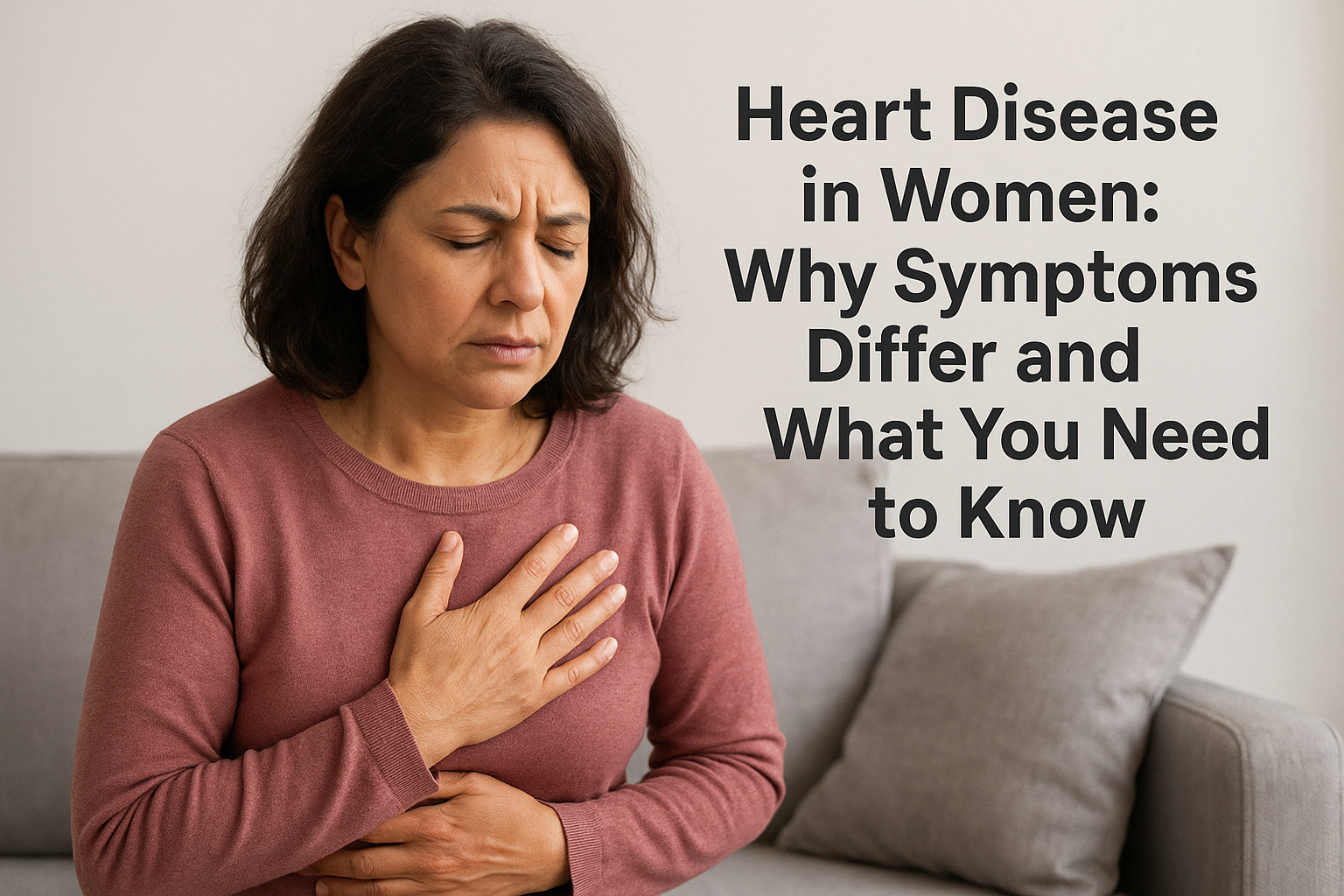
Heart disease in women often goes unnoticed because its signs differ from those in men. While chest pain is the most recognized symptom, women frequently experience subtle signals such as fatigue, nausea, or shortness of breath. Understanding these gender-specific symptoms can save lives and promote early diagnosis.
1. Why Heart Disease Affects Women Differently
Biological and hormonal factors play a major role in how heart disease develops in women. The decline of estrogen after menopause increases the risk of plaque buildup in arteries. Women also have smaller coronary vessels, making blockages harder to detect. Emotional stress and autoimmune conditions further heighten their vulnerability.
2. Common Symptoms of Heart Disease in Women
Unlike men, women may not always feel intense chest pain during a heart attack. Instead, they may notice:
-
Unexplained shortness of breath
-
Dizziness or lightheadedness
-
Fatigue or sleep disturbances
-
Pain in the jaw, neck, shoulder, or back
-
Nausea or indigestion
Recognizing these female heart attack symptoms early can prevent severe heart damage and improve recovery.
3. Major Risk Factors for Women
Certain lifestyle and medical conditions elevate the risk of cardiovascular health problems in women:
-
High blood pressure
-
Diabetes and obesity
-
Smoking and alcohol use
-
Family history of heart disease
-
Sedentary lifestyle
-
Stress and depression
Being aware of these factors helps women make informed decisions about their women’s heart care routines.
4. Preventive Measures for a Healthy Heart
Adopting preventive cardiology practices can reduce heart disease risks significantly. Some effective measures include:
-
Maintaining a balanced diet rich in fruits, vegetables, and lean proteins
-
Regular physical activity, such as brisk walking or yoga
-
Controlling blood sugar and cholesterol levels
-
Avoiding smoking and managing stress
-
Scheduling regular cardiac check-ups
Early intervention and lifestyle management can make a powerful difference in long-term heart wellness.
5. Diagnosis and Treatment Options
Advanced diagnostic tools like ECG, echocardiograms, and stress tests help detect hidden cardiovascular issues in women. Treatments may involve medication, angioplasty, or bypass surgery, depending on severity. Regular consultations with a cardiologist are essential for personalized care and monitoring.
Conclusion
Women must recognize that heart disease is not just a man’s issue—it’s the leading cause of death among women globally. Awareness and early action can save countless lives.
At KHIMS Hospitals, we provide advanced diagnostic facilities and expert care tailored for women’s cardiac health.