Asthma or Just a Cold? Know the Difference

Understanding whether you are dealing with asthma or a common cold can be confusing. Both share similar symptoms such as coughing, wheezing, and shortness of breath. However, identifying the correct condition is crucial for proper treatment.

What is Asthma?

Asthma is a chronic respiratory condition that causes airway inflammation and narrowing. This leads to difficulty breathingchest tightness, and recurring wheezing episodes. Triggers include allergens, pollution, exercise, or respiratory infections. Unlike colds, asthma requires long-term management and care.

What is a Common Cold?

cold is a temporary viral infection that affects the upper respiratory tract. Symptoms include runny nose, sore throat, mild cough, sneezing, and fatigue. Most colds resolve within 7–10 days and do not cause permanent damage to the lungs.

Key Differences Between Asthma and a Cold

Symptom Duration

  • Asthma: Ongoing, recurring, and often long-term.

  • Cold: Short-lived, usually lasting about a week.

Breathing Pattern

  • Asthma: Noticeable shortness of breath, wheezing, and chest tightness.

  • Cold: Congestion and blocked nasal passages but no persistent breathing difficulty.

Triggers

  • Asthma: Dust, smoke, pollen, and physical activity.

  • Cold: Spread through viral infection and close contact with an infected person.

Treatment Approach

  • Asthma: Requires inhalers, medications, and lifestyle management.

  • Cold: Rest, hydration, and over-the-counter remedies.

When to Seek Medical Help?

If your cough lasts more than 10 days, or you experience frequent wheezing and breathing difficulty, consult a doctor immediately. Early diagnosis prevents complications and ensures effective care.

Tips to Manage Asthma Symptoms

  • Avoid allergens like dust and smoke.

  • Use prescribed inhalers regularly.

  • Practice breathing exercises.

  • Get regular check-ups at trusted hospitals like KHIMS Hospitals.

Tips to Relieve a Common Cold

  • Drink warm fluids.

  • Rest adequately.

  • Use steam inhalation for nasal congestion.

  • Maintain hand hygiene to prevent spread.

Conclusion

Distinguishing between asthma and a cold is essential for better health. A cold may be temporary, but asthma needs long-term care and monitoring. Timely medical help makes all the difference.

For expert diagnosis and personalized treatment, visit KHIMS Hospitals today and take control of your respiratory health. 
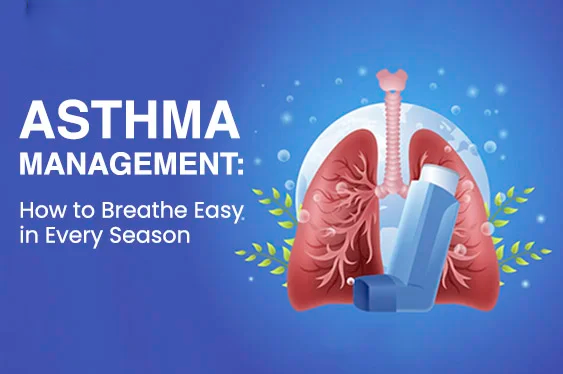
Asthma Management Tips: Breathing Easy in Every Season

Asthma Management Tips: Breathing Easy in Every Season

Living with asthma can be challenging, especially when each season brings its own triggers. From pollen-filled spring days to dry winter air, understanding how to manage asthma year-round is key to maintaining good respiratory health.

This guide provides practical, season-specific tips for managing asthma symptoms and preventing attacks. Whether you’re navigating cold weather, dust allergies, or sudden temperature changes, these strategies will help you breathe easier.

Spring Asthma Management: Dealing with Pollen Allergies

Spring is a beautiful season, but it’s a difficult time for people with allergic asthma. Pollen counts soar, leading to increased wheezing, coughing, and shortness of breath. Try staying indoors during high pollen times, keeping windows closed, and using air purifiers to reduce exposure.

Using your asthma inhaler regularly and as prescribed can also prevent seasonal flare-ups. Speak to a pulmonologist about adjusting medications before spring begins.

Summer Challenges: Coping with Heat and Humidity

Increased humidity and heat during summer can make it harder to breathe. Warm air holds more pollutants and allergens, making asthma symptoms worse. Try to avoid outdoor exercise during peak heat hours and stay hydrated.

If you experience frequent breathlessness during summer, it may be time for an asthma diagnosis review. This ensures your medication is still effective and suited to your current condition.

Fall Awareness: Managing Dust and Mold Exposure

Dust mites and mold spores increase in autumn, especially in closed indoor spaces. Clean bedding regularly, check for mold in damp areas, and vacuum often using a HEPA filter to minimize exposure.

If you’re using a nebulizer for asthma, ensure it’s clean and functioning properly. This helps avoid respiratory infections and maintains effective medication delivery.

Winter Warnings: Handling Cold Air and Infections

Cold weather often brings respiratory infections that can aggravate asthma symptoms. Wear a scarf over your nose and mouth to warm the air before it reaches your lungs and avoid outdoor activity in freezing temperatures.

Consider getting the flu vaccine for asthmatics as part of your winter protection plan. It helps prevent complications from seasonal flu, which can worsen asthma symptoms.

Lifestyle Tips for Year-Round Control

  • Maintain an asthma action plan with your doctor
  • Track your symptoms in an asthma diary
  • Use air purifiers at home
  • Avoid known triggers
  • Practice breathing exercises and stay active

Effective asthma control means staying informed, adapting to seasonal triggers, and following your treatment plan. Small changes can make a big difference in long-term respiratory health.

Stay one step ahead of seasonal asthma and live your best life – one deep breath at a time.

Visit our Khims Hospital Khammam for personalized asthma care and expert pulmonology services.