
How Your Digestive System Affects Immunity and Overall Wellness

The human body works as an interconnected system, and gut health plays a crucial role in maintaining overall wellness. Your digestive system does more than process food—it strongly influences immunity, energy levels, and long-term health. Understanding this connection helps in preventing illness and improving quality of life.

The Digestive System: More Than Digestion

The digestive tract breaks down food, absorbs nutrients, and eliminates waste. During this process, it also supports the immune system by acting as a protective barrier against harmful microorganisms. Nearly 70% of immune cells reside in the gut, making digestion central to body defense.

Gut Health and Immunity Connection

A healthy gut contains beneficial bacteria known as gut microbiome, which helps regulate immune responses. These bacteria prevent the growth of pathogens, reduce inflammation, and improve resistance to infections. Poor digestion can weaken immunity and increase disease risk.

Role of Nutrient Absorption

Efficient digestion ensures proper nutrient absorption, supplying vitamins, minerals, and antioxidants required for immune cell production. Deficiencies caused by digestive issues can result in fatigue, frequent infections, and slow recovery.

Digestive Health and Inflammation

An unhealthy gut may lead to chronic inflammation, which negatively impacts overall wellness. Inflammation can contribute to lifestyle disorders, joint pain, and reduced immunity. Balanced digestion helps maintain internal harmony.

How Lifestyle Affects Digestive Wellness

Several daily habits influence digestive performance:

  • Eating a balanced diet rich in fiber

  • Staying hydrated

  • Managing stress levels

  • Getting adequate sleep

  • Limiting processed foods

These practices promote gut balance and immune strength.

Signs Your Digestive System Needs Attention

Watch for symptoms such as bloating, irregular bowel movements, acidity, or frequent illness. These may indicate poor digestive health affecting immunity.

Supporting Digestive Health Naturally

Simple steps to support digestion include consuming probiotics, regular physical activity, and mindful eating. Medical guidance can further improve gut-related conditions and immune resilience.

When to Consult a Specialist

Persistent digestive problems may require professional evaluation. Expert care ensures accurate diagnosis and effective management to restore wellness. Visit our Khims Hospitals Khammam for comprehensive digestive and immune health support.

Conclusion

Your digestive system is a cornerstone of immunity and wellness. Maintaining digestive balance strengthens the body’s natural defenses and improves daily health.

Prioritizing gut health through proper nutrition and lifestyle choices leads to long-term vitality and disease prevention.

Top 10 Early Warning Signs of Diabetes You Should Never Ignore

Diabetes is a chronic condition that impacts millions of people worldwide. Recognizing the early warning signs is critical for timely intervention, preventing serious complications, and improving quality of life. Monitoring your body for unusual changes can save your health in the long run.

1. Frequent Urination

Frequent urination, medically called polyuria, is often one of the earliest indicators of diabetes. When blood sugar levels are high, the kidneys work overtime to filter excess glucose, leading to more urine output.

Key points to notice:
  • Waking up multiple times at night to urinate
  • Needing to urinate more often than usual during the day
  • Feeling urgency even when the bladder isn’t full

Ignoring this sign may lead to dehydration and electrolyte imbalance.

2. Excessive Thirst

Excessive thirst, also known as polydipsia, usually accompanies frequent urination. Your body loses fluids rapidly, signaling you to drink more.

Warning signals:
  • Always feeling thirsty despite drinking enough water
  • Dry mouth and cracked lips
  • Frequent need for fluids, especially water

Persistent thirst can indicate that your body is struggling to maintain proper fluid balance due to high blood sugar.

3. Unexplained Weight Loss

Sudden and unexplained weight loss is a common diabetes symptom, particularly in type 1 diabetes. When insulin is insufficient, your body cannot use glucose for energy, so it starts burning fat and muscle for fuel.

Things to watch for:
  • Losing weight without diet or exercise changes
  • Muscle weakness or fatigue
  • Clothes feeling looser than usual

Even a few kilograms lost unexpectedly should prompt a consultation with a healthcare provider.

4. Extreme Fatigue

Persistent fatigue is often overlooked but is a key diabetes warning sign. High blood sugar prevents your body from using glucose effectively, leaving you drained of energy.

Common patterns:
  • Feeling tired after minimal physical activity
  • Difficulty concentrating at work or school
  • Sleep disturbances or daytime sleepiness

Lifestyle adjustments may help, but unexplained fatigue combined with other symptoms requires medical evaluation.

5. Blurred Vision

High blood sugar can cause fluid shifts in the eyes, altering the shape of the lens and leading to blurred or distorted vision.

Indicators include:
  • Trouble focusing on objects
  • Temporary vision changes that fluctuate with sugar levels
  • Eye discomfort or headaches

Regular eye check-ups are important for early detection and prevention of diabetic eye complications.

6. Slow-Healing Wounds

Diabetes affects circulation and immunity, making it harder for cuts, scrapes, or infections to heal.

Signs to notice:
  • Small wounds taking weeks to close
  • Frequent infections around minor injuries
  • Scabs that do not heal properly

Prompt attention and proper wound care can prevent serious infections like ulcers or gangrene.

7. Frequent Infections

High blood sugar weakens the immune system, leading to recurring infections. Skin infections, urinary tract infections, and gum disease are common among diabetic patients.

Red flags:
  • Persistent yeast infections
  • Recurrent urinary tract infections
  • Swollen gums or dental issues

Early treatment and blood sugar management reduce the frequency and severity of infections.

8. Tingling or Numbness in Hands and Feet

Diabetic neuropathy affects nerves, causing tingling, numbness, or burning sensations in extremities.

Symptoms to observe:
  • Pins-and-needles sensation in fingers and toes
  • Reduced sensitivity to heat, cold, or pain
  • Foot discomfort while walking

Regular check-ups and glucose control can slow nerve damage progression.

9. Increased Hunger

Also called polyphagia, excessive hunger occurs when the body cannot use glucose for energy. Despite eating, cells remain starved, triggering constant appetite.

Indicators:
  • Feeling hungry shortly after meals
  • Cravings for sugary or high-carb foods
  • Rapid eating without feeling satisfied

Balancing diet and monitoring blood sugar can help manage this symptom effectively.

10. Darkened Skin Patches

Acanthosis nigricans is a condition where diabetes causes dark, velvety skin patches, often in folds like the neck, armpits, or groin.

What to watch:
  • Skin thickening or dark patches
  • Rough or itchy texture
  • Areas that appear suddenly

This symptom often signals insulin resistance and should not be ignored.

Conclusion

Recognizing these early warning signs of diabetes is crucial for preventing serious health issues. Timely action through lifestyle changes, testing, and medical guidance can make a significant difference.

Take control of your health—monitor your symptoms and get professional advice. Visit our KHIMS Hospital Khammam for expert care.

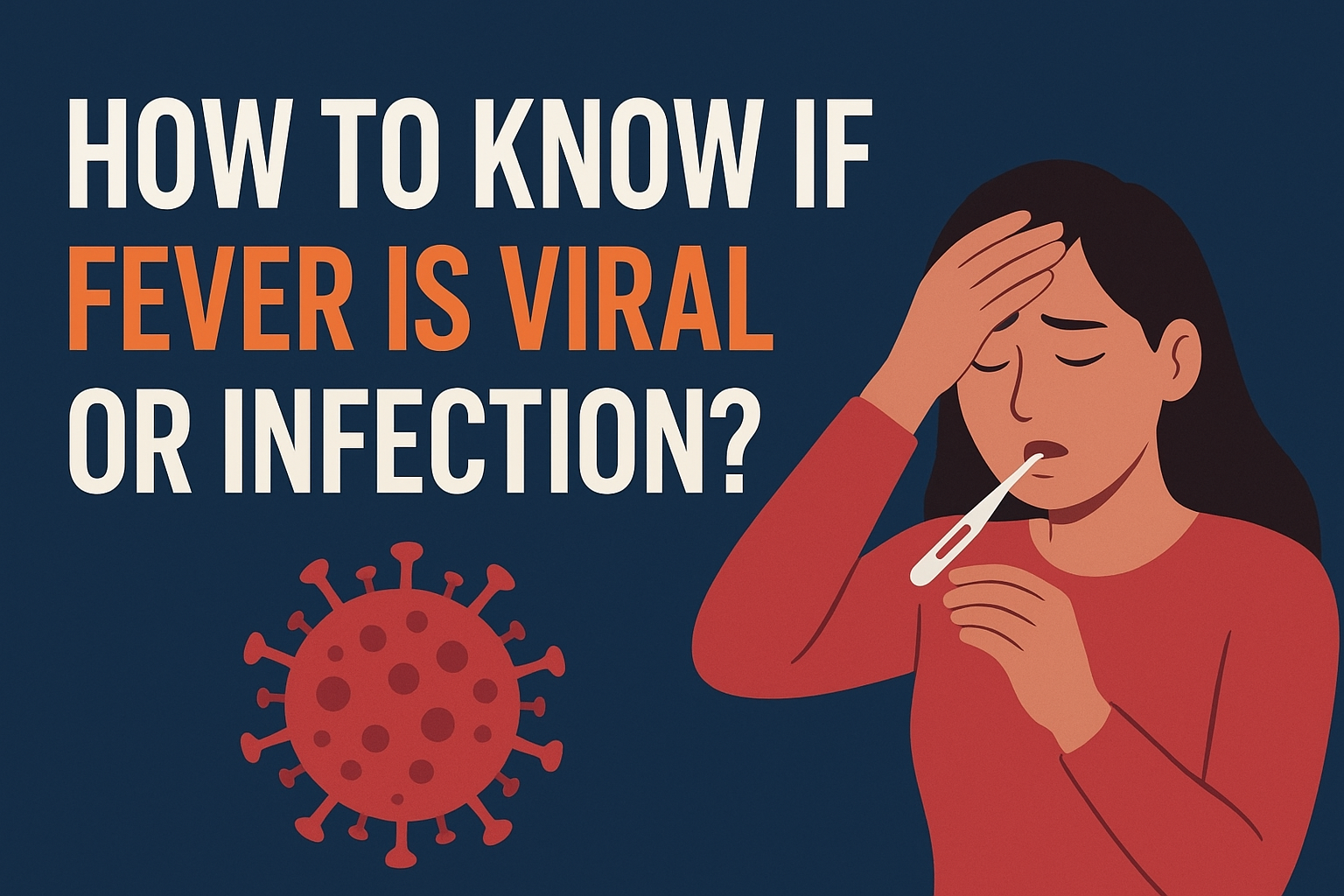
How to Know if Fever is Viral or Infection?

Fever is one of the most common health issues that affects people of all ages. While it can be caused by many conditions, identifying whether it is due to a viral fever or a bacterial infection is very important for proper treatment. Understanding the difference helps you take timely medical care and avoid complications.

What is Viral Fever?

A viral fever occurs when the body’s immune system reacts to viruses that invade the body. These fevers are usually accompanied by symptoms like sore throat, runny nose, cough, body ache, and fatigue. Viral infections often spread through air, water, or contact with infected persons.

What is Bacterial Infection Fever?

A bacterial infection fever results from harmful bacteria entering the body and multiplying rapidly. Conditions like urinary tract infection, pneumonia, or skin infection can cause high fever. In such cases, the fever is usually persistent and may require antibiotics for recovery.

Key Differences Between Viral and Bacterial Fever

  • Onset of Symptoms: Viral fever develops gradually with cold-like signs, while bacterial infection fever often comes suddenly and is more severe.
  • Duration: Viral fevers usually last 3–7 days, while bacterial fevers may persist longer without proper treatment.
  • Associated Symptoms: Viral fevers show generalized symptoms like weakness and mild cough. Bacterial fevers may present with pus, swelling, or localized pain.
  • Response to Medicine: Viral fevers improve with rest, fluids, and supportive care, whereas bacterial infections need antibiotic treatment.

When to Consult a Doctor?

If fever persists beyond 4–5 days, rises above 102°F, or is associated with symptoms like shortness of breath, chest pain, or persistent vomiting, immediate medical attention is necessary. A doctor may recommend tests like blood count, urine analysis, or chest X-ray to identify the cause.

Home Remedies and Care

For viral fever, hydration, nutritious diet, rest, and paracetamol for fever control are usually sufficient. However, self-medicating with antibiotics without a doctor’s advice can be harmful, especially if the fever is viral.

Prevention of Viral and Bacterial Fever

  • Wash hands regularly with soap and water.
  • Use masks and maintain distance during flu season.
  • Get timely vaccinations for flu and pneumonia.
  • Drink clean water and maintain hygiene.

Conclusion

Distinguishing between a viral fever and a bacterial infection fever helps in proper diagnosis and treatment. Always observe the symptoms and consult a doctor if fever is persistent or severe.

Visit our Khims Hospital Khammam for advanced diagnosis, expert doctors, and quality care for all types of fever and infections.