
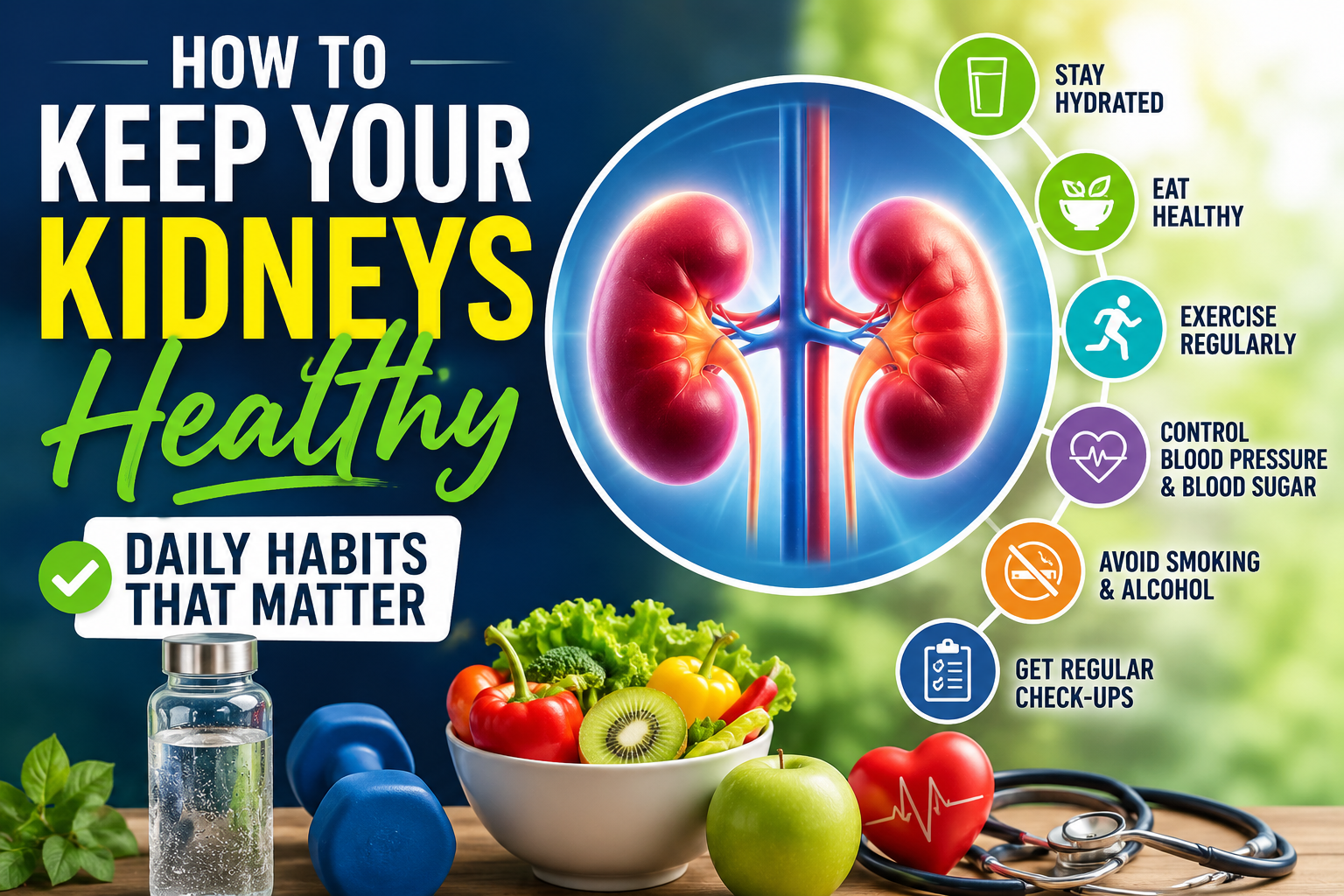
Your kidneys are among the most vital organs in your body, working tirelessly 24 hours a day to filter waste products, balance fluids, regulate blood pressure, and maintain overall health. Despite their importance, kidney health is often overlooked until a problem arises. According to health experts worldwide, millions of people live with kidney disease without realizing it because symptoms may not appear until the condition has advanced.
The good news is that many kidney-related problems can be prevented through healthy lifestyle choices. By adopting simple daily habits, you can support your kidney function and reduce your risk of developing chronic kidney disease (CKD), kidney stones, and other renal disorders.
In this blog, we’ll explore practical ways to keep your kidneys healthy and functioning optimally.
Understanding the Role of Your Kidneys
Before discussing prevention, it’s important to understand what your kidneys do.
Your kidneys:
- Filter waste and toxins from the blood
- Remove excess fluids through urine
- Help regulate blood pressure
- Balance electrolytes such as sodium and potassium
- Support red blood cell production
- Maintain healthy bone function through vitamin D activation
When kidneys become damaged, these essential functions are compromised, affecting the entire body.
1. Stay Hydrated Throughout the Day
One of the easiest ways to support kidney health is by drinking enough water.
Why Hydration Matters
Water helps your kidneys:
- Remove toxins efficiently
- Prevent kidney stone formation
- Maintain proper fluid balance
- Reduce the risk of urinary tract infections
How Much Water Should You Drink?
While needs vary by age, activity level, and climate, most adults benefit from drinking approximately 2–3 liters of water daily.
Signs You May Need More Water
- Dark-colored urine
- Dry mouth
- Fatigue
- Headaches
- Dizziness
Remember that excessive water intake may also be harmful in certain medical conditions, so consult your healthcare provider if you have kidney disease or heart problems.
2. Follow a Balanced and Kidney-Friendly Diet
Your daily food choices directly affect kidney function.
Include More:
- Fresh fruits
- Vegetables
- Whole grains
- Lean proteins
- Healthy fats
- Legumes
Limit:
- Processed foods
- Excessive salt
- Sugary beverages
- Fast food
- Highly processed snacks
A balanced diet helps reduce strain on the kidneys while supporting healthy blood pressure and blood sugar levels.
3. Reduce Salt Intake
Excess sodium is one of the biggest threats to kidney health.
How Salt Affects the Kidneys
High sodium intake can:
- Increase blood pressure
- Cause fluid retention
- Force kidneys to work harder
- Increase the risk of chronic kidney disease
Tips to Reduce Sodium
- Read food labels carefully
- Avoid packaged foods
- Use herbs and spices instead of salt
- Limit pickles, chips, and processed meats
Experts generally recommend keeping sodium intake below 2,300 mg per day.
4. Control Blood Pressure
High blood pressure is a leading cause of kidney damage worldwide.
Healthy Blood Pressure Range
For most adults, a normal blood pressure reading is below 120/80 mmHg.
Ways to Maintain Healthy Blood Pressure
- Exercise regularly
- Reduce sodium intake
- Maintain a healthy weight
- Avoid smoking
- Manage stress
- Take prescribed medications consistently
Regular blood pressure monitoring can help identify problems early.
5. Manage Blood Sugar Levels
Diabetes is one of the most common causes of chronic kidney disease.
How High Blood Sugar Damages Kidneys
Elevated glucose levels can damage the tiny blood vessels responsible for filtering waste from the blood.
Tips for Blood Sugar Control
- Follow a diabetes-friendly diet
- Monitor blood glucose regularly
- Stay physically active
- Take medications as prescribed
- Schedule regular medical checkups
Preventing diabetic kidney disease starts with good diabetes management.
6. Exercise Regularly
Physical activity benefits nearly every organ in the body, including the kidneys.
Benefits of Exercise
Regular exercise can:
- Improve circulation
- Control blood pressure
- Help manage diabetes
- Support weight management
- Reduce inflammation
Recommended Activity
Aim for at least 150 minutes of moderate-intensity exercise each week, such as:
- Walking
- Cycling
- Swimming
- Yoga
- Dancing
Even a 30-minute daily walk can make a significant difference.
7. Maintain a Healthy Weight
Being overweight increases the risk of:
- High blood pressure
- Type 2 diabetes
- Kidney disease
Healthy Weight Management Tips
- Eat nutrient-rich foods
- Exercise consistently
- Avoid crash diets
- Monitor portion sizes
- Get adequate sleep
Gradual and sustainable weight loss is healthier than rapid weight-loss programs.
8. Avoid Smoking and Tobacco Products
Smoking affects blood circulation throughout the body, including the kidneys.
Smoking Can:
- Reduce blood flow to the kidneys
- Increase blood pressure
- Accelerate kidney damage
- Increase the risk of kidney cancer
Quitting smoking provides immediate and long-term health benefits.
9. Limit Alcohol Consumption
Excessive alcohol can harm kidney function over time.
Risks of Heavy Drinking
- Dehydration
- Increased blood pressure
- Liver disease affecting kidney function
- Greater risk of chronic illnesses
Moderation is key to protecting both kidney and overall health.
10. Be Careful with Painkillers and Medications
Many people regularly use over-the-counter pain medications without realizing the potential impact on kidney health.
Medications That May Affect Kidneys
Frequent use of:
- Ibuprofen
- Naproxen
- Certain anti-inflammatory drugs
can contribute to kidney damage, especially when taken in high doses or over long periods.
Always follow medical advice and avoid self-medicating.
11. Get Regular Kidney Function Tests
Kidney disease often develops silently.
Important Screening Tests
- Serum creatinine
- Estimated Glomerular Filtration Rate (eGFR)
- Urine albumin test
- Blood pressure measurement
- Blood sugar testing
Regular screening is especially important for individuals with diabetes, hypertension, obesity, or a family history of kidney disease.
12. Get Enough Sleep
Quality sleep supports healthy kidney function and overall well-being.
Benefits of Good Sleep
- Better blood pressure control
- Improved metabolism
- Reduced inflammation
- Enhanced immune function
Warning Signs of Kidney Problems
Seek medical attention if you experience:
- Swelling in the feet, ankles, or face
- Persistent fatigue
- Blood in urine
- Frequent urination, especially at night
- Foamy urine
- Difficulty concentrating
- Unexplained nausea or loss of appetite
Early diagnosis can prevent complications and slow disease progression.