
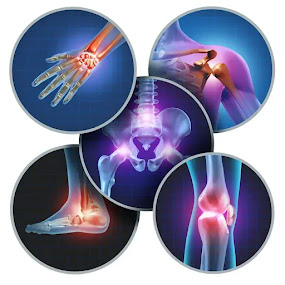
Rheumatology is the branch of internal medicine focused on diagnosing and treating disorders that affect the joints, muscles, bones, and immune system. Rheumatic diseases, often autoimmune in nature, can cause chronic pain, disability, and systemic complications if not properly managed.
Why Rheumatology Matters?
Rheumatic diseases affect 1 in 4 adults in the U.S. alone. They often go undiagnosed or misdiagnosed for years, leading to irreversible joint damage, organ dysfunction, and reduced quality of life. Prompt diagnosis and modern therapy are key to long-term well-being.
What Does a Rheumatologist Do?
Rheumatologists are medical specialists trained to identify the early signs of autoimmune and musculoskeletal disorders. They offer:
- Comprehensive evaluations of unexplained joint pain or inflammation
- Management of autoimmune and inflammatory diseases
- Advanced biologic and disease-modifying drug therapies
- Lifestyle and diet advice to reduce inflammation
- Coordination of multidisciplinary care when organs are affected
Rheumatology is a specialized field of medicine that focuses on diagnosing and treating musculoskeletal diseases and systemic autoimmune conditions. These disorders can cause pain, swelling, and stiffness in joints, muscles, and bones and often affect the immune system, leading to chronic inflammation and long-term damage.
If you’re experiencing persistent joint pain, fatigue, or stiffness, a rheumatologist might be the specialist you need.
What Conditions Do Rheumatologists Treat?
Rheumatologists handle over 100 different diseases, including:
- Rheumatoid Arthritis (RA)
- Lupus (SLE)
- Osteoarthritis
- Gout
- Ankylosing Spondylitis
- Psoriatic Arthritis
- Sjogren’s Syndrome
- Vasculitis
- Scleroderma
- Juvenile Idiopathic Arthritis
Each of these diseases presents uniquely, but many share common symptoms such as joint pain, swelling, and fatigue.
What Causes Rheumatic Diseases?
Though the exact causes are often unknown, several factors may contribute:
- Genetics: Family history can predispose individuals to conditions like RA or lupus.
- Immune System Dysregulation: Many rheumatic diseases are autoimmune in nature, where the immune system attacks healthy tissue.
- Environmental Triggers: Infections, smoking, stress, and exposure to toxins can trigger onset.
- Hormonal Factors: Some conditions, such as lupus, are more prevalent in women due to hormonal influences.
Common Symptoms of Rheumatic Diseases?
Not all patients experience symptoms in the same way, but some typical signs include:
- Chronic joint pain
- Morning stiffness lasting over 30 minutes
- Swollen joints
- Fatigue
- Unexplained fevers
- Weight loss
- Rashes or skin discoloration
- Dry eyes or mouth (especially in Sjogren’s syndrome)
How Are Rheumatic Diseases Diagnosed?
Diagnosing rheumatic conditions can be complex. Rheumatologists use a combination of:
- Medical History and Physical Exam
- Blood Tests:
- Rheumatoid Factor (RF)
- Anti-CCP antibodies
- ANA (Antinuclear Antibody)
- ESR and CRP (markers of inflammation)
- Imaging:
- X-rays, MRI, or ultrasound to detect joint damage and inflammation
Early diagnosis is crucial to prevent irreversible joint or organ damage.
Modern Treatments in Rheumatology
Rheumatology has made remarkable advances in recent years. Today’s treatments aim to reduce inflammation, control symptoms, and improve quality of life.
1. Medications
- NSAIDs: Relieve pain and inflammation.
- Corticosteroids: Powerful but used cautiously due to long-term side effects.
- DMARDs (Disease-Modifying Anti-Rheumatic Drugs):
- Methotrexate, Hydroxychloroquine
- Biologics:
- TNF inhibitors (e.g., Enbrel, Humira)
- IL-6 blockers (e.g., Actemra)
- B-cell therapy (e.g., Rituximab)
- JAK Inhibitors:
- Target cell signaling pathways (e.g., Xeljanz)
2. Physical Therapy
Enhances joint function and reduces stiffness through guided exercises.
3. Surgery
Reserved for severe joint damage — includes joint replacements or tendon repairs.
Common Rheumatic Diseases
Rheumatologists treat over 100 unique conditions. Below are the most prevalent:
1. Rheumatoid Arthritis (RA)
- Autoimmune disease where the immune system attacks joint linings
- Leads to chronic inflammation, joint deformity, and fatigue
- Common symptoms: swollen joints, stiffness (especially in the morning), fatigue
2. Osteoarthritis (OA)
- Degenerative joint disease from cartilage breakdown
- Common in older adults, especially knees, hips, and spine
- Unlike RA, it’s not autoimmune but wear-and-tear related
3. Lupus (SLE)
- Systemic autoimmune disorder affecting skin, joints, kidneys, brain, and heart
- Presents with butterfly rash, photosensitivity, joint pain, and fatigue
4. Ankylosing Spondylitis (AS)
- Inflammatory arthritis primarily affecting the spine
- Leads to stiffness, pain, and eventual spinal fusion
5. Psoriatic Arthritis
- Occurs in people with psoriasis
- Can affect joints asymmetrically and cause nail changes
6. Gout
- Caused by uric acid buildup
- Sudden, severe pain in one joint (commonly big toe)
- Triggered by diet, alcohol, certain meds
7. Sjögren’s Syndrome
- Targets moisture-producing glands
- Leads to dry eyes, dry mouth, fatigue, joint pain
FAQs About Rheumatology
Is arthritis the same as rheumatism?
No. “Rheumatism” is a general term for conditions causing chronic, often autoimmune-related pain, while “arthritis” specifically refers to joint inflammation.
Are rheumatic diseases curable?
Most are not curable but are manageable with modern medications and healthy habits.
Can children get rheumatic diseases?
Yes. Conditions like Juvenile Idiopathic Arthritis affect children under 16.
Conclusion
Rheumatology is a vital field focused on diagnosing and treating diseases that affect joints, muscles, and connective tissues. Early diagnosis and intervention, combined with healthy lifestyle habits and personalized treatment plans, can significantly improve outcomes and quality of life.
If you suspect you or a loved one may have a rheumatic condition, don’t wait. Talk to a rheumatologist today and take control of your health.