
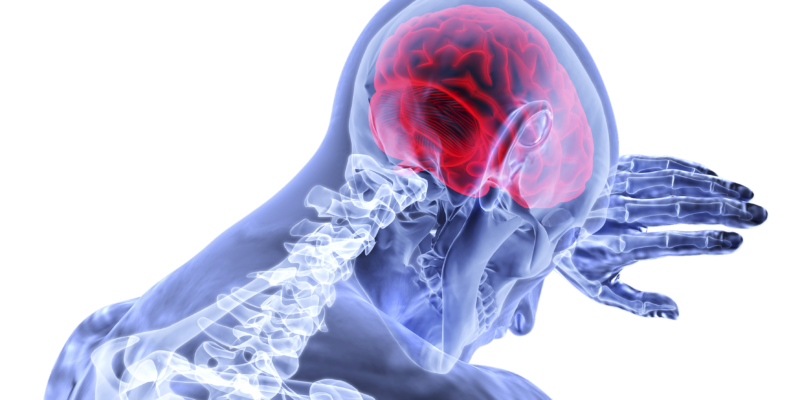
Neurology Explained: Understanding the Brain, Spine, and Nerves
Neurology is the branch of medicine that focuses on the nervous system — the brain, spinal cord, and nerves that control every thought, movement, and function in our bodies. From the way we breathe to how we process emotions, the nervous system plays a central role in keeping us alive and functioning. In this blog, we’ll break down the basics of neurology, explore common neurological conditions, and highlight why neurological health is so important.
The Brain: Command Center of the Body
The brain is the body’s control hub. It regulates vital functions like heartbeat, breathing, movement, emotions, memory, and decision-making.
Cerebrum: Controls thinking, language, movement, and senses.
Cerebellum: Coordinates balance and movement.
Brainstem: Manages automatic functions like breathing and heartbeat.
The Spine: The Highway of Communication
The spinal cord is a bundle of nerves running through the spine. It acts like a communication highway, carrying messages between the brain and the rest of the body. Any injury or disease in the spinal cord can disrupt movement, sensation, and even vital body functions.
The Nerves: Messengers of the Body
Nerves branch out from the spinal cord and brain to every part of the body. They carry signals for movement, sensation, and reflexes. Peripheral nerve problems, like neuropathy, can cause pain, tingling, or weakness.
Common Neurological Disorders:
The nervous system is the body’s communication network, controlling movement, senses, memory, and vital functions. When it’s disrupted, neurological disorders can affect every aspect of life — from simple daily tasks to long-term independence. Understanding the most common neurological disorders helps in early detection, timely treatment, and better outcomes.
1. Stroke
A stroke occurs when blood flow to the brain is blocked or reduced, depriving brain tissue of oxygen.
Symptoms: Sudden weakness, numbness (often one-sided), speech difficulty, vision loss, dizziness.
Treatment: Emergency medical care, clot-busting drugs, rehabilitation.
2. Epilepsy
A chronic disorder marked by recurrent seizures caused by abnormal electrical activity in the brain.
Symptoms: Seizures, loss of consciousness, unusual sensations, confusion.
Treatment: Anti-seizure medications, lifestyle management, in some cases surgery.
3. Parkinson’s Disease
A progressive neurological condition that affects movement and coordination due to loss of dopamine-producing brain cells.
Symptoms: Tremors, stiffness, slow movement, balance issues.
Treatment: Medications, physical therapy, deep brain stimulation.
4. Alzheimer’s Disease and Dementia
Neurodegenerative conditions causing progressive memory loss and cognitive decline.
Symptoms: Forgetfulness, confusion, difficulty with daily tasks, personality changes.
Treatment: Medications to slow progression, cognitive therapy, supportive care.
5. Multiple Sclerosis (MS)
An autoimmune condition where the immune system attacks the protective covering of nerves.
Symptoms: Fatigue, vision problems, numbness, muscle weakness, coordination issues.
Treatment: Disease-modifying drugs, physical therapy, symptom management.
6. Migraines
Severe, recurring headaches often linked to changes in brain activity and blood flow.
Symptoms: Intense head pain, nausea, sensitivity to light and sound, aura (flashes or vision changes).
Treatment: Medications, lifestyle adjustments, stress management.
7. Neuropathy
Nerve damage that disrupts signals between the brain, spine, and body — often linked to diabetes.
Symptoms: Tingling, burning pain, numbness, weakness (especially in hands and feet).
Treatment: Managing underlying conditions, pain relief, physical therapy.
Symptoms That May Indicate a Neurological Problem
The nervous system controls everything from movement and sensation to memory and speech. When something goes wrong in the brain, spinal cord, or nerves, the signs can often be subtle at first. Recognizing symptoms early is crucial for diagnosis and effective treatment. Here are some common warning signs that may indicate an underlying neurological problem.
1. Persistent or Severe Headaches
Occasional headaches are common, but frequent, severe, or unusual headaches may point to conditions like migraines, aneurysms, or even tumors.
2. Sudden Weakness or Numbness
Weakness, tingling, or numbness—especially on one side of the body—can signal a stroke or nerve damage.
3. Vision Problems
Blurred vision, double vision, or sudden loss of vision may indicate issues such as multiple sclerosis, stroke, or optic nerve problems.
4. Loss of Balance or Coordination
Difficulty walking, frequent falls, or dizziness may result from disorders affecting the cerebellum, inner ear, or peripheral nerves.
5. Seizures
Seizures, including convulsions or episodes of staring spells, may be linked to epilepsy or other neurological disorders.
6. Memory Loss or Confusion
Frequent forgetfulness, trouble concentrating, or confusion may be early signs of Alzheimer’s disease, dementia, or other brain disorders.
7. Speech or Language Problems
Slurred speech, trouble finding words, or difficulty understanding others may indicate a stroke or other neurological condition.
8. Tremors or Involuntary Movements
Uncontrollable shaking, twitching, or repetitive movements can point to Parkinson’s disease or other movement disorders.
Protecting Your Neurological Health
Maintain a balanced diet rich in brain-boosting nutrients.
Exercise regularly to support blood flow and nerve function.
Prioritize sleep for brain recovery.
Manage stress through relaxation techniques.
Avoid smoking and excessive alcohol.
Get regular checkups, especially if you have risk factors like high blood pressure or diabetes.
Conclusion
The brain, spine, and nerves form the foundation of our body’s communication system. Neurology helps us understand, diagnose, and treat problems that arise in this complex network. By caring for our neurological health and seeking timely help when symptoms arise, we can protect not only our physical abilities but also our quality of life.
When seeking top-tier Neurosurgical care in Khammam, Khims Hospital stands out as the premier choice. With a team of highly skilled neurosurgeons, the hospital offers advanced treatment options for a wide range of neurological conditions.