Top 10 Early Warning Signs of Diabetes You Should Never Ignore

Diabetes is a chronic condition that impacts millions of people worldwide. Recognizing the early warning signs is critical for timely intervention, preventing serious complications, and improving quality of life. Monitoring your body for unusual changes can save your health in the long run.

1. Frequent Urination

Frequent urination, medically called polyuria, is often one of the earliest indicators of diabetes. When blood sugar levels are high, the kidneys work overtime to filter excess glucose, leading to more urine output.

Key points to notice:
  • Waking up multiple times at night to urinate
  • Needing to urinate more often than usual during the day
  • Feeling urgency even when the bladder isn’t full

Ignoring this sign may lead to dehydration and electrolyte imbalance.

2. Excessive Thirst

Excessive thirst, also known as polydipsia, usually accompanies frequent urination. Your body loses fluids rapidly, signaling you to drink more.

Warning signals:
  • Always feeling thirsty despite drinking enough water
  • Dry mouth and cracked lips
  • Frequent need for fluids, especially water

Persistent thirst can indicate that your body is struggling to maintain proper fluid balance due to high blood sugar.

3. Unexplained Weight Loss

Sudden and unexplained weight loss is a common diabetes symptom, particularly in type 1 diabetes. When insulin is insufficient, your body cannot use glucose for energy, so it starts burning fat and muscle for fuel.

Things to watch for:
  • Losing weight without diet or exercise changes
  • Muscle weakness or fatigue
  • Clothes feeling looser than usual

Even a few kilograms lost unexpectedly should prompt a consultation with a healthcare provider.

4. Extreme Fatigue

Persistent fatigue is often overlooked but is a key diabetes warning sign. High blood sugar prevents your body from using glucose effectively, leaving you drained of energy.

Common patterns:
  • Feeling tired after minimal physical activity
  • Difficulty concentrating at work or school
  • Sleep disturbances or daytime sleepiness

Lifestyle adjustments may help, but unexplained fatigue combined with other symptoms requires medical evaluation.

5. Blurred Vision

High blood sugar can cause fluid shifts in the eyes, altering the shape of the lens and leading to blurred or distorted vision.

Indicators include:
  • Trouble focusing on objects
  • Temporary vision changes that fluctuate with sugar levels
  • Eye discomfort or headaches

Regular eye check-ups are important for early detection and prevention of diabetic eye complications.

6. Slow-Healing Wounds

Diabetes affects circulation and immunity, making it harder for cuts, scrapes, or infections to heal.

Signs to notice:
  • Small wounds taking weeks to close
  • Frequent infections around minor injuries
  • Scabs that do not heal properly

Prompt attention and proper wound care can prevent serious infections like ulcers or gangrene.

7. Frequent Infections

High blood sugar weakens the immune system, leading to recurring infections. Skin infections, urinary tract infections, and gum disease are common among diabetic patients.

Red flags:
  • Persistent yeast infections
  • Recurrent urinary tract infections
  • Swollen gums or dental issues

Early treatment and blood sugar management reduce the frequency and severity of infections.

8. Tingling or Numbness in Hands and Feet

Diabetic neuropathy affects nerves, causing tingling, numbness, or burning sensations in extremities.

Symptoms to observe:
  • Pins-and-needles sensation in fingers and toes
  • Reduced sensitivity to heat, cold, or pain
  • Foot discomfort while walking

Regular check-ups and glucose control can slow nerve damage progression.

9. Increased Hunger

Also called polyphagia, excessive hunger occurs when the body cannot use glucose for energy. Despite eating, cells remain starved, triggering constant appetite.

Indicators:
  • Feeling hungry shortly after meals
  • Cravings for sugary or high-carb foods
  • Rapid eating without feeling satisfied

Balancing diet and monitoring blood sugar can help manage this symptom effectively.

10. Darkened Skin Patches

Acanthosis nigricans is a condition where diabetes causes dark, velvety skin patches, often in folds like the neck, armpits, or groin.

What to watch:
  • Skin thickening or dark patches
  • Rough or itchy texture
  • Areas that appear suddenly

This symptom often signals insulin resistance and should not be ignored.

Conclusion

Recognizing these early warning signs of diabetes is crucial for preventing serious health issues. Timely action through lifestyle changes, testing, and medical guidance can make a significant difference.

Take control of your health—monitor your symptoms and get professional advice. Visit our KHIMS Hospital Khammam for expert care.

Everyday Habits That Can Damage Your Knees Without You Realizing

Everyday Habits That Can Damage Your Knees Without You Realizing

Your knees are among the most hardworking joints in your body. They carry your weight, absorb shock, and allow you to move freely. Yet, many people unknowingly strain their knees through small daily habits. Over time, these habits can lead to pain, stiffness, or even long-term joint problems. Let’s explore some common everyday behaviors that could be harming your knees—without you even realizing it.

1. Sitting for Too Long

Spending hours seated, whether at work or while watching TV, weakens the muscles around your knees. Weak muscles provide less support, increasing the risk of pain and stiffness when you finally get up.

Tip: Take short breaks to stand, stretch, or walk every 30–40 minutes.

2. Carrying Excess Weight

Even a small amount of extra body weight puts additional stress on the knees. For every pound of body weight, your knees absorb nearly four pounds of pressure during movement.

Tip: Maintain a healthy weight through balanced nutrition and regular exercise to ease knee stress.

3. Wearing Unsupportive Footwear

High heels, flip-flops, and worn-out shoes alter your walking pattern, which can misalign your knees and cause joint strain.

Tip: Choose well-cushioned, supportive shoes, especially if you walk or stand for long periods.

4. Ignoring Posture While Standing

Locking your knees or shifting weight to one leg for long periods places uneven pressure on the joints.

Tip: Stand tall, keep knees slightly bent, and distribute weight evenly between both legs.

5. Skipping Warm-Ups and Stretches

Jumping straight into exercise without warming up can shock your joints and increase injury risk. Tight muscles around the knees also limit movement and cause strain.

Tip: Always stretch and warm up before workouts, focusing on hamstrings, calves, and quadriceps.

6. Overdoing High-Impact Activities

Running on hard surfaces or doing repetitive jumping exercises can wear down cartilage over time.

Tip: Mix high-impact workouts with low-impact activities like swimming, cycling, or yoga to give your knees a break.

7. Ignoring Knee Pain

Brushing off early signs of discomfort or pain can allow minor issues to progress into serious conditions like arthritis or ligament injuries.

Tip: Pay attention to your knees. If pain persists, consult a doctor before it worsens.

Conclusion

Healthy knees are essential for mobility and independence, but small habits can silently cause damage. By making simple lifestyle changes—like using supportive footwear, keeping active, and listening to your body—you can protect your knees and keep them strong for years to come.

At KHIMS Hospital, we understand how important healthy knees are for living an active, pain-free life. Everyday habits may seem harmless, but over time, they can quietly damage your joints and limit mobility.

Asthma or Just a Cold? Know the Difference

Understanding whether you are dealing with asthma or a common cold can be confusing. Both share similar symptoms such as coughing, wheezing, and shortness of breath. However, identifying the correct condition is crucial for proper treatment.

What is Asthma?

Asthma is a chronic respiratory condition that causes airway inflammation and narrowing. This leads to difficulty breathingchest tightness, and recurring wheezing episodes. Triggers include allergens, pollution, exercise, or respiratory infections. Unlike colds, asthma requires long-term management and care.

What is a Common Cold?

cold is a temporary viral infection that affects the upper respiratory tract. Symptoms include runny nose, sore throat, mild cough, sneezing, and fatigue. Most colds resolve within 7–10 days and do not cause permanent damage to the lungs.

Key Differences Between Asthma and a Cold

Symptom Duration

  • Asthma: Ongoing, recurring, and often long-term.

  • Cold: Short-lived, usually lasting about a week.

Breathing Pattern

  • Asthma: Noticeable shortness of breath, wheezing, and chest tightness.

  • Cold: Congestion and blocked nasal passages but no persistent breathing difficulty.

Triggers

  • Asthma: Dust, smoke, pollen, and physical activity.

  • Cold: Spread through viral infection and close contact with an infected person.

Treatment Approach

  • Asthma: Requires inhalers, medications, and lifestyle management.

  • Cold: Rest, hydration, and over-the-counter remedies.

When to Seek Medical Help?

If your cough lasts more than 10 days, or you experience frequent wheezing and breathing difficulty, consult a doctor immediately. Early diagnosis prevents complications and ensures effective care.

Tips to Manage Asthma Symptoms

  • Avoid allergens like dust and smoke.

  • Use prescribed inhalers regularly.

  • Practice breathing exercises.

  • Get regular check-ups at trusted hospitals like KHIMS Hospitals.

Tips to Relieve a Common Cold

  • Drink warm fluids.

  • Rest adequately.

  • Use steam inhalation for nasal congestion.

  • Maintain hand hygiene to prevent spread.

Conclusion

Distinguishing between asthma and a cold is essential for better health. A cold may be temporary, but asthma needs long-term care and monitoring. Timely medical help makes all the difference.

For expert diagnosis and personalized treatment, visit KHIMS Hospitals today and take control of your respiratory health. 

10 Early Warning Signs of Heart Disease You Shouldn’t Ignore

Heart disease remains one of the leading causes of death worldwide, and early detection is critical for prevention and timely treatment. Recognizing the symptoms at the right time can save lives. This blog highlights 10 early warning signs of heart disease that everyone should know.

1. Chest Pain or Discomfort

One of the most common symptoms of heart disease is chest pain or discomfort. It may feel like pressure, squeezing, or fullness in the chest, often during activity or stress.

2. Shortness of Breath

Difficulty breathing even with minimal effort could be an early warning sign. Shortness of breath may occur due to reduced oxygen supply caused by blocked arteries.

3. Fatigue

Unexplained and persistent fatigue can signal an underlying heart problem. When the heart struggles to pump blood effectively, the body feels unusually tired.

4. Irregular Heartbeat

A racing or irregular heartbeat, also called arrhythmia, may indicate heart disease. If palpitations occur frequently, it’s essential to seek medical advice.

5. Swelling in Legs, Ankles, or Feet

Fluid buildup in the lower extremities, known as edema, is another warning sign. It happens when the heart cannot pump blood efficiently.

6. Persistent Cough

A long-lasting cough, especially with pink or white mucus, may be linked to heart failure. This occurs due to fluid accumulation in the lungs.

7. Dizziness or Lightheadedness

Feeling faint or dizzy could be related to reduced blood flow to the brain caused by heart disease. Sudden blackouts should never be ignored.

8. Sweating Without Cause

Breaking into a cold sweat without exertion can indicate an oncoming heart attack. This symptom must be taken seriously.

9. Indigestion or Nausea

Frequent nausea, indigestion, or stomach pain may mimic digestive issues but can also point toward heart disease, especially in women.

10. Pain in Arms, Neck, or Jaw

Discomfort spreading to the arms, back, neck, or jaw is another classic heart attack symptom. Recognizing it early can save lives.

Conclusion

Early recognition of these warning signs can help prevent severe complications. KHIMS Hospitals located at Khammam offers expert care and advanced treatments for heart disease.

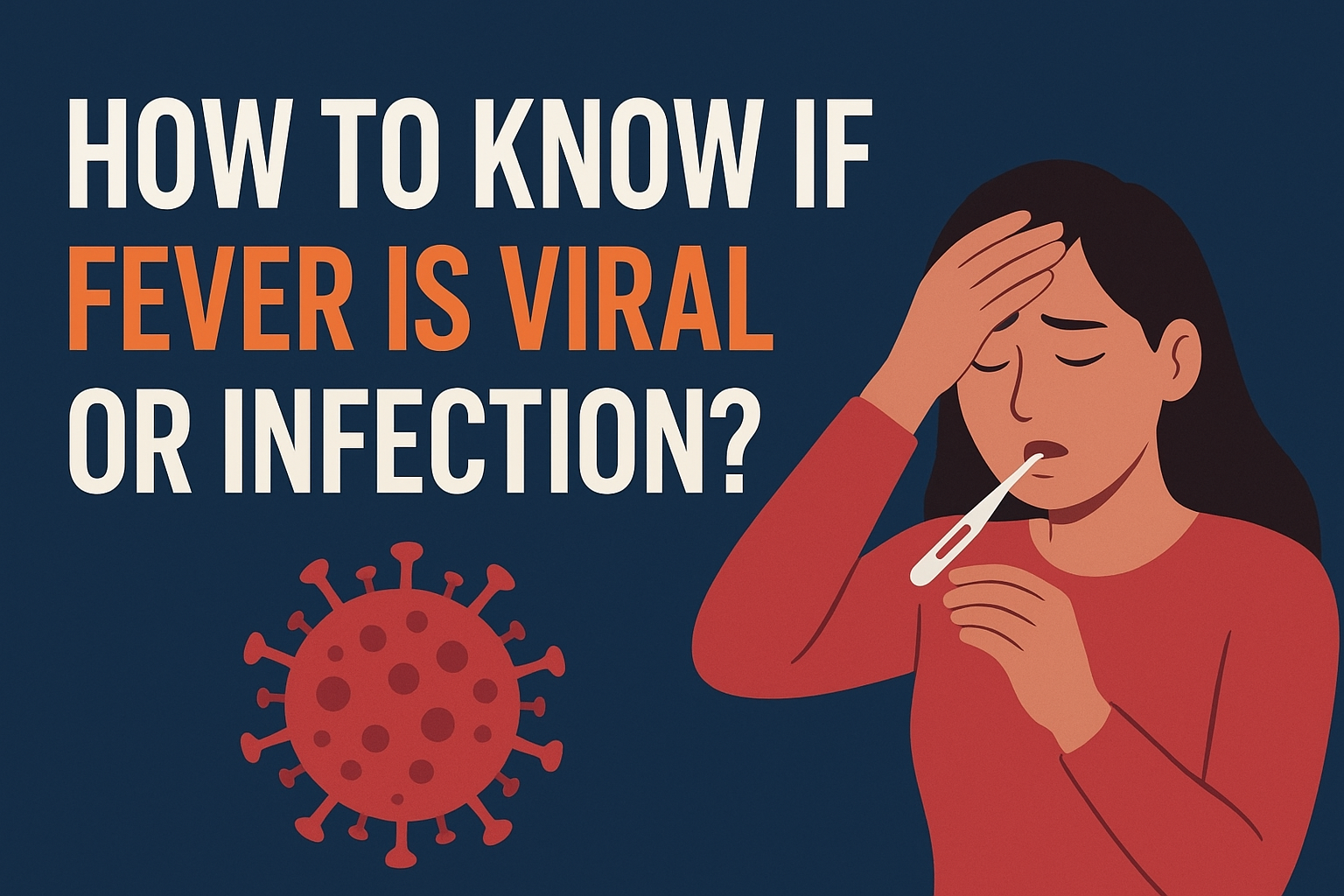
How to Know if Fever is Viral or Infection?

Fever is one of the most common health issues that affects people of all ages. While it can be caused by many conditions, identifying whether it is due to a viral fever or a bacterial infection is very important for proper treatment. Understanding the difference helps you take timely medical care and avoid complications.

What is Viral Fever?

A viral fever occurs when the body’s immune system reacts to viruses that invade the body. These fevers are usually accompanied by symptoms like sore throat, runny nose, cough, body ache, and fatigue. Viral infections often spread through air, water, or contact with infected persons.

What is Bacterial Infection Fever?

A bacterial infection fever results from harmful bacteria entering the body and multiplying rapidly. Conditions like urinary tract infection, pneumonia, or skin infection can cause high fever. In such cases, the fever is usually persistent and may require antibiotics for recovery.

Key Differences Between Viral and Bacterial Fever

  • Onset of Symptoms: Viral fever develops gradually with cold-like signs, while bacterial infection fever often comes suddenly and is more severe.
  • Duration: Viral fevers usually last 3–7 days, while bacterial fevers may persist longer without proper treatment.
  • Associated Symptoms: Viral fevers show generalized symptoms like weakness and mild cough. Bacterial fevers may present with pus, swelling, or localized pain.
  • Response to Medicine: Viral fevers improve with rest, fluids, and supportive care, whereas bacterial infections need antibiotic treatment.

When to Consult a Doctor?

If fever persists beyond 4–5 days, rises above 102°F, or is associated with symptoms like shortness of breath, chest pain, or persistent vomiting, immediate medical attention is necessary. A doctor may recommend tests like blood count, urine analysis, or chest X-ray to identify the cause.

Home Remedies and Care

For viral fever, hydration, nutritious diet, rest, and paracetamol for fever control are usually sufficient. However, self-medicating with antibiotics without a doctor’s advice can be harmful, especially if the fever is viral.

Prevention of Viral and Bacterial Fever

  • Wash hands regularly with soap and water.
  • Use masks and maintain distance during flu season.
  • Get timely vaccinations for flu and pneumonia.
  • Drink clean water and maintain hygiene.

Conclusion

Distinguishing between a viral fever and a bacterial infection fever helps in proper diagnosis and treatment. Always observe the symptoms and consult a doctor if fever is persistent or severe.

Visit our Khims Hospital Khammam for advanced diagnosis, expert doctors, and quality care for all types of fever and infections.

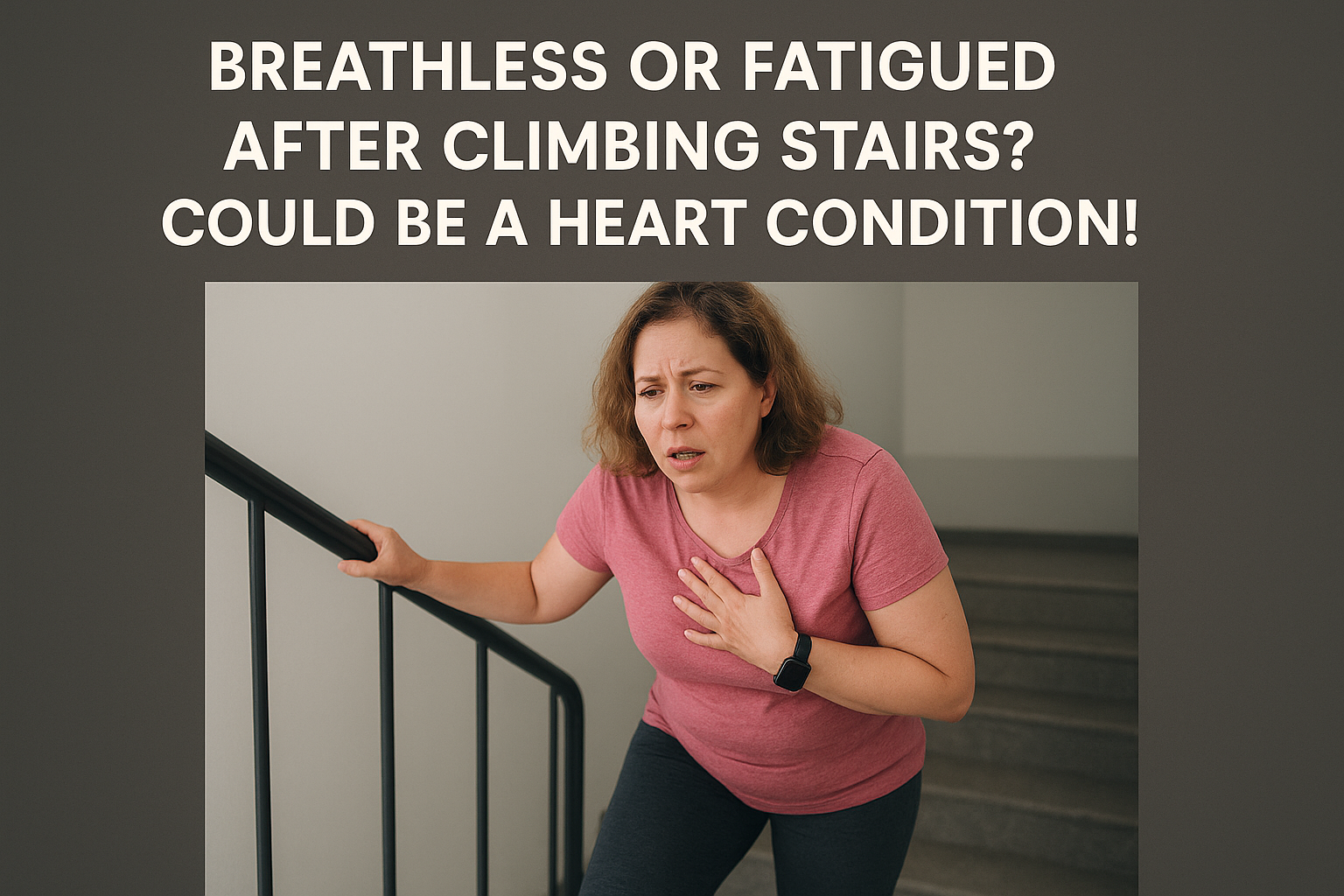
Breathless or Fatigued After Climbing Stairs? Could Be a Heart Condition!

Climbing stairs is a simple daily task, but if you feel breathless or experience fatigue after a few steps, it may be more than just being out of shape. Often, these symptoms can signal an underlying heart condition that requires timely medical attention.

Why Does Breathlessness Happen?

Shortness of breath during exertion occurs when your heart health is compromised. The heart struggles to pump oxygen-rich blood, forcing your lungs and muscles to work harder. This can make even climbing a single flight of stairs seem exhausting.

Fatigue After Climbing Stairs: More Than Tiredness

Persistent tiredness after minor activities may indicate early cardiac disease. If you notice extreme weakness, chest heaviness, or rapid heartbeat, it is advisable to seek cardiology care for proper evaluation.

Common Causes of Staircase Breathlessness

  • Hypertension: High blood pressure strains the heart.
  • Coronary artery disease: Blocked arteries reduce blood supply.
  • Congestive heart failure: Heart muscles weaken, lowering efficiency.
  • Anemia: Low hemoglobin levels decrease oxygen delivery.

When to See a Cardiologist

If you feel palpitations, dizziness, or chest pain along with breathlessness, consult a cardiologist in Khammam immediately. Early diagnosis can prevent serious complications such as heart attack or stroke.

Diagnostic Tests for Heart-Related Breathlessness

Doctors may suggest:

  • ECG to check electrical activity of the heart
  • Echocardiogram to assess pumping efficiency
  • Stress test to monitor response during exertion
  • Blood tests to detect anemia or thyroid problems

Lifestyle Tips for a Healthy Heart

  • Maintain a balanced diet rich in fruits, vegetables, and whole grains
  • Engage in regular exercise like brisk walking or yoga
  • Quit smoking and reduce alcohol intake
  • Manage cholesterol and diabetes through routine checkups

Treatment Options Available

Depending on the diagnosis, treatments may include medications to control blood pressure, procedures to open blocked arteries, or advanced therapies for heart failure. Following your doctor’s advice is essential for long-term recovery.

Conclusion

Feeling breathless or fatigued after climbing stairs should never be ignored. It may be an early indicator of a heart problem. Timely tests and consultation with a heart specialist can save lives.

Don’t dismiss your symptoms. Prioritize your cardiac health and seek expert medical care whenever unusual tiredness or breathlessness occurs.

Visit our Khims Hospital Khammam for trusted heart care and advanced treatment.

Gastrology Explained: Understanding Digestive Health and Disorders

Digestive health plays a vital role in our overall well-being. The digestive system is responsible for breaking down food, absorbing nutrients, and eliminating waste. When something goes wrong in this system, it can lead to discomfort, chronic illness, or even life-threatening conditions. This is where gastrology, the study and care of stomach and digestive disorders, becomes essential.

What is Gastrology?

Gastrology focuses on diagnosing, managing, and treating conditions of the digestive tract, including the stomach, intestines, liver, pancreas, and gallbladder. Gastrologists (or more commonly gastroenterologists) use specialized tools and tests to detect problems and recommend effective treatment plans.

Why Digestive Health Matters:

A healthy digestive system ensures the body gets essential nutrients for energy, immunity, and growth. Poor digestive health can lead to malnutrition, fatigue, or serious diseases. Common issues like acid reflux, constipation, or bloating may seem minor but often signal underlying problems.

Common Digestive Disorders:

A healthy digestive system is vital for energy, immunity, and overall well-being. However, millions of people experience digestive problems that interfere with daily life. Some conditions are mild and temporary, while others require long-term management or medical care. In this article, we’ll explore the most common digestive disorders, their symptoms, and when to seek help.

1. Acid Reflux and GERD

Acid reflux occurs when stomach acid flows back into the esophagus, causing heartburn and discomfort. When this happens frequently, it is called Gastroesophageal Reflux Disease (GERD).
Symptoms: Heartburn, sour taste, chest pain, difficulty swallowing.
Management: Dietary changes, avoiding late-night meals, medications, and in severe cases, surgery.

2. Gastritis

Gastritis is inflammation of the stomach lining, often caused by infection, alcohol, medications, or stress.
Symptoms: Stomach pain, nausea, bloating, indigestion.
Treatment: Antacids, antibiotics (if infection-related), and lifestyle modifications.

3. Peptic Ulcers

Peptic ulcers are open sores that develop in the stomach or small intestine lining.
Symptoms: Burning stomach pain, bloating, nausea, loss of appetite.
Causes: Helicobacter pylori infection, excessive NSAID use, or stress.
Treatment: Medications to reduce acid, antibiotics, and lifestyle changes.

4. Irritable Bowel Syndrome (IBS)

IBS is a functional disorder affecting the large intestine. While not life-threatening, it can significantly impact quality of life.
Symptoms: Abdominal cramps, bloating, constipation, diarrhea, or both.
Management: Dietary adjustments (low FODMAP diet), stress reduction, and prescribed medications.

5. Inflammatory Bowel Disease (IBD)

IBD refers to chronic conditions such as Crohn’s disease and ulcerative colitis that cause inflammation in the digestive tract.
Symptoms: Severe diarrhea, abdominal pain, fatigue, weight loss, blood in stool.
Treatment: Anti-inflammatory drugs, immunosuppressants, dietary therapy, or surgery.

6. Gallstones

Gallstones are hardened deposits in the gallbladder that may block bile flow.
Symptoms: Sudden intense abdominal pain, nausea, vomiting, indigestion.
Treatment: Medications to dissolve stones or surgical removal of the gallbladder.

7. Constipation and Diarrhea

Both are common digestive complaints that can be occasional or chronic.

  • Constipation: Difficulty passing stool, infrequent bowel movements.

  • Diarrhea: Frequent loose stools, sometimes with cramping.
    Causes: Poor diet, dehydration, infections, medications, or underlying conditions.

Symptoms You Shouldn’t Ignore:

Our bodies are constantly sending signals about our health. While some symptoms are minor and temporary, others may point to more serious underlying conditions. Ignoring these warning signs can delay treatment and worsen health outcomes. Here are some key symptoms you should never ignore and what they may indicate.

1. Persistent Digestive Issues

  • Chronic heartburn, bloating, constipation, or diarrhea may signal digestive disorders like GERD, IBS, or ulcers.

  • Blood in stool or black stools can indicate bleeding in the digestive tract and should be assessed immediately.

2. Unexplained Weight Loss

  • Losing weight without changes in diet or exercise may point to conditions such as thyroid disorders, diabetes, digestive diseases, or even cancer.

3. Severe or Sudden Headaches

  • Occasional headaches are common, but sudden, intense headaches (the “worst headache of your life”) may be linked to migraines, high blood pressure, or even a neurological emergency.

4. Chest Pain or Shortness of Breath

  • Chest discomfort, heaviness, or breathlessness could indicate heart disease, acid reflux, or lung problems. Seek emergency care if these symptoms are sudden or severe.

5. Persistent Fatigue

  • Feeling constantly tired despite adequate rest could signal anemia, thyroid problems, diabetes, sleep disorders, or mental health conditions.

6. Changes in Skin or Moles

  • New or changing moles, unusual rashes, or yellowing of the skin (jaundice) may indicate skin cancer, liver disease, or other underlying illnesses.

7. Difficulty Swallowing or Persistent Hoarseness

  • Trouble swallowing or ongoing throat irritation can point to digestive issues, infections, or even early signs of throat or esophageal cancer.

8. Frequent Urination or Excessive Thirst

  • These symptoms may suggest diabetes, urinary tract infections, or kidney problems.

Treatment Options:

Treatment depends on the disorder but may include:

  • Lifestyle changes – diet, exercise, stress management.

  • Medications – acid reducers, antibiotics, anti-inflammatory drugs.

  • Minimally invasive procedures – such as polyp removal during colonoscopy.

  • Surgery – for severe cases like advanced ulcers, tumors, or gallstones.

Keeping Your Digestive System Healthy:

Prevention is always better than cure. You can protect your digestive health by:

  • Eating a fiber-rich, balanced diet.

  • Staying hydrated and exercising regularly.

  • Limiting alcohol, caffeine, and processed foods.

  • Avoiding smoking.

  • Managing stress effectively.

  • Scheduling regular check-ups with a gastrology specialist.

Conclusion:

Gastrology is the key to understanding and managing digestive health. From everyday discomforts like indigestion to serious conditions such as IBD or ulcers, a gastrologist can provide expert guidance and treatment. By paying attention to symptoms, adopting a healthy lifestyle, and seeking timely care, you can protect your digestive system and improve your quality of life.

For comprehensive and effective treatment of Gastrology, trust Khims Hospital to provide the best Gastrologycare in Khammam, ensuring your Gastric is in the most capable hands.

Neurology Explained: Understanding the Brain, Spine, and Nerves

Neurology Explained: Understanding the Brain, Spine, and Nerves

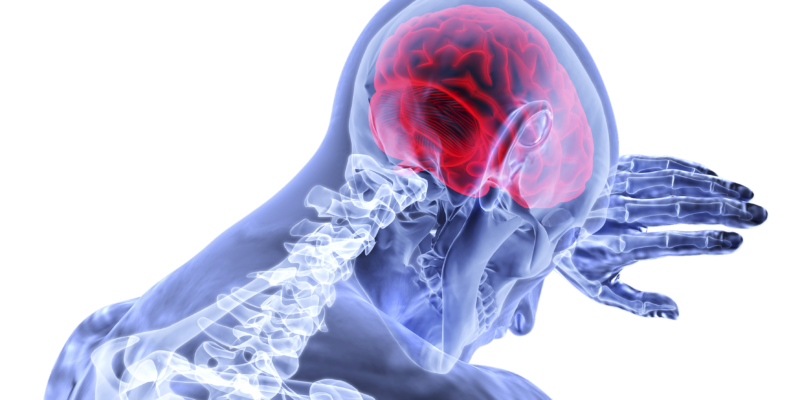
Neurology is the branch of medicine that focuses on the nervous system — the brain, spinal cord, and nerves that control every thought, movement, and function in our bodies. From the way we breathe to how we process emotions, the nervous system plays a central role in keeping us alive and functioning. In this blog, we’ll break down the basics of neurology, explore common neurological conditions, and highlight why neurological health is so important.

The Brain: Command Center of the Body

The brain is the body’s control hub. It regulates vital functions like heartbeat, breathing, movement, emotions, memory, and decision-making.

  • Cerebrum: Controls thinking, language, movement, and senses.

  • Cerebellum: Coordinates balance and movement.

  • Brainstem: Manages automatic functions like breathing and heartbeat.

The Spine: The Highway of Communication

The spinal cord is a bundle of nerves running through the spine. It acts like a communication highway, carrying messages between the brain and the rest of the body. Any injury or disease in the spinal cord can disrupt movement, sensation, and even vital body functions.

The Nerves: Messengers of the Body

Nerves branch out from the spinal cord and brain to every part of the body. They carry signals for movement, sensation, and reflexes. Peripheral nerve problems, like neuropathy, can cause pain, tingling, or weakness.

Common Neurological Disorders:

The nervous system is the body’s communication network, controlling movement, senses, memory, and vital functions. When it’s disrupted, neurological disorders can affect every aspect of life — from simple daily tasks to long-term independence. Understanding the most common neurological disorders helps in early detection, timely treatment, and better outcomes.

1. Stroke

A stroke occurs when blood flow to the brain is blocked or reduced, depriving brain tissue of oxygen.
Symptoms: Sudden weakness, numbness (often one-sided), speech difficulty, vision loss, dizziness.
Treatment: Emergency medical care, clot-busting drugs, rehabilitation.

2. Epilepsy

A chronic disorder marked by recurrent seizures caused by abnormal electrical activity in the brain.
Symptoms: Seizures, loss of consciousness, unusual sensations, confusion.
Treatment: Anti-seizure medications, lifestyle management, in some cases surgery.

3. Parkinson’s Disease

A progressive neurological condition that affects movement and coordination due to loss of dopamine-producing brain cells.
Symptoms: Tremors, stiffness, slow movement, balance issues.
Treatment: Medications, physical therapy, deep brain stimulation.

4. Alzheimer’s Disease and Dementia

Neurodegenerative conditions causing progressive memory loss and cognitive decline.
Symptoms: Forgetfulness, confusion, difficulty with daily tasks, personality changes.
Treatment: Medications to slow progression, cognitive therapy, supportive care.

5. Multiple Sclerosis (MS)

An autoimmune condition where the immune system attacks the protective covering of nerves.
Symptoms: Fatigue, vision problems, numbness, muscle weakness, coordination issues.
Treatment: Disease-modifying drugs, physical therapy, symptom management.

6. Migraines

Severe, recurring headaches often linked to changes in brain activity and blood flow.
Symptoms: Intense head pain, nausea, sensitivity to light and sound, aura (flashes or vision changes).
Treatment: Medications, lifestyle adjustments, stress management.

7. Neuropathy

Nerve damage that disrupts signals between the brain, spine, and body — often linked to diabetes.
Symptoms: Tingling, burning pain, numbness, weakness (especially in hands and feet).
Treatment: Managing underlying conditions, pain relief, physical therapy.

Symptoms That May Indicate a Neurological Problem

The nervous system controls everything from movement and sensation to memory and speech. When something goes wrong in the brain, spinal cord, or nerves, the signs can often be subtle at first. Recognizing symptoms early is crucial for diagnosis and effective treatment. Here are some common warning signs that may indicate an underlying neurological problem.

1. Persistent or Severe Headaches

Occasional headaches are common, but frequent, severe, or unusual headaches may point to conditions like migraines, aneurysms, or even tumors.

2. Sudden Weakness or Numbness

Weakness, tingling, or numbness—especially on one side of the body—can signal a stroke or nerve damage.

3. Vision Problems

Blurred vision, double vision, or sudden loss of vision may indicate issues such as multiple sclerosis, stroke, or optic nerve problems.

4. Loss of Balance or Coordination

Difficulty walking, frequent falls, or dizziness may result from disorders affecting the cerebellum, inner ear, or peripheral nerves.

5. Seizures

Seizures, including convulsions or episodes of staring spells, may be linked to epilepsy or other neurological disorders.

6. Memory Loss or Confusion

Frequent forgetfulness, trouble concentrating, or confusion may be early signs of Alzheimer’s disease, dementia, or other brain disorders.

7. Speech or Language Problems

Slurred speech, trouble finding words, or difficulty understanding others may indicate a stroke or other neurological condition.

8. Tremors or Involuntary Movements

Uncontrollable shaking, twitching, or repetitive movements can point to Parkinson’s disease or other movement disorders.

Protecting Your Neurological Health

  • Maintain a balanced diet rich in brain-boosting nutrients.

  • Exercise regularly to support blood flow and nerve function.

  • Prioritize sleep for brain recovery.

  • Manage stress through relaxation techniques.

  • Avoid smoking and excessive alcohol.

  • Get regular checkups, especially if you have risk factors like high blood pressure or diabetes.

Conclusion

The brain, spine, and nerves form the foundation of our body’s communication system. Neurology helps us understand, diagnose, and treat problems that arise in this complex network. By caring for our neurological health and seeking timely help when symptoms arise, we can protect not only our physical abilities but also our quality of life.

When seeking top-tier Neurosurgical care in Khammam, Khims Hospital stands out as the premier choice. With a team of highly skilled neurosurgeons, the hospital offers advanced treatment options for a wide range of neurological conditions.